
Hormone-harmonizing tea can help balance your endocrine system naturally by using seasonal ingredients. You'll blend adaptogens like ashwagandha with targeted herbs such as chasteberry, adjusting the recipe for each season. Spring might feature dandelion and nettle, while fall incorporates warming spices like cinnamon and ginger. To craft your tea, start with a base of stress-reducing herbs, add specific hormone-supporting ingredients, and include liver-supporting elements. Brew one teaspoon of your mixture per cup, steeping for 5-10 minutes. Drink daily for ideal benefits, and pair with stress-reduction techniques for enhanced results. Discover how to create your perfect blend and reveal the secrets to hormonal harmony.
Understanding Hormonal Imbalance
Three key factors contribute to hormonal imbalance: stress, poor diet, and environmental toxins. When you're constantly under stress, your body produces excess cortisol, disrupting the delicate balance of other hormones.
A poor diet lacking essential nutrients can interfere with hormone production and metabolism. Environmental toxins, such as endocrine disruptors found in plastics and pesticides, can mimic hormones and throw your system off balance.
You might experience symptoms like fatigue, weight gain, mood swings, and irregular menstrual cycles when your hormones are out of whack. It's vital to recognize these signs and take action to restore balance.
Hormonal imbalances can affect various systems in your body, including your reproductive, metabolic, and thyroid functions.
To address hormonal imbalances, you'll need a holistic approach. This includes managing stress through relaxation techniques, adopting a nutrient-dense diet rich in whole foods, and minimizing exposure to environmental toxins.
Regular exercise, quality sleep, and targeted supplementation can also play essential roles in rebalancing your hormones. By understanding the causes and symptoms of hormonal imbalance, you're better equipped to take proactive steps towards achieving hormonal harmony.
Benefits of Herbal Tea
Herbal teas offer a natural and delicious way to support hormonal balance. They're packed with beneficial compounds that can help regulate your endocrine system and alleviate symptoms of hormonal imbalance. Many herbs contain phytoestrogens, which mimic the effects of estrogen in your body, potentially easing menopausal symptoms and menstrual discomfort.
Certain herbal teas can boost your metabolism, aiding in weight management and reducing cortisol levels. This stress-busting effect is essential for maintaining hormonal equilibrium. Adaptogens like ashwagandha and holy basil, often found in herbal blends, help your body adapt to stress and normalize hormone production.
You'll also find that some teas possess anti-inflammatory properties, which can reduce inflammation-related hormonal issues. Antioxidants in herbal teas combat free radicals, supporting overall endocrine health.
Additionally, many herbs have a gentle diuretic effect, helping to flush out excess hormones and toxins from your system.
Selecting Seasonal Ingredients
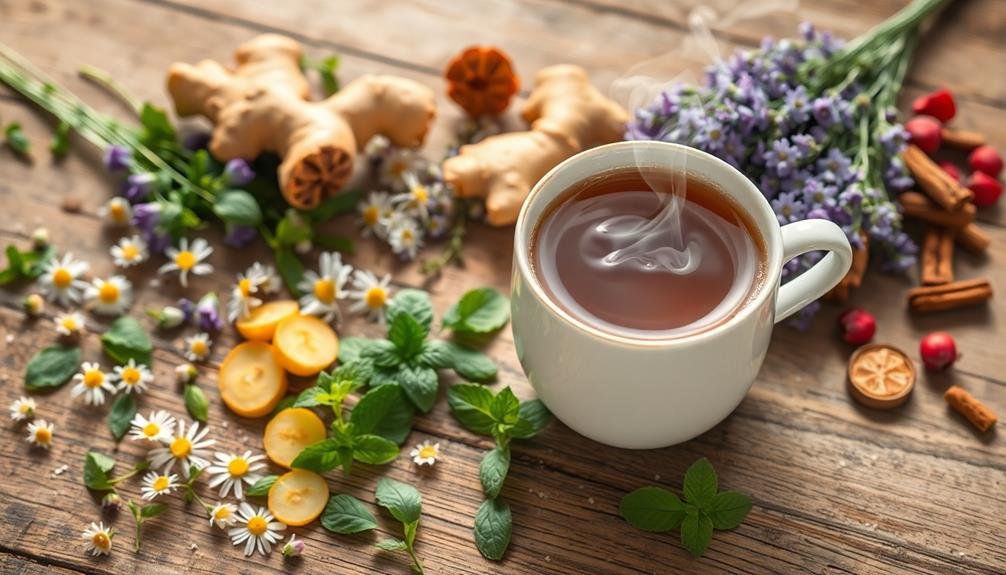
When crafting your hormone-harmonizing tea, choosing seasonal ingredients can enhance its potency and flavor. By selecting herbs and plants that are naturally abundant during specific times of the year, you'll guarantee maximum freshness and nutrient density in your brew.
Reflect on these seasonal options for your hormone-balancing tea:
| Season | Ingredients |
|---|---|
| Spring | Dandelion, Nettle, Lemon Balm, Mint |
| Summer | Rose Petals, Chamomile, Lavender, Hibiscus |
| Fall | Cinnamon, Ginger, Turmeric, Ashwagandha |
| Winter | Licorice Root, Holy Basil, Rosehips, Elderberry |
| Year-round | Green Tea, Raspberry Leaf, Fennel, Dong Quai |
As you select your ingredients, remember that each herb offers unique benefits for hormonal balance. For example, raspberry leaf supports reproductive health, while ashwagandha helps manage stress hormones. Combine these seasonal ingredients with your favorite base tea, such as green or rooibos, for a personalized blend.
Don't forget to take into account your specific hormonal needs when choosing ingredients. If you're dealing with menopause symptoms, opt for cooling herbs like mint in summer. For PMS relief, try calming chamomile in spring or warming cinnamon in fall.
Key Hormone-Balancing Herbs
While many herbs can support hormonal balance, certain key players stand out for their potent effects. You'll want to incorporate these powerhouse ingredients into your hormone-harmonizing tea blend for maximum benefits.
Chasteberry, also known as vitex, is renowned for its ability to regulate menstrual cycles and alleviate PMS symptoms. It's particularly effective in balancing progesterone levels.
Maca root, an adaptogenic herb from Peru, can help boost energy, libido, and overall hormonal equilibrium. It's especially beneficial for supporting adrenal function and reducing stress-related hormonal imbalances.
Don't overlook the importance of ashwagandha, an Ayurvedic herb that's been used for centuries to promote endocrine health. It's known to help reduce cortisol levels and support thyroid function.
When selecting these herbs, opt for organic, high-quality sources to guarantee you're getting the most potent and pure ingredients for your tea blend.
- Feel empowered as you take control of your hormonal health
- Experience the transformative effects of nature's pharmacy
- Embrace the ancient wisdom of herbal medicine in your daily ritual
Crafting Your Tea Blend
Creating your own hormone-harmonizing tea blend is both an art and a science. You'll need to take into account the specific herbs that target your hormonal concerns and their flavor profiles. Start with a base of adaptogenic herbs like ashwagandha or holy basil, which help your body manage stress and balance hormones overall.
Next, add herbs that address your particular needs. For example, if you're dealing with menstrual issues, include chasteberry or red raspberry leaf. For menopausal symptoms, try black cohosh or dong quai.
Don't forget to incorporate herbs that support liver function, such as dandelion root or milk thistle, as the liver plays a vital role in hormone metabolism.
Evaluate the taste of your blend by adding flavorful herbs like peppermint, lemon balm, or ginger. These not only improve the tea's palatability but also offer additional health benefits. Experiment with different ratios to find a blend that's both effective and enjoyable.
When crafting your tea, use one teaspoon of your herb mixture per cup of hot water. Steep for 5-10 minutes, strain, and enjoy.
Remember to consult with a healthcare professional before incorporating new herbs into your routine, especially if you're pregnant, nursing, or taking medications.
Proper Brewing Techniques
To brew your hormone-harmonizing tea effectively, you'll need to master the proper techniques.
Pay close attention to the steeping time and temperature for each ingredient, as these factors can greatly impact the tea's potency and flavor.
You'll also want to carefully measure and balance the ratios of your ingredients to achieve the desired therapeutic effects.
Steeping Time and Temperature
Mastering the art of steeping is essential for releasing the full potential of your hormone-harmonizing tea. The right temperature and steeping time can make all the difference in extracting the beneficial compounds that support hormonal balance.
For most herbal teas, you'll want to use water that's just off the boil, around 200°F (93°C). This temperature helps extract the maximum amount of nutrients without damaging delicate herbs.
As for steeping time, aim for 5-7 minutes to allow the herbs to fully infuse the water. Steeping too briefly won't extract enough of the beneficial compounds, while steeping too long can result in a bitter taste. Set a timer to guarantee consistency in your brewing process.
Remember, the goal is to create a tea that's not only effective but also enjoyable to drink. Pay attention to these details, and you'll be rewarded with a cup of tea that's:
- Aromatic, filling your senses with calming herbal notes
- Flavorful, dancing on your taste buds with each sip
- Potent, delivering a powerful dose of hormone-balancing compounds
Ingredient Ratios and Measurements
Precision in measurement forms the backbone of a perfectly balanced hormone-harmonizing tea. To achieve ideal results, you'll need to carefully measure each ingredient. For a standard 8-ounce cup, use 1 teaspoon of dried herbs or 1 tablespoon of fresh herbs per ingredient. If you're making a larger batch, simply scale up the measurements proportionally.
Start with a base of 1 teaspoon of chamomile flowers, known for their calming effects. Add 1 teaspoon each of nettle leaf and red raspberry leaf, both rich in nutrients that support hormonal balance. Include 1/2 teaspoon of licorice root for its adaptogenic properties, but be cautious not to overuse as it can affect blood pressure.
For a touch of flavor and additional benefits, add 1/4 teaspoon of cinnamon bark.
When combining ingredients, it's essential to maintain a balanced ratio. Don't be tempted to add extra of your favorite herb, as this can alter the tea's effectiveness. If you're using fresh herbs, remember to triple the measurements to account for their higher water content.
Customizing for Individual Needs
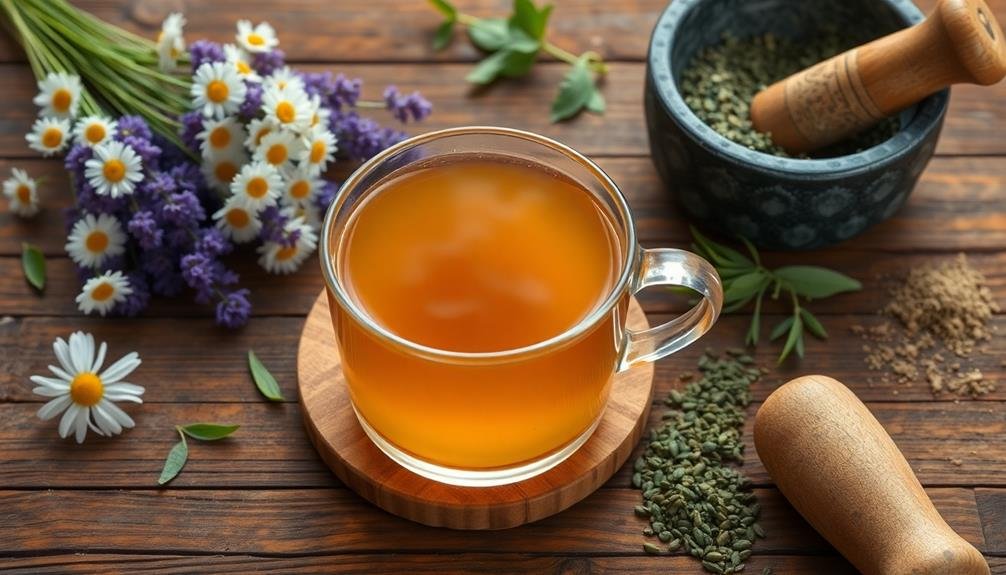
Every individual's hormonal needs are unique, making customization of hormone-harmonizing tea recipes essential. You'll need to take into account your specific health concerns, lifestyle, and any existing hormonal imbalances when adapting the recipe.
If you're dealing with estrogen dominance, for example, you might want to increase the amount of chasteberry or add some ground flaxseed to your blend. For those struggling with cortisol imbalances, think about incorporating more adaptogenic herbs like ashwagandha or holy basil.
Don't hesitate to consult with a healthcare professional or herbalist to tailor your tea blend effectively. They can help you identify which herbs will best support your hormonal health and suggest appropriate dosages.
Remember that hormonal balance is a delicate process, and what works for one person may not work for another.
- Embrace the power to take control of your hormonal health
- Feel the harmony within as you sip your personalized blend
- Envision a balanced, vibrant version of yourself with each cup
As you experiment with different combinations, pay close attention to how your body responds. Keep a journal to track any changes in your mood, energy levels, or physical symptoms.
This will help you fine-tune your recipe over time, ensuring you're getting the most benefit from your hormone-harmonizing tea.
Seasonal Variations
As the seasons change, so can your hormone-harmonizing tea recipes.
You'll find Spring's Hormone-Boosting Blend invigorating, while Summer's Cooling Tea Recipe offers a revitalizing twist.
For the colder months, Fall/Winter Warming Tea Infusions provide comforting support for your hormonal balance.
Spring's Hormone-Boosting Blend
Welcoming the renewal of spring, this hormone-boosting blend harnesses the season's fresh ingredients to support your body's natural balance. As winter fades, your hormones may need a gentle nudge to realign with nature's rhythms.
This tea combines herbs known for their hormone-balancing properties with spring's bounty of fresh, tender leaves.
Start your day with a cup of this invigorating blend. Steep a mixture of nettle leaves, dandelion greens, and lemon balm for 5-7 minutes. These herbs are rich in vitamins and minerals that support endocrine function. Add a splash of fresh lemon juice and a teaspoon of raw honey to enhance flavor and absorption.
For an extra boost, consider these additions:
- A pinch of bee pollen for its amino acids and enzymes
- A few fresh mint leaves to aid digestion and uplift mood
- A slice of ginger root to stimulate circulation and reduce inflammation
Drink this tea daily throughout spring to support your hormonal health. You'll notice improved energy levels, clearer skin, and a more balanced mood as your body aligns with the season's vibrant energy.
Summer's Cooling Tea Recipe
With the heat of summer bearing down on us, it's time to switch up your hormone-balancing tea blend. This cooling recipe will help you maintain hormonal equilibrium while keeping you invigorated during the hottest months.
Start with a base of hibiscus flowers, known for their cooling properties and ability to support healthy estrogen levels. Add a handful of fresh peppermint leaves, which can help reduce excess androgens and soothe digestive issues.
Include a teaspoon of dried lemon balm to promote relaxation and reduce cortisol levels. For an extra hormone-balancing boost, toss in a few dried raspberry leaves. They're rich in vitamins and minerals that support female reproductive health.
Finally, add a pinch of licorice root to help regulate cortisol and support adrenal function.
To prepare, steep these ingredients in hot water for 5-7 minutes, then strain and chill. Serve over ice for an invigorating and hormone-harmonizing summer beverage.
Drink this tea daily to help combat heat-induced stress and maintain hormonal balance. Remember to consult with your healthcare provider before incorporating new herbs into your routine, especially if you have existing health conditions or are taking medications.
Fall/Winter Warming Tea Infusions
The crisp air and falling leaves of autumn usher in the need for warming, comforting teas to support your hormonal balance. As the days grow shorter and colder, your body craves nourishment that'll keep you feeling cozy and balanced.
Fall and winter tea infusions can help regulate your hormones, boost immunity, and provide comfort during the chilly months.
Create a warming blend using cinnamon, ginger, and cloves. These spices not only add a delicious flavor but also have anti-inflammatory properties that can help balance your hormones.
Add a pinch of black pepper to enhance absorption and circulation. For an extra hormone-harmonizing boost, include adaptogenic herbs like ashwagandha or maca root.
To make your tea, steep the ingredients in hot water for 5-10 minutes. Strain and enjoy with a dollop of honey for added sweetness and immune support. Remember to listen to your body and adjust the ingredients as needed.
- Feel the warmth spreading through your body with each sip
- Embrace the comforting aroma that fills your home
- Nourish your soul as you nurture your hormonal health
Storage and Shelf Life
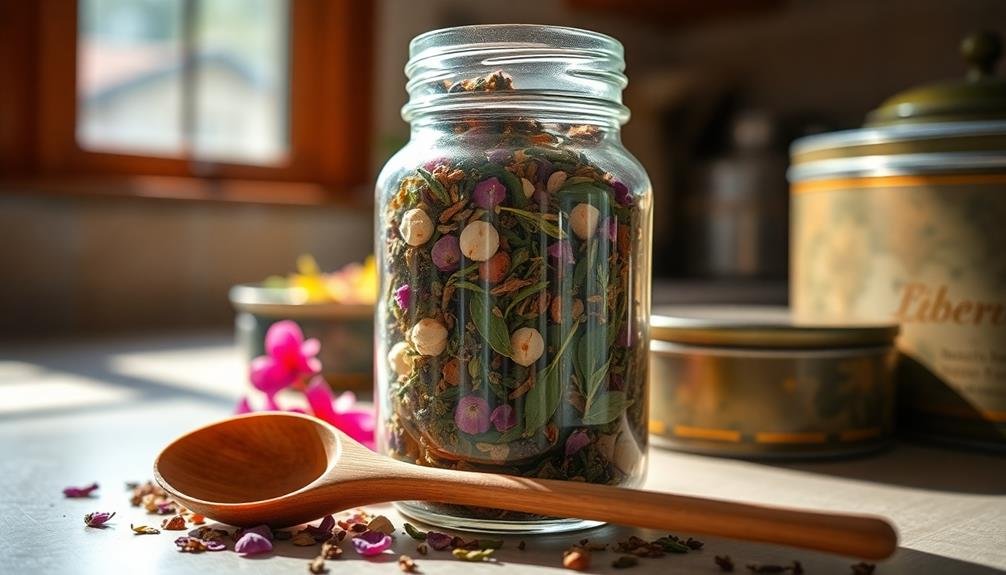
Properly stored, your hormone-harmonizing tea blend can last for several months. To maximize its shelf life, keep the dried herbs in an airtight container away from light, heat, and moisture. A dark glass jar or tin canister works well for this purpose.
Store the container in a cool, dry place like a pantry or cupboard. Label your tea blend with the date you mixed it and aim to use it within 6-12 months for ideal potency. Over time, the herbs may lose some of their flavor and therapeutic properties.
If you notice any changes in color, smell, or taste, it's best to discard the blend and make a fresh batch.
For pre-brewed tea, refrigerate it in a sealed glass container and consume within 3-5 days. Don't leave brewed tea at room temperature for more than 8 hours, as it can develop harmful bacteria.
If you've added honey or other sweeteners to your brewed tea, its shelf life may be shorter. Always check for signs of spoilage before drinking stored tea. When in doubt, it's safer to brew a fresh cup.
Incorporating Into Daily Routine
Consistency is key when incorporating your hormone-harmonizing tea into your daily routine. Aim to drink it at the same time each day, preferably in the morning or early afternoon. This allows your body to establish a rhythm and maximize the tea's benefits. Start with one cup daily and gradually increase to two or three if desired.
Remember, it's not just about drinking the tea; it's about creating a mindful ritual that supports your overall well-being.
Consider pairing your tea-drinking habit with other self-care practices, such as meditation, journaling, or gentle stretching. This can enhance the tea's effects and create a more holistic approach to hormone balance.
If you're struggling to remember, set a daily reminder on your phone or leave the tea ingredients visible in your kitchen as a visual cue.
To stay motivated and committed to your new routine, reflect on these emotional benefits:
- Feeling more in tune with your body's natural rhythms
- Experiencing a sense of calm and balance throughout the day
- Empowering yourself to take control of your hormonal health
Potential Side Effects
While hormone-harmonizing tea offers numerous benefits, it's essential to be aware of potential side effects. You might experience digestive issues like bloating or nausea, especially if you're new to herbal teas. Some ingredients can interact with medications, so consult your doctor if you're on any prescriptions. Allergic reactions are rare but possible, so watch for symptoms like itching or swelling.
Be mindful of caffeine content in certain herbs, which may cause jitters or sleep disturbances. Pregnant or breastfeeding women should exercise caution, as some herbs can affect hormone levels. It's also important to note that everyone's body reacts differently, so start with small amounts and monitor your response.
Here's a quick reference guide for common side effects:
| Side Effect | Possible Causes | Precautions |
|---|---|---|
| Digestive Issues | New herbs, sensitivities | Start with small doses |
| Medication Interactions | Certain herbs | Consult your doctor |
| Allergic Reactions | Individual sensitivities | Stop use if symptoms occur |
| Caffeine Sensitivity | Caffeinated herbs | Limit intake, especially before bed |
Complementary Lifestyle Practices
To maximize the benefits of your hormone-harmonizing tea, you'll want to incorporate complementary lifestyle practices.
Consider adding stress-reducing meditation techniques to your daily routine, as they can greatly impact hormonal balance.
You can also explore hormone-supporting exercise routines and implement sleep optimization strategies to further enhance your overall hormonal health.
Stress-Reducing Meditation Techniques
Incorporating stress-reducing meditation techniques into your daily routine can considerably enhance the hormone-balancing effects of your tea regimen. These practices help lower cortisol levels, which can disrupt hormonal balance when chronically elevated.
Start with simple, guided meditations for just 5-10 minutes a day, gradually increasing the duration as you become more comfortable.
One effective technique is mindfulness meditation, where you focus on your breath and observe your thoughts without judgment. This practice can help reduce anxiety and promote emotional regulation.
Another powerful method is loving-kindness meditation, which involves directing positive thoughts and well-wishes towards yourself and others, fostering a sense of connection and compassion.
To make meditation a consistent habit, try these tips:
- Set a specific time each day for your practice
- Create a peaceful meditation space in your home
- Use a meditation app or guided audio for structure and motivation
Hormone-Supporting Exercise Routines
Exercise plays a key role in supporting hormonal balance alongside your tea regimen and meditation practice. To maximize hormone-supporting benefits, incorporate a mix of cardio, strength training, and flexibility exercises into your routine.
Start with moderate-intensity cardio exercises like brisk walking, cycling, or swimming for 30 minutes, 3-5 times a week. These activities help regulate cortisol levels and boost endorphins, promoting overall hormonal equilibrium.
Add strength training exercises 2-3 times weekly to build lean muscle mass and enhance insulin sensitivity. Focus on compound movements like squats, deadlifts, and push-ups to stimulate growth hormone production.
Don't forget about flexibility exercises. Yoga and Pilates can help reduce stress, improve circulation, and support thyroid function. Aim for 1-2 sessions per week, focusing on poses that target the endocrine glands.
High-Intensity Interval Training (HIIT) can be particularly effective for hormone balance. Incorporate short bursts of intense activity followed by brief rest periods to boost testosterone and human growth hormone levels.
Remember to listen to your body and adjust your exercise routine as needed. Overtraining can disrupt hormonal balance, so prioritize rest and recovery between workouts.
Sleep Optimization Strategies
Quality sleep is the cornerstone of hormonal balance and overall health. To optimize your sleep and support hormone regulation, establish a consistent sleep schedule. Aim to go to bed and wake up at the same time every day, even on weekends. This helps regulate your body's internal clock, making it easier to fall asleep and wake up naturally.
Create a relaxing bedtime routine to signal your body it's time to wind down. Dim the lights, avoid screens for at least an hour before bed, and engage in calming activities like reading or gentle stretching. Keep your bedroom cool, dark, and quiet to promote better sleep quality.
Consider these emotion-evoking sleep optimization strategies:
- Imagine drifting off to sleep in a cozy, tranquil sanctuary
- Picture waking up refreshed, energized, and ready to conquer the day
- Envision your body healing and rejuvenating as you slumber peacefully
Limit caffeine intake, especially in the afternoon and evening. Instead, opt for soothing herbal teas like chamomile or valerian root.
Regular exercise can improve sleep quality, but avoid vigorous workouts close to bedtime. By prioritizing sleep and implementing these strategies, you'll support your body's natural hormone balance and overall well-being.
Sourcing Quality Ingredients
The key to crafting an effective hormone-harmonizing tea lies in sourcing high-quality ingredients. You'll want to prioritize organic herbs and spices to avoid potential exposure to harmful pesticides or chemicals that could disrupt your hormonal balance.
Look for reputable suppliers who specialize in medicinal herbs and can provide information about their sourcing practices.
When selecting ingredients, opt for whole herbs rather than pre-ground versions whenever possible. Whole herbs retain their essential oils and active compounds better, guaranteeing maximum potency in your tea blend.
If you're using dried herbs, check for vibrant colors and strong aromas, which indicate freshness and quality.
Consider purchasing from local herbalists or farmers' markets, where you can often find freshly harvested herbs. This not only supports your local community but also guarantees you're getting the most potent ingredients.
For herbs you can't source locally, research online suppliers with good reputations for quality and sustainability.
Don't forget to properly store your ingredients in airtight containers away from light and heat to maintain their potency.
Frequently Asked Questions
Can Hormone-Balancing Teas Replace Prescribed Hormone Replacement Therapy?
No, hormone-balancing teas can't replace prescribed hormone replacement therapy. While they may offer some benefits, they're not as potent or regulated as medical treatments. Always consult your doctor before stopping or changing any prescribed hormone therapy.
How Long Does It Take to See Results From Drinking Hormone-Balancing Teas?
You'll typically need several weeks to a few months of consistent use to notice effects from hormone-balancing teas. Results vary depending on your body's needs and the specific herbs used. It's not a quick fix, so be patient.
Are Hormone-Balancing Teas Safe for Pregnant or Breastfeeding Women?
You should be cautious with hormone-balancing teas during pregnancy or breastfeeding. They can affect hormone levels, which may impact your baby. It's essential to consult your healthcare provider before consuming any herbal teas while pregnant or nursing.
Can Children or Teenagers Benefit From Drinking Hormone-Balancing Teas?
You shouldn't give hormone-balancing teas to children or teenagers. Their bodies are still developing, and these teas could interfere with natural hormone production. It's best to consult a healthcare professional for any hormone-related concerns in young people.
Do Hormone-Balancing Teas Interact With Birth Control Pills or Other Medications?
You should be cautious when combining hormone-balancing teas with medications. They can potentially interact with birth control pills and other drugs. It's essential to consult your doctor before adding these teas to your routine, especially if you're on medication.
In Summary
You've now learned how to create a hormone-harmonizing tea tailored to each season. By selecting the right herbs and ingredients, you're empowering yourself to support your body's natural balance. Remember to listen to your body, start with small amounts, and consult a healthcare professional if you have concerns. With consistent use and complementary lifestyle practices, you'll be on your way to hormonal harmony. Enjoy your soothing, balancing brew!

Leave a Reply