
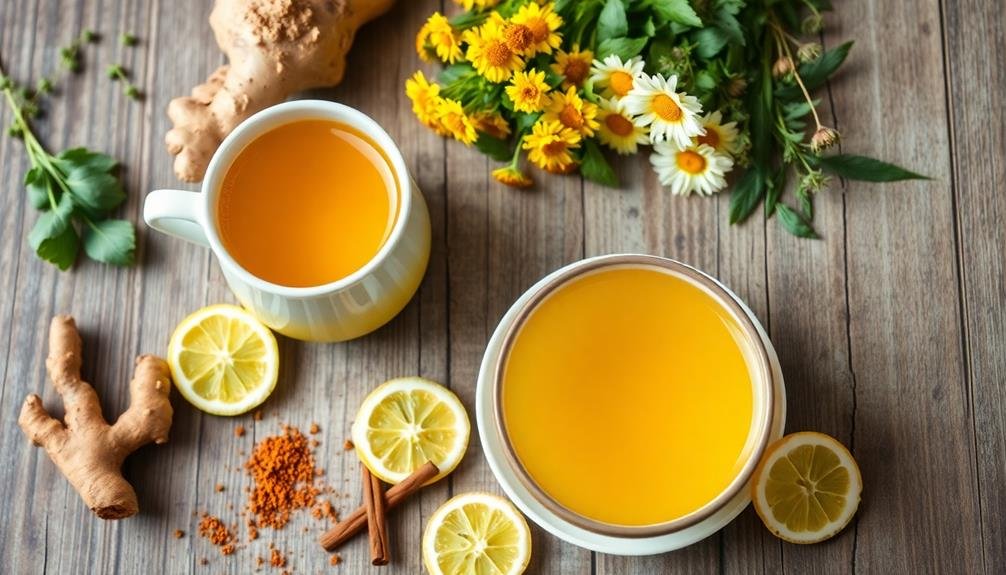
You can harness the healing power of nature with these 10 powerful anti-inflammatory herbal tea blends. Start with turmeric and ginger tea for joint relief, or unwind with chamomile and lavender. Green tea with mint boosts your immune system, while a cinnamon and clove infusion adds warmth. Try rooibos and hibiscus for heart health, and enjoy a lemon balm and thyme blend for relaxation. Dandelion root and nettle tea supports detox, and peppermint with fennel helps digestion. Ashwagandha and holy basil promote stress relief, while sage and rosemary offer cognitive benefits. Discover more about each blend's unique benefits next!
Turmeric and Ginger Tea
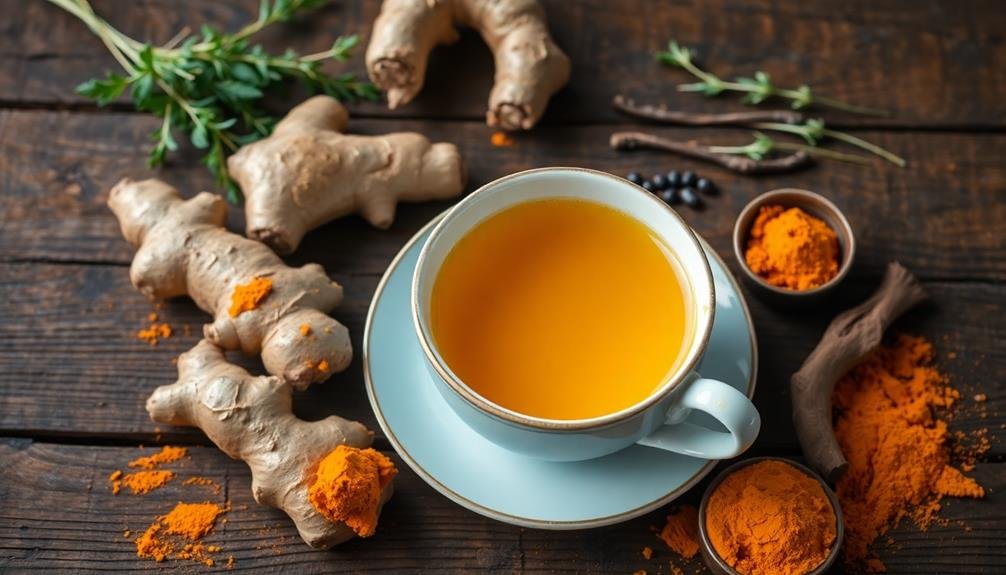
Brewing a cup of turmeric and ginger tea not only warms you up but also packs a powerful anti-inflammatory punch. This vibrant blend combines turmeric, known for its active compound curcumin, with ginger, which contains potent antioxidants.
When you sip this tea, you're not just enjoying a soothing drink; you're also giving your body a natural boost.
To make this tea, start by grating a small piece of fresh ginger and adding it to boiling water. Then, incorporate a teaspoon of turmeric powder or freshly grated turmeric root.
Let it simmer for about 10 minutes to extract the flavors and benefits. Strain the mixture into your favorite mug, and you can sweeten it with honey or a splash of lemon for added flavor.
Drinking turmeric and ginger tea regularly may help reduce inflammation in your body, which in turn can alleviate discomfort from conditions like arthritis or muscle soreness.
Plus, it's a great way to support your immune system during cold and flu season. So, the next time you need a cozy drink, reach for this herbal remedy and enjoy its soothing goodness while reaping its health benefits.
Chamomile and Lavender Blend
The Chamomile and Lavender Blend offers a soothing experience with impressive health benefits.
You'll find it easy to prepare this calming tea, and its floral flavor profile enhances relaxation.
Let's explore what makes this blend a perfect addition to your anti-inflammatory herbal tea collection.
Health Benefits Overview
Enjoying a calming cup of chamomile and lavender tea can do wonders for your health. This delightful blend offers a range of benefits, primarily due to its potent anti-inflammatory properties.
Chamomile is known for its ability to ease digestive issues, reduce anxiety, and promote better sleep. It contains antioxidants that help combat oxidative stress, supporting your overall well-being.
Lavender, on the other hand, is famous for its soothing aroma and can help alleviate stress and anxiety. Drinking lavender tea may also improve sleep quality, allowing you to wake up refreshed and ready to tackle the day.
The combination of chamomile and lavender not only helps you unwind but also supports your immune system, which is essential for maintaining good health.
Additionally, this herbal tea may aid in reducing headaches and menstrual pain, providing natural relief when you need it most.
By incorporating chamomile and lavender tea into your routine, you're not just treating yourself to a delicious drink; you're also investing in your physical and mental wellness.
Preparation Method Explained
To prepare a soothing chamomile and lavender tea blend, you'll want to gather your ingredients and follow a straightforward process.
Start with dried chamomile flowers and dried lavender buds, using about one tablespoon of each per cup of water. You can adjust the quantities based on your taste preferences.
Next, boil water in a kettle or pot. Once it reaches a rolling boil, remove it from heat and let it cool slightly for about 30 seconds. This helps to avoid scalding the delicate herbs.
In a teapot or heatproof container, combine the chamomile and lavender. Pour the hot water over the herbs, allowing them to steep for about 5 to 10 minutes. The longer you steep, the stronger the flavor will be.
After steeping, strain the tea into your favorite mug, discarding the herbs. If you like, add a touch of honey or a slice of lemon for added flavor, but it's optional.
Enjoy your calming chamomile and lavender tea blend, perfect for winding down or easing stress throughout your day.
Flavor Profile Insights
Often, the chamomile and lavender blend offers a delightful balance of flavors that can transport you to a place of calm. The subtle sweetness of chamomile pairs beautifully with the floral notes of lavender, creating a soothing experience for your senses. This combination not only tastes great but also enhances relaxation, making it an ideal choice for winding down after a long day.
| Flavor Component | Description |
|---|---|
| Chamomile | Sweet, apple-like notes with a hint of earthiness. Ideal for promoting relaxation. |
| Lavender | Floral and slightly herbaceous, adding a soothing aroma that calms the mind. |
When you brew this tea, you'll notice that the golden hue reflects its gentle nature. Sipping on this blend can awaken memories of tranquil gardens and peaceful evenings. The soothing experience is further enhanced when you add a touch of honey or lemon, which can complement the flavors without overpowering them. So, whether you're enjoying this blend alone or sharing it with friends, you'll find that each cup invites tranquility and comfort.
Green Tea With Mint
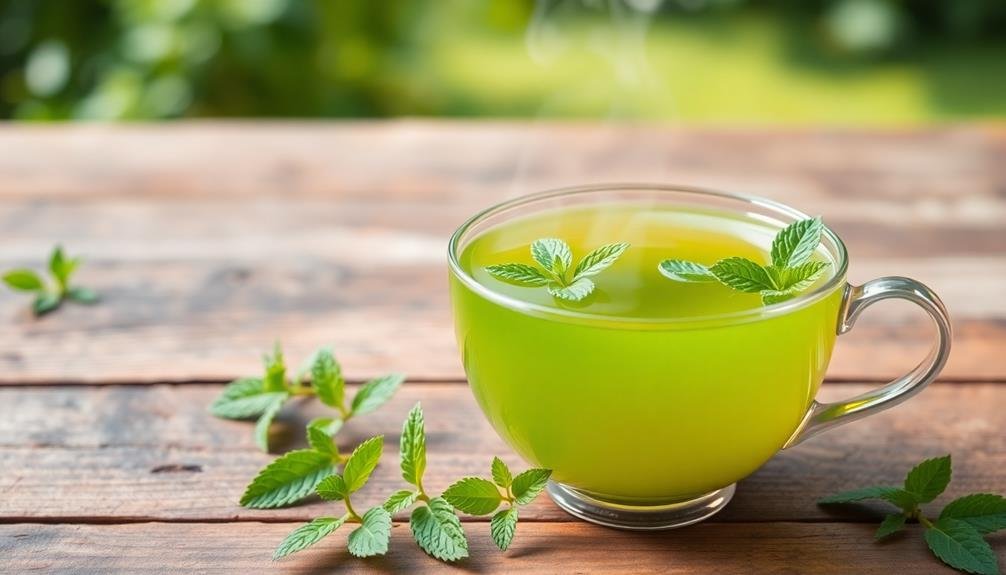
There's something invigorating about a cup of green tea with mint that not only delights the senses but also offers a range of anti-inflammatory benefits. This revitalizing blend combines the rich antioxidants found in green tea with the soothing properties of mint, creating a beverage that can help reduce inflammation throughout your body.
Green tea is packed with polyphenols, specifically catechins, which are known to combat oxidative stress and inflammation. By sipping on this tea, you're not just enjoying a flavorful drink; you're also supporting your immune system.
Mint, on the other hand, contains menthol, which can aid digestion and provide a calming effect, enhancing your overall wellness.
To prepare this delightful infusion, steep a green tea bag or loose leaves in hot water for about three minutes. Then, add fresh mint leaves to the cup and let it steep for an additional two minutes. You can enjoy it hot or cold, depending on your preference.
Sweeten it lightly with honey if you like. By making green tea with mint a regular part of your routine, you'll not only enjoy its taste but also harness its numerous health benefits.
Cinnamon and Clove Infusion
A warm cup of cinnamon and clove infusion offers a rich, aromatic experience while delivering powerful anti-inflammatory properties. Both cinnamon and clove are loaded with antioxidants and compounds that can help reduce inflammation in your body.
When you brew this infusion, you're not just indulging in a delightful flavor; you're also supporting your overall health.
To make this infusion, start by boiling water and adding a couple of cinnamon sticks and a few whole cloves. Let it steep for about 10 minutes to extract the full benefits. If you'd like, you can add a touch of honey or a slice of lemon for added flavor and health benefits.
Drinking this infusion regularly may help ease discomfort associated with inflammatory conditions, boost your immune system, and improve digestion.
The warming nature of cinnamon combined with the spicy kick of cloves makes it a perfect choice for chilly days or when you feel under the weather.
Rooibos and Hibiscus Mix
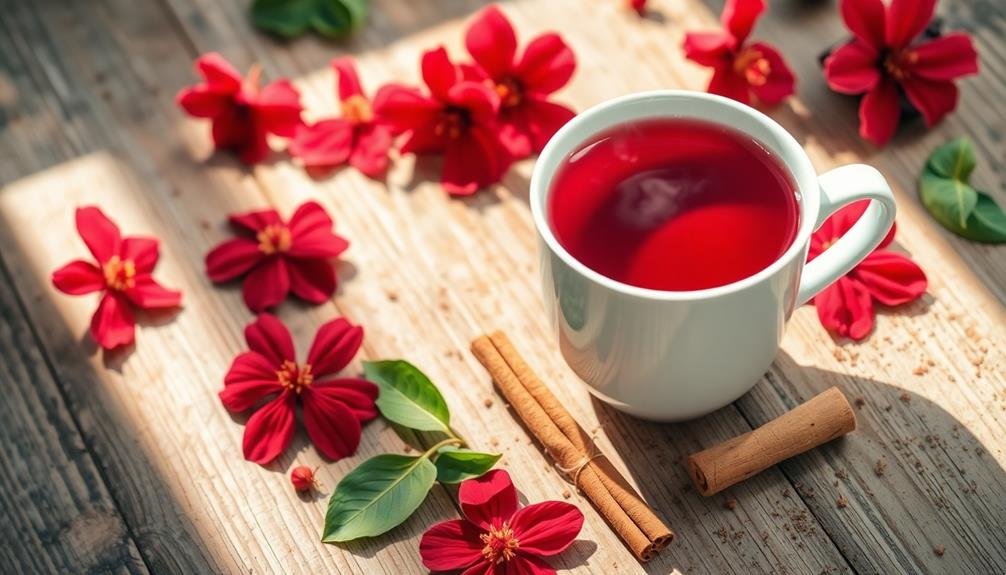
Rooibos and hibiscus make a vibrant combination that offers impressive health benefits.
You'll find that this mix not only tastes great but also supports your body's natural defenses.
Let's explore how you can prepare this invigorating tea and what makes it so beneficial for your well-being.
Health Benefits Overview
When exploring the health benefits of herbal teas, the combination of rooibos and hibiscus stands out for its impressive anti-inflammatory properties. This powerful blend not only helps reduce inflammation but also supports overall health in various ways.
Rooibos, rich in antioxidants, fights oxidative stress, helping to protect your cells from damage. It's also caffeine-free, making it a great choice for any time of day.
Hibiscus, on the other hand, is known for its ability to lower blood pressure and improve heart health. Its high vitamin C content boosts your immune system, helping you fend off illnesses.
Together, these herbs can enhance your well-being by promoting healthy digestion and soothing digestive issues.
Moreover, the blend may contribute to weight management by supporting metabolism and reducing cravings. Drinking rooibos and hibiscus tea regularly can also improve skin health, thanks to their anti-inflammatory and antioxidant properties.
Overall, this herbal mix offers a holistic approach to wellness, combining flavor with numerous health benefits that can help you feel your best.
Preparation Methods Explained
Creating a soothing rooibos and hibiscus tea blend is simple and rewarding. To start, gather your ingredients: 2 tablespoons of rooibos tea, 1 tablespoon of dried hibiscus flowers, and 4 cups of water. You can adjust the quantities based on your taste preferences.
Begin by boiling the water in a saucepan. Once it reaches a rolling boil, remove it from heat and add the rooibos and hibiscus. Stir gently to combine, then cover the saucepan and let it steep for about 5 to 7 minutes. This steeping time allows the flavors to meld beautifully while extracting the beneficial compounds.
After steeping, strain the tea into your favorite teapot or directly into cups. If you want a little sweetness, consider adding honey or agave syrup to taste.
For a revitalizing twist, serve the tea chilled over ice, garnished with a slice of lemon or a sprig of mint.
Enjoy this vibrant, red-hued tea, knowing you're indulging in a delicious blend that supports your health and wellness. Making this tea isn't just about the taste; it's a ritual that nourishes both body and mind.
Lemon Balm and Thyme
Lemon balm and thyme's soothing properties make them a perfect duo for an anti-inflammatory herbal tea blend. These herbs not only taste great together, but they also pack a punch against inflammation.
Lemon balm, with its gentle lemony flavor, offers calming effects that can help reduce stress and promote relaxation. This is crucial since stress can often contribute to inflammation in your body.
Thyme, on the other hand, is rich in antioxidants and has strong antimicrobial properties. It can help your body fight off infections and support your immune system, which is necessary for managing inflammation.
When combined, these two herbs create a revitalizing tea that's both delicious and beneficial.
To prepare this herbal blend, simply steep fresh or dried lemon balm and thyme leaves in hot water for about 5-10 minutes. You might want to add a drizzle of honey or a slice of lemon for extra flavor.
Enjoy this tea daily to reap its anti-inflammatory benefits. Whether you're dealing with chronic inflammation or just looking to support your overall health, this blend can be a delightful addition to your wellness routine.
Dandelion Root and Nettle

After enjoying the calming effects of lemon balm and thyme, consider the powerful benefits of dandelion root and nettle in your herbal tea repertoire. This dynamic duo brings a wealth of anti-inflammatory properties that can help you feel revitalized and more balanced.
Dandelion root is known for its ability to support liver function, aiding in detoxification and digestion. By incorporating it into your tea, you're not just enjoying a flavorful drink; you're also promoting overall wellness.
Nettle, on the other hand, is rich in vitamins and minerals, including iron and vitamin C. This herb can help reduce inflammation in the body, making it an excellent addition for anyone looking to combat chronic issues.
To prepare your tea, steep one teaspoon of dried dandelion root and one teaspoon of dried nettle leaves in hot water for about 10 minutes. Strain and enjoy! You can also add a hint of honey or lemon to enhance the flavor.
Peppermint and Fennel Fusion
When you combine peppermint and fennel, you release a blend that offers impressive health benefits.
You'll find that preparing this fusion is straightforward, making it easy to enjoy at home.
Plus, the unique flavor profile adds a revitalizing twist to your herbal tea experience.
Health Benefits Overview
Peppermint and fennel fusion tea delivers a powerhouse of health benefits that can boost your well-being. This delightful blend combines the soothing properties of peppermint with the digestive support of fennel, creating a drink that not only tastes great but also promotes overall health.
Peppermint is known for its ability to relieve headaches, reduce tension, and improve focus. When you sip on this tea, you're likely to experience a calming effect that can help clear your mind.
Fennel, on the other hand, is celebrated for its digestive benefits. It can alleviate bloating and gas, making it an excellent choice after a heavy meal.
Additionally, both peppermint and fennel have anti-inflammatory properties, which can help reduce inflammation in the body. This is essential for maintaining good health, as chronic inflammation can lead to various health issues.
The antioxidants found in these herbs also support your immune system, keeping you feeling your best.
Incorporating this tea into your daily routine can enhance your overall wellness, making it a simple yet effective way to nurture your body and mind. Enjoying a cup can be a revitalizing step toward a healthier lifestyle.
Preparation Method Steps
Creating your own peppermint and fennel fusion tea is a simple process that allows you to enjoy its numerous health benefits at home.
Start by gathering your ingredients: fresh peppermint leaves, fennel seeds, and water. You can use dried herbs, but fresh will provide a more vibrant flavor.
First, measure out about two tablespoons of fresh peppermint leaves and one teaspoon of fennel seeds. If you're using dried herbs, stick to one tablespoon of peppermint and half a teaspoon of fennel.
Next, bring about four cups of water to a gentle boil in a pot.
Once the water is boiling, add your peppermint and fennel. Remove the pot from heat and cover it, allowing the herbs to steep for about 10 to 15 minutes. This step is essential as it allows the flavors and beneficial properties to infuse into the water.
After steeping, strain the tea into your favorite mug, discarding the herbs. You can enjoy it as is, or sweeten it with honey or a splash of lemon if you prefer.
Sip and savor your homemade peppermint and fennel fusion tea!
Flavor Profile Exploration
The delightful fusion of peppermint and fennel offers a unique flavor experience that tantalizes the taste buds. This blend combines the invigorating, cool notes of peppermint with the warm, sweet undertones of fennel, creating a harmonious balance that's both energizing and soothing.
As you sip this herbal tea, you'll notice three key flavor components that make this fusion stand out:
- Invigorating Coolness: Peppermint brings a burst of freshness that awakens your senses, leaving a cooling sensation that lingers pleasantly on your palate.
- Sweet Warmth: Fennel's natural sweetness complements the minty brightness, adding depth and a gentle warmth that rounds out the flavor profile beautifully.
- Herbal Complexity: The herbal notes from both ingredients create a layered taste experience, where each sip reveals subtle nuances, making you want to explore every aspect of the blend.
Together, peppermint and fennel create a tea that's not just about taste; it's an experience that can uplift your mood and support your wellness journey.
Enjoying this fusion is a delightful way to embrace the benefits of nature's bounty.
Ashwagandha and Holy Basil
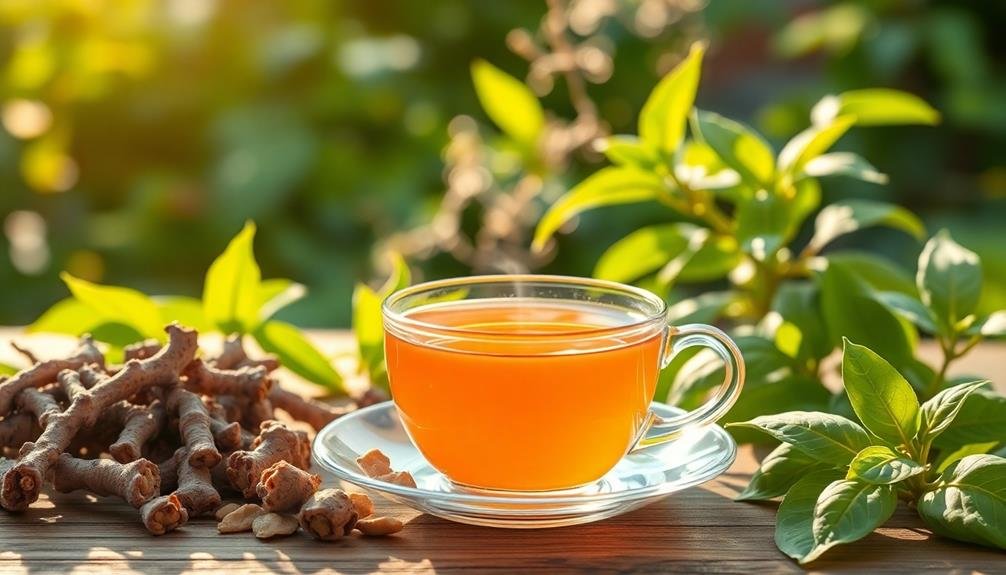
Ashwagandha and holy basil are two powerful herbs that can considerably enhance your tea blends. Ashwagandha, known for its adaptogenic properties, helps your body manage stress and promotes overall well-being. When added to your tea, it not only boosts flavor but also offers calming effects, making it perfect for a relaxing evening ritual.
Holy basil, or Tulsi, complements ashwagandha beautifully. It's revered for its anti-inflammatory and antioxidant benefits. This herb can help reduce inflammation in your body, enhancing your immune response and supporting heart health.
When you brew a tea with both ashwagandha and holy basil, you create a harmonious blend that soothes your mind and body.
To make this tea, simply steep 1 teaspoon of dried ashwagandha root and 1 teaspoon of dried holy basil leaves in hot water for about 10 minutes. You can sweeten it with honey or add a splash of lemon for extra flavor.
Enjoy this tea daily to reap the full benefits, and you'll find your stress levels decrease while your overall health improves. So, grab these herbs and start brewing a cup that nurtures your body and mind.
Sage and Rosemary Brew
Sage and rosemary make a fragrant duo that's perfect for a soothing herbal tea. This blend not only delights your senses but also packs a punch of anti-inflammatory benefits. By brewing these herbs together, you can enjoy a warm cup that aids in relaxation and wellness.
Here's why you should give this brew a try:
- Rich in Antioxidants: Both sage and rosemary are loaded with antioxidants that combat oxidative stress, helping your body fight inflammation more effectively.
- Digestive Support: This herbal tea can soothe your digestive system. Sage is known for its ability to reduce bloating, while rosemary aids in digestion, making this a great choice after meals.
- Cognitive Boost: Rosemary has been linked to improved memory and concentration. Sipping on this tea can help sharpen your focus while providing overall mental clarity.
To make your sage and rosemary brew, steep fresh or dried leaves in hot water for about 5-10 minutes. Sweeten it with honey if you like, and enjoy the calming effects of this delightful herbal infusion.
Your body will thank you!
Frequently Asked Questions
Can These Teas Be Consumed Daily for Inflammation Relief?
Yes, you can consume these teas daily for inflammation relief. Just guarantee you listen to your body and adjust accordingly. Staying consistent may enhance their benefits, helping you manage inflammation more effectively over time.
Are There Any Side Effects From These Herbal Tea Blends?
Herbal tea blends can sometimes cause side effects like stomach upset, allergic reactions, or interactions with medications. It's important to listen to your body and consult a healthcare professional if you experience any adverse effects.
How Long Should I Steep These Herbal Teas?
You should steep herbal teas for about 5 to 10 minutes, depending on the type. Shorter steeping times maintain a lighter flavor, while longer steeping can enhance the potency and richness of the tea.
Can I Add Sweeteners to These Tea Blends?
Absolutely, you can add sweeteners to your tea blends! Honey, agave, or stevia can enhance the flavor without overpowering the herbal notes. Just remember to start with a little and adjust to your taste.
Are These Teas Safe for Pregnant or Breastfeeding Women?
You should always consult your healthcare provider before consuming herbal teas during pregnancy or breastfeeding. Some herbs may not be safe, so it's best to guarantee you're making choices that protect both you and your baby.
In Summary
Incorporating these herbal tea blends into your daily routine can be a delicious way to combat inflammation naturally. Each mix offers unique flavors and benefits that can support your overall health. So, whether you're sipping on a turmeric and ginger tea or enjoying a soothing chamomile and lavender blend, you're not just treating your taste buds—you're nurturing your body. Give them a try, and discover how simple ingredients can make a powerful impact on your well-being!




Leave a Reply