

Hibiscus-rosehip tea is a natural powerhouse for boosting your digestive health. It's packed with antioxidants and anti-inflammatory compounds that can reduce gut inflammation by up to 20%. This herbal blend supports your digestive system by promoting regular bowel movements, alleviating constipation, and reducing bloating. Rich in vitamin C and essential minerals, it strengthens your gut lining and aids in toxin elimination. You'll benefit from improved nutrient absorption and a healthier gut microbiome. To maximize its effects, aim for 1-2 cups daily, adjusting the brew strength to your preference. Discover how this simple tea can transform your digestive wellness and overall health.
The Power of Hibiscus-Rosehip Tea
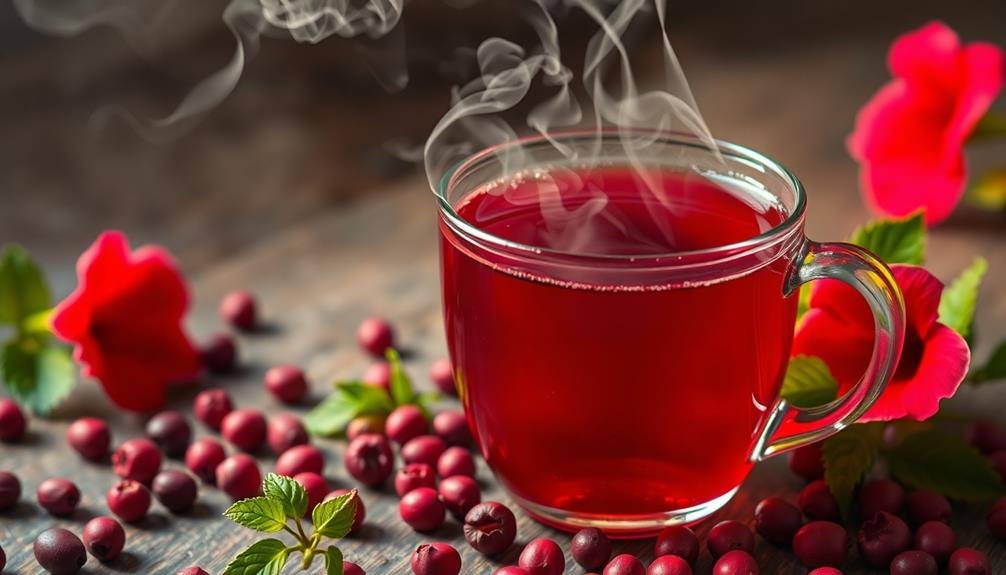
Hibiscus-Rosehip tea packs a powerful punch when it comes to digestive health. This vibrant, ruby-red beverage combines two potent herbs that offer a wide range of benefits for your gut. Hibiscus flowers are rich in antioxidants and have anti-inflammatory properties, which can help soothe digestive discomfort and reduce bloating.
Rosehips, the fruit of the rose plant, are packed with vitamin C and other nutrients that support overall digestive function. When you drink Hibiscus-Rosehip tea, you're introducing natural compounds that can aid in digestion and promote a healthy gut microbiome.
The tea's mild diuretic effect helps flush toxins from your system, while its gentle laxative properties can alleviate constipation. It's also known to support liver function, which plays a significant role in digestion and detoxification.
Regular consumption of this tea may help reduce acid reflux symptoms and improve overall gut health. The tea's natural tannins can help strengthen the lining of your digestive tract, potentially reducing the risk of ulcers and other digestive issues.
Understanding Digestive Health
Your digestive health plays an essential role in your overall well-being, with the gut microbiome at its core.
This complex ecosystem of bacteria in your intestines affects everything from nutrient absorption to immune function.
Understanding common digestive issues, such as bloating, constipation, and acid reflux, can help you take steps to improve your gut health and quality of life.
Gut Microbiome Importance
The human gut hosts trillions of microorganisms that play an essential role in digestive health. This complex ecosystem, known as the gut microbiome, is vital for maintaining your overall well-being. It's involved in numerous bodily functions, including digestion, nutrient absorption, and immune system regulation.
Your gut microbiome helps break down complex carbohydrates and fibers that your body can't digest on its own. It produces essential vitamins like B12 and K, and synthesizes short-chain fatty acids that nourish your intestinal cells. A healthy gut microbiome also strengthens your intestinal barrier, preventing harmful bacteria and toxins from entering your bloodstream.
The balance of beneficial and harmful bacteria in your gut can greatly impact your digestive health. An imbalance, known as dysbiosis, can lead to various digestive issues, including bloating, gas, and irregular bowel movements. It may also contribute to more serious conditions like inflammatory bowel disease and irritable bowel syndrome.
To maintain a healthy gut microbiome, you should focus on consuming a diverse range of fiber-rich foods, fermented products, and probiotic supplements. Avoiding excessive use of antibiotics and reducing stress levels can also help preserve your gut's microbial balance.
Common Digestive Issues
Digestive health's complexity often leads to various common issues that can disrupt daily life. You may experience acid reflux, where stomach acid flows back into your esophagus, causing heartburn and discomfort.
Constipation, characterized by infrequent or difficult bowel movements, can lead to bloating and abdominal pain. On the other hand, diarrhea results in loose, watery stools and can cause dehydration if left untreated.
Irritable Bowel Syndrome (IBS) is a chronic condition affecting your large intestine, causing symptoms like cramping, abdominal pain, and changes in bowel habits.
Food intolerances, such as lactose or gluten sensitivity, can trigger digestive distress when you consume certain foods.
Gastroesophageal reflux disease (GERD) is a more severe form of acid reflux that can damage your esophagus over time.
Inflammatory Bowel Disease (IBD), including Crohn's disease and ulcerative colitis, involves chronic inflammation of your digestive tract.
Gallstones, formed in your gallbladder, can cause sudden, intense abdominal pain.
Peptic ulcers, sores in your stomach or small intestine lining, may lead to burning pain and nausea.
Recognizing these common digestive issues is essential for seeking appropriate treatment and maintaining your overall health.
Key Benefits for Your Gut
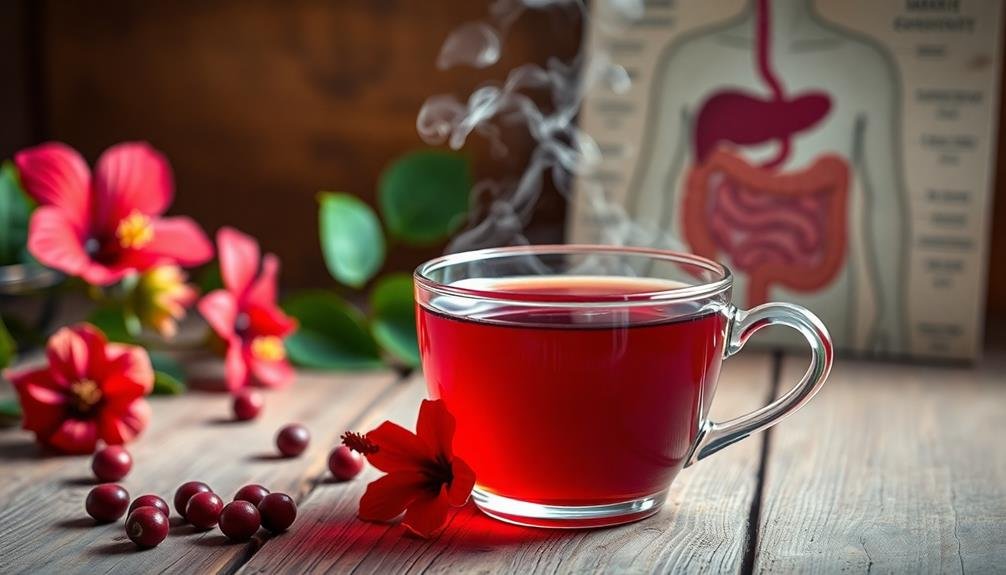
Delving into the world of hibiscus-rosehip tea reveals a wealth of benefits for your digestive system. This powerful blend can help soothe inflammation in your gut, reducing discomfort and promoting overall digestive health. The tea's natural compounds work to stimulate the production of bile, which aids in the breakdown of fats and improves nutrient absorption.
You'll find that hibiscus-rosehip tea can also help regulate your bowel movements, alleviating both constipation and diarrhea. Its mild diuretic properties support your body's natural detoxification processes, flushing out toxins and excess water.
The tea's high vitamin C content boosts your immune system, protecting your gut from harmful bacteria and supporting the growth of beneficial gut flora. Additionally, this tea blend can help reduce bloating and gas by promoting healthy digestion and reducing the fermentation of undigested food in your intestines.
It's also known to support liver function, which plays an essential role in digestion and detoxification. By incorporating hibiscus-rosehip tea into your daily routine, you're taking a proactive step towards improved gut health and overall well-being.
Nutrient Profile of Hibiscus
You'll find hibiscus to be a nutritional powerhouse, packed with beneficial compounds.
It's especially rich in antioxidants and vitamin C, which can support your immune system and overall health.
The flower also contains a variety of minerals, including calcium, iron, and magnesium, contributing to its well-rounded nutrient profile.
Rich in Antioxidants
Antioxidants are the star players in hibiscus tea's impressive nutrient profile. These powerful compounds help protect your body from harmful free radicals, which can cause oxidative stress and cellular damage. Hibiscus tea is particularly rich in anthocyanins, flavonoids, and vitamin C, all of which contribute to its potent antioxidant properties.
When you sip on hibiscus tea, you're giving your body a natural defense against various health issues. The antioxidants in hibiscus have been linked to:
- Reduced inflammation throughout the body
- Lower risk of chronic diseases, including heart disease and certain cancers
- Improved skin health and a more youthful appearance
Research suggests that hibiscus tea may have even higher antioxidant levels than some well-known superfoods. Its antioxidant content can vary depending on the brewing method and steeping time, but generally, a longer steep will result in more antioxidants in your cup.
Vitamin C Content
While hibiscus tea's antioxidant profile is impressive, its vitamin C content deserves special attention. You'll be pleased to know that hibiscus is an excellent source of this essential nutrient. A single cup of hibiscus tea can provide up to 20% of your daily recommended intake of vitamin C.
This high vitamin C content offers numerous benefits for your digestive health. It helps your body produce collagen, which is important for maintaining the integrity of your gut lining. A healthy gut lining is necessary for proper nutrient absorption and preventing harmful substances from entering your bloodstream.
Vitamin C also aids in the absorption of iron, a mineral that's essential for digestive health. By enhancing iron absorption, hibiscus tea can help prevent anemia and guarantee your digestive system functions effectively.
Moreover, the vitamin C in hibiscus tea supports your immune system, which is closely linked to gut health. A strong immune system helps protect your digestive tract from harmful pathogens and reduces the risk of gastrointestinal infections.
Mineral Composition Breakdown
The mineral profile of hibiscus tea is as diverse as it's beneficial for digestive health. When you brew this vibrant red beverage, you're not just getting a tasty drink; you're also infusing your body with essential minerals that support your digestive system.
Hibiscus tea contains notable amounts of calcium, magnesium, and potassium, all of which play significant roles in maintaining a healthy gut.
Calcium aids in muscle contractions, including those in your digestive tract, ensuring smooth food passage. Magnesium helps regulate muscle function and can alleviate constipation. Potassium is essential for proper fluid balance and can help prevent bloating.
Here's a breakdown of the key minerals you'll find in hibiscus tea:
- Iron: Supports oxygen transport and enzyme production
- Phosphorus: Important for energy metabolism and cell repair
- Zinc: Aids in immune function and wound healing
These minerals work together to promote overall digestive health. By incorporating hibiscus tea into your diet, you're not only enjoying a flavorful drink but also providing your body with a natural mineral boost that supports your digestive system's best function.
Rosehip's Digestive Properties

Rosehips pack a powerful punch when it comes to digestive health. Their high fiber content aids in promoting regular bowel movements and preventing constipation. You'll find that incorporating rosehip tea into your diet can help soften stool and ease its passage through your digestive tract.
The natural pectin in rosehips acts as a prebiotic, nourishing beneficial gut bacteria. This can lead to improved digestion and a healthier gut microbiome. Additionally, rosehips contain polyphenols that may reduce inflammation in your digestive system, potentially alleviating symptoms of conditions like irritable bowel syndrome (IBS).
You'll also benefit from rosehips' ability to support liver function. Their antioxidants help protect liver cells from damage and may enhance the organ's detoxification processes. This can indirectly improve your overall digestive health by ensuring proper bile production and nutrient absorption.
Rosehips' mild diuretic properties can help flush toxins from your system, supporting kidney function and promoting overall digestive wellness.
Preparing the Perfect Blend
How can you create the ideal hibiscus-rosehip tea blend for maximum digestive benefits? Start by selecting high-quality, organic dried hibiscus flowers and rosehips. Aim for a ratio of 2:1 hibiscus to rosehips, as this balance provides the best combination of flavors and health benefits.
To prepare the perfect blend, follow these steps:
- Measure out 2 teaspoons of dried hibiscus flowers and 1 teaspoon of crushed rosehips per cup of water.
- Bring fresh, filtered water to a boil in a kettle or pot.
- Place the herbs in a tea infuser or directly in your cup, then pour the hot water over them.
Let the tea steep for 5-7 minutes, depending on your desired strength. The longer it steeps, the more potent the digestive benefits will be. You'll notice the water turning a deep red color as the herbs release their beneficial compounds.
Once steeped, remove the herbs and enjoy your tea hot or iced. For added flavor and digestive support, you can include a slice of fresh ginger or a sprinkle of cinnamon.
Remember to drink this tea regularly for the best results in improving your digestive health.
Optimal Brewing Techniques
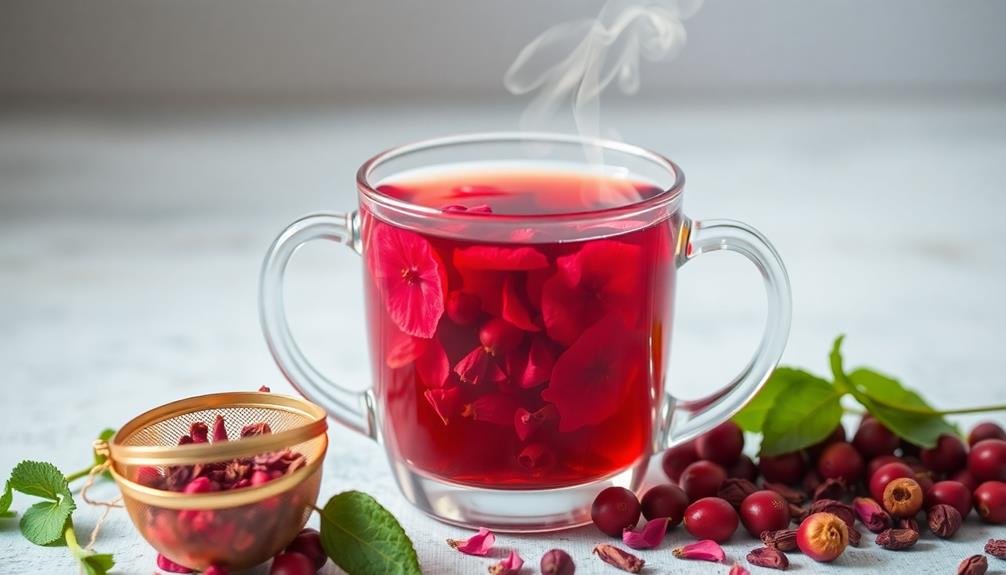
To brew the perfect cup of hibiscus-rosehip tea for digestive health, you'll need to pay attention to three key factors.
First, make certain you're using the right water temperature to extract the ideal flavors and beneficial compounds.
Second, follow steeping time guidelines to avoid over-extraction and bitterness.
Water Temperature Matters
For ideal brewing of hibiscus-rosehip tea, water temperature plays an essential role. You'll want to aim for a temperature between 190°F and 200°F (88°C to 93°C) to extract the best flavor and health benefits from both the hibiscus and rosehip.
Water that's too hot can result in a bitter taste, while water that's too cool may not fully release the tea's beneficial compounds.
To achieve the perfect temperature:
- Use a thermometer to measure your water precisely
- If you don't have a thermometer, bring water to a boil and let it cool for 30 seconds
- Invest in a variable temperature kettle for consistent results
Once you've reached the right temperature, steep your hibiscus-rosehip tea for 5-7 minutes. This allows enough time for the water to extract the tea's digestive-friendly compounds, including antioxidants and vitamin C.
Steeping Time Guidelines
With the ideal water temperature achieved, it's time to focus on steeping time for your hibiscus-rosehip tea. The duration you allow your tea to steep greatly influences its flavor, strength, and potential health benefits. For hibiscus-rosehip tea, aim for a steeping time between 5 to 7 minutes.
If you prefer a milder taste, stick to the lower end of this range. For a stronger, more robust flavor, let it steep for the full 7 minutes. Be cautious not to exceed this time, as over-steeping can lead to a bitter taste and may diminish some of the tea's beneficial properties.
During the steeping process, cover your cup or teapot to retain heat and prevent the volatile oils from escaping. This guarantees you'll get the full spectrum of flavors and health benefits.
Gently swirl or stir the tea once or twice during steeping to promote even infusion.
After the ideal steeping time, remove the tea bags or strain the loose leaves immediately. This prevents further extraction and maintains the perfect balance of flavors and nutrients in your hibiscus-rosehip tea.
Herb-To-Water Ratio Essentials
In accordance with the principles of ideal brewing, achieving the right herb-to-water ratio is essential for crafting the perfect cup of hibiscus-rosehip tea.
You'll want to strike a balance between flavor intensity and health benefits. Generally, a ratio of 1 to 2 teaspoons of dried hibiscus and rosehip blend per 8 ounces of water works well. However, you can adjust this based on your taste preferences.
For a stronger brew, increase the amount of herbs slightly, but be cautious not to overdo it. Too much can lead to a bitter taste and potentially negate some of the tea's digestive benefits.
If you're using fresh herbs, you'll need to double the amount used compared to dried ones.
Here are three key points to remember when measuring your herb-to-water ratio:
- Use a precise measuring spoon for accuracy
- Consider the size of your tea infuser or bag
- Adjust the ratio based on whether you're using loose herbs or tea bags
Recommended Daily Intake
According to health experts, you should aim for 1-2 cups of hibiscus-rosehip tea daily to reap its digestive benefits. This moderate intake allows you to harness the tea's gut-friendly properties without overdoing it.
It's important to remember that while hibiscus-rosehip tea is generally safe, excessive consumption may lead to unwanted side effects.
Start by incorporating one cup into your morning routine, perhaps as a replacement for your regular coffee or tea. If you tolerate it well, you can gradually increase to two cups per day, spacing them out throughout your waking hours.
It's best to avoid drinking the tea close to bedtime, as it may interfere with your sleep due to its mild caffeine content.
If you're new to hibiscus-rosehip tea, begin with a weaker brew and slowly increase the strength as your body adjusts. Pay attention to how your digestive system responds and adjust your intake accordingly.
Potential Side Effects
While hibiscus-rosehip tea offers numerous health benefits, it's important to be aware of three potential side effects. Consuming this tea in moderation is generally safe for most people, but you should exercise caution if you have certain health conditions or are taking specific medications.
- Lowered blood pressure: Hibiscus can considerably reduce blood pressure, which may be problematic if you're already on blood pressure medications or have naturally low blood pressure.
- Increased risk of bleeding: Rosehip contains high levels of vitamin C, which can interfere with blood-thinning medications and increase the risk of bleeding.
- Pregnancy concerns: Hibiscus may stimulate menstruation and potentially lead to miscarriage, so pregnant women should avoid this tea.
If you're taking any medications or have pre-existing health conditions, it's best to consult your healthcare provider before incorporating hibiscus-rosehip tea into your routine.
Additionally, some people may experience mild side effects such as stomach upset or allergic reactions. If you notice any unusual symptoms after drinking this tea, discontinue use and seek medical advice.
Complementary Herbs for Digestion
Hibiscus-rosehip tea's digestive benefits can be enhanced by combining it with other herbs known for their gut-friendly properties. Consider adding peppermint to your blend, as it's renowned for soothing upset stomachs and reducing bloating.
Ginger is another powerful ally, helping to ease nausea and promote healthy digestion. You might also try chamomile, which can calm digestive discomfort and reduce inflammation in the gut.
For those dealing with indigestion, fennel seeds can be a valuable addition. They're known to relieve gas and bloating while supporting overall digestive health.
If you're looking to boost your tea's antioxidant properties, consider adding a pinch of turmeric. This golden spice has anti-inflammatory effects that can benefit your digestive system.
Don't forget about licorice root, which can help soothe the digestive tract and may even aid in healing stomach ulcers.
Finally, marshmallow root can be an excellent complement, as it forms a protective layer in the digestive tract, potentially easing symptoms of acid reflux and other digestive issues.
Hibiscus-Rosehip vs. Commercial Teas
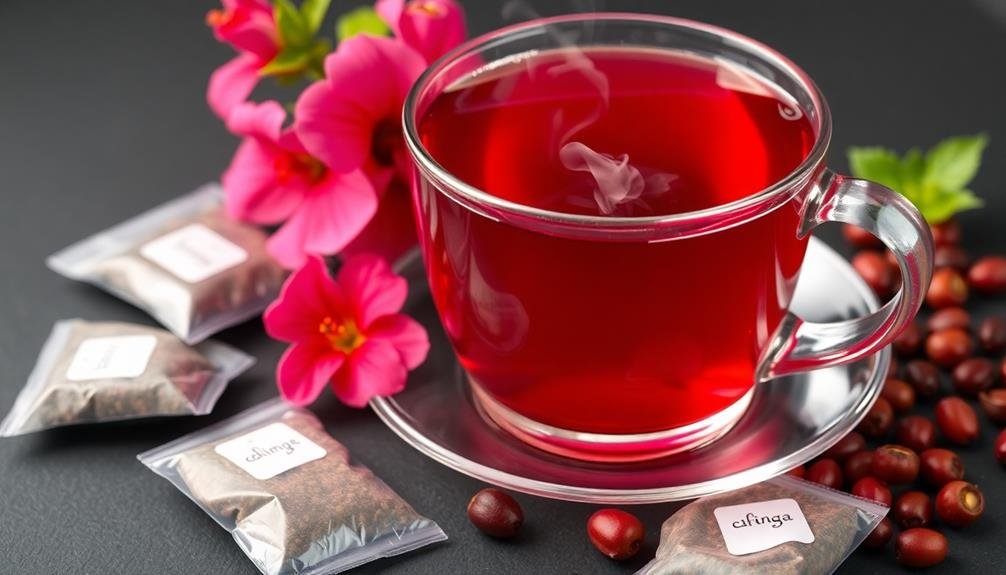
Tea enthusiasts often wonder how hibiscus-rosehip tea stacks up against commercial teas. While both options have their merits, hibiscus-rosehip tea offers several advantages for digestive health.
Unlike many commercial teas, which may contain artificial flavors or additives, hibiscus-rosehip tea is typically pure and natural. This means you're getting the full benefits of these herbs without any unnecessary ingredients.
Hibiscus-rosehip tea also tends to have a higher concentration of beneficial compounds compared to many commercial blends. These include antioxidants, vitamin C, and organic acids that can support digestive health.
Additionally, you have more control over the strength and flavor when brewing your own hibiscus-rosehip tea.
Here are three key benefits of choosing hibiscus-rosehip tea over commercial options:
- Pure ingredients without artificial additives
- Higher concentration of beneficial compounds
- Customizable strength and flavor
While commercial teas offer convenience, they often can't match the potency and purity of hibiscus-rosehip tea.
Incorporating Into Your Wellness Routine
Now that you understand the benefits of hibiscus-rosehip tea, it's time to make it a part of your daily wellness routine. Start by replacing one of your regular beverages with this health-boosting tea. You can enjoy it hot or cold, making it versatile for any season.
To maximize the benefits, aim to drink 1-2 cups daily. Here's a simple guide to incorporate hibiscus-rosehip tea into your routine:
| Time of Day | Serving Suggestion | Benefits |
|---|---|---|
| Morning | Hot tea with lemon | Kickstart metabolism |
| Midday | Iced tea | Hydration boost |
| Evening | Warm tea | Aid digestion |
| Before bed | Caffeine-free blend | Promote relaxation |
Remember to steep the tea for 5-10 minutes to extract maximum nutrients. If you're new to the flavor, start with a weaker brew and gradually increase strength. You can also add natural sweeteners like honey or stevia if desired.
For ideal digestive health, pair your tea consumption with a balanced diet and regular exercise. Keep track of how you feel after incorporating the tea into your routine, and adjust as needed to suit your body's response.
Frequently Asked Questions
Can Hibiscus-Rosehip Tea Help With Weight Loss?
Yes, hibiscus-rosehip tea may aid in weight loss. It's low in calories and can help suppress appetite. The tea's diuretic properties might reduce water retention, and its antioxidants could boost metabolism. However, it's not a miracle solution.
Is It Safe to Drink Hibiscus-Rosehip Tea During Pregnancy?
You shouldn't drink hibiscus-rosehip tea during pregnancy. It's best to avoid it as hibiscus may affect hormone levels and potentially cause complications. Always consult your doctor before consuming any herbal teas while pregnant for safety.
How Does Hibiscus-Rosehip Tea Affect Blood Pressure?
Hibiscus-rosehip tea can lower your blood pressure. It's a natural diuretic and ACE inhibitor, helping to relax blood vessels. You'll notice potential effects within a few weeks of regular consumption. Always consult your doctor first.
Can Children Safely Consume Hibiscus-Rosehip Tea?
You should be cautious when giving hibiscus-rosehip tea to children. It's generally safe in moderation, but it can affect iron absorption and blood pressure. Always consult a pediatrician before introducing it to your child's diet.
Does Hibiscus-Rosehip Tea Interfere With Medications?
You should be cautious when consuming hibiscus-rosehip tea with medications. It can interact with certain drugs, especially those for blood pressure and diabetes. Always consult your doctor before adding it to your routine if you're taking medications.
In Summary
You've discovered a natural powerhouse for digestive health in hibiscus-rosehip tea. By incorporating this flavorful brew into your daily routine, you're giving your gut the support it needs. Remember, while it's packed with benefits, it's not a cure-all. Listen to your body and consult a healthcare professional if you have concerns. With its rich nutrient profile and gentle properties, this tea can be a delightful addition to your wellness journey.




Leave a Reply