

Catnip and lemon balm boost digestive health through their powerful combination of properties. You'll find that catnip soothes stomach discomfort, reduces bloating, and promotes digestive enzyme production. Lemon balm, on the other hand, calms digestive issues, offers anti-inflammatory benefits, and enhances nutrient absorption. Together, these herbs create a synergistic effect that amplifies their individual benefits. They relax smooth muscles in your gut, alleviate inflammation, and improve overall digestive function. By incorporating a catnip-lemon balm blend into your routine, you can experience relief from common digestive issues and support your gut health naturally. Discover how this herbal duo can transform your digestive wellness.
Understanding Catnip and Lemon Balm
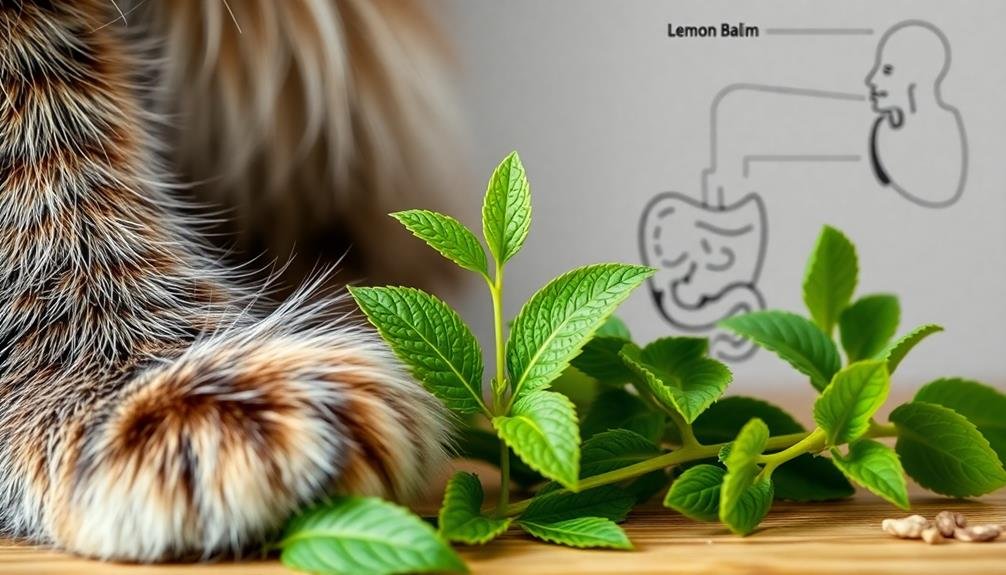
Two close relatives in the mint family, catnip and lemon balm, have been used for centuries to support digestive health.
You'll find catnip (Nepeta cataria) native to Europe and Asia, while lemon balm (Melissa officinalis) originates from southern Europe. Both herbs share similar properties but have distinct characteristics.
Catnip's leaves emit a strong, minty scent that attracts cats but also offers benefits for humans. It contains nepetalactone, a compound responsible for its calming effects. You'll often find catnip in teas, tinctures, and supplements aimed at promoting relaxation and aiding digestion.
Lemon balm, on the other hand, has a lemony aroma and flavor. It's rich in rosmarinic acid, which contributes to its antioxidant and anti-inflammatory properties. You can use lemon balm fresh in salads, dried in teas, or as an essential oil.
Both herbs contain volatile oils, flavonoids, and tannins that contribute to their therapeutic effects.
They're known for their carminative properties, which means they can help reduce gas and bloating. You'll also find that these herbs have mild sedative effects, potentially helping to ease stress-related digestive issues.
Digestive Benefits of Catnip
Catnip isn't just for felines; it can also soothe your stomach discomfort and reduce bloating.
You'll find that this herb helps calm digestive issues by relaxing the smooth muscles in your gut. Additionally, catnip may stimulate the production of digestive enzymes, potentially improving your overall digestive function.
Soothes Stomach Discomfort
Sipping on a warm cup of catnip tea can provide soothing relief for an upset stomach. This herb's natural compounds work to calm the digestive system, easing discomfort and promoting overall gastrointestinal health. Catnip contains nepetalactone, a compound that helps relax smooth muscles in your digestive tract, reducing cramping and bloating.
You'll find that catnip's anti-inflammatory properties can help alleviate irritation in your stomach lining, which is particularly beneficial if you're dealing with acid reflux or indigestion. It's also known to reduce nausea and vomiting, making it a gentle remedy for various stomach ailments.
When you're experiencing stomach discomfort, catnip can stimulate the production of digestive juices and bile, aiding in the breakdown of food and improving nutrient absorption. This process can help reduce feelings of fullness and discomfort after meals.
Regular consumption of catnip tea or supplements may help prevent recurring stomach issues by maintaining a healthy balance of gut bacteria. You'll likely notice improved digestion and reduced frequency of stomach upsets over time.
Remember to consult with your healthcare provider before incorporating catnip into your routine, especially if you have existing medical conditions or are taking medications.
Reduces Bloating
One of the most uncomfortable digestive issues you might face is bloating, and catnip can be a powerful ally in combating this problem. This herb contains compounds that help relax the smooth muscles in your digestive tract, reducing gas buildup and easing the discomfort associated with bloating.
When you consume catnip, it stimulates the production of bile, which aids in the breakdown of fats and improves overall digestion. This process can help prevent the accumulation of gas that often leads to bloating. Additionally, catnip's carminative properties help expel excess gas from your intestines, providing quick relief from that overly full feeling.
Catnip's antispasmodic effects also play a significant role in reducing bloating. By calming intestinal spasms, it allows for smoother digestion and prevents the trapping of gas in your gut.
You'll find that regular consumption of catnip tea or supplements can lead to a noticeable decrease in bloating episodes.
For best results, try combining catnip with other digestive-friendly herbs like peppermint or ginger. This synergistic approach can enhance its bloat-reducing effects and provide thorough support for your digestive system.
Promotes Digestive Enzymes
Beyond its ability to reduce bloating, catnip plays an integral role in promoting digestive enzymes. When you consume catnip, it stimulates the production of various digestive enzymes in your gastrointestinal tract. These enzymes are vital for breaking down food particles and facilitating nutrient absorption.
Catnip contains compounds that encourage your body to release more amylase, lipase, and protease. Amylase helps break down carbohydrates, lipase targets fats, and protease works on proteins. By increasing the production of these enzymes, catnip enhances your overall digestive efficiency.
You'll find that regular consumption of catnip can lead to improved digestion and better nutrient utilization. This means you're likely to experience less indigestion, fewer instances of undigested food, and potentially better overall nutrition.
Moreover, catnip's enzyme-promoting properties can help alleviate symptoms of enzyme deficiencies. If you've been struggling with digestive issues related to insufficient enzyme production, incorporating catnip into your diet might provide relief. It's a natural way to support your body's digestive processes without relying on synthetic enzyme supplements.
Lemon Balm's Gut-Healing Properties
Lemon balm can be a powerful ally for your digestive health.
Its gut-healing properties work to calm digestive discomfort, reduce inflammation in your gastrointestinal tract, and enhance nutrient absorption.
Calms Digestive Discomfort
While many people turn to over-the-counter medications for digestive issues, lemon balm offers a natural alternative for soothing stomach discomfort. This herb contains compounds that help relax smooth muscle tissue in your digestive tract, easing cramps, bloating, and general abdominal pain.
When you consume lemon balm, it acts as a mild sedative, calming your nervous system and reducing stress-related digestive symptoms. It's particularly effective for managing irritable bowel syndrome (IBS) and can help alleviate symptoms like diarrhea and constipation.
Lemon balm's antispasmodic properties make it useful for relieving gas and bloating. It can help reduce the buildup of gas in your intestines and promote its release, easing discomfort and reducing abdominal swelling.
Additionally, this herb has been shown to improve digestion by stimulating the production of digestive enzymes and bile.
You can enjoy lemon balm's benefits by drinking it as a tea, taking it in supplement form, or adding fresh leaves to your meals. Regular consumption may help prevent digestive issues and promote overall gut health, making it a valuable addition to your natural health toolkit.
Reduces Inflammation
Have you ever wondered how lemon balm can help heal your gut? This powerful herb contains compounds that actively reduce inflammation in your digestive system. Rosmarinic acid, a key component of lemon balm, acts as a potent anti-inflammatory agent, targeting the root cause of many digestive issues.
When you consume lemon balm, it works to soothe irritated tissues in your gut lining. This action helps alleviate symptoms associated with inflammatory bowel conditions like Crohn's disease and ulcerative colitis.
The herb's anti-inflammatory properties also extend to reducing oxidative stress, which can damage cells in your digestive tract. Lemon balm's ability to decrease inflammation isn't limited to your gut. It can help reduce systemic inflammation throughout your body, potentially improving overall health.
By incorporating lemon balm into your diet, you're not just addressing digestive discomfort; you're supporting your body's natural healing processes.
The herb's anti-inflammatory effects are complemented by its antispasmodic properties, which help relax smooth muscle tissues in your digestive tract. This dual action makes lemon balm an effective natural remedy for reducing inflammation and promoting gut health.
Enhances Nutrient Absorption
Beyond its anti-inflammatory benefits, lemon balm plays a key role in enhancing nutrient absorption in your gut. This herb's ability to improve digestion and increase the bioavailability of nutrients can greatly boost your overall health.
Lemon balm contains compounds that stimulate the production of digestive enzymes, helping your body break down food more efficiently and extract essential nutrients.
When you incorporate lemon balm into your diet, you're likely to experience improved absorption of:
- Vitamins, especially fat-soluble ones like A, D, E, and K
- Minerals, including iron, calcium, and magnesium
- Antioxidants and phytonutrients
- Essential fatty acids
- Amino acids from proteins
Synergistic Effects of the Blend
The catnip-lemon balm blend offers more than just the sum of its parts. When combined, these two herbs create a powerful synergy that enhances their individual digestive benefits. You'll find that this combination works more efficiently to soothe your stomach, reduce bloating, and alleviate indigestion than either herb alone.
The blend's synergistic effects stem from the complementary nature of their active compounds. Catnip's nepetalactone and lemon balm's rosmarinic acid work together to amplify their anti-inflammatory and antispasmodic properties. This means you'll experience greater relief from digestive discomfort and improved overall gut health.
Moreover, the combination helps balance your gut microbiome more efficiently. Catnip's antibacterial properties pair well with lemon balm's ability to promote beneficial bacteria growth, creating an ideal environment for healthy digestion.
You'll also notice enhanced stress-reducing effects, as both herbs have calming properties that work in tandem to ease tension in your digestive system. This dual action can greatly improve your body's ability to process food and absorb nutrients.
Preparing the Digestive Tea

Preparing a soothing digestive tea from catnip and lemon balm is simple and rewarding. Start by gathering fresh or dried leaves from both herbs. You'll need about 1 teaspoon of dried herbs or 1 tablespoon of fresh herbs per cup of water.
Boil water and pour it over the herbs in a teapot or infuser. Let the mixture steep for 5-10 minutes, depending on your desired strength. Strain the tea and enjoy it warm.
For ideal digestive benefits, consider these tips:
- Drink the tea 15-30 minutes before meals
- Add a slice of fresh ginger for extra digestive support
- Sweeten with a touch of raw honey if desired
- Experiment with ratios to find your perfect blend
- Store leftover tea in the refrigerator for up to 24 hours
You can also make a large batch and store it in the fridge for convenient use throughout the week.
Remember to use organic herbs when possible to avoid pesticides. If you're pregnant, nursing, or have any medical conditions, consult your healthcare provider before incorporating this tea into your routine.
With regular consumption, you'll likely notice improvements in your digestive health and overall well-being.
Incorporating Into Daily Routine
To seamlessly incorporate catnip and lemon balm tea into your daily routine, start by identifying key times when you'd benefit most from its digestive properties.
Consider drinking a cup 15-30 minutes before meals to stimulate digestive enzymes and reduce bloating. Alternatively, enjoy it after dinner to aid digestion and promote relaxation before bed.
Create a habit by setting reminders on your phone or placing the tea supplies in a visible spot in your kitchen. You can also prepare a larger batch in the morning and store it in a thermos for convenient sipping throughout the day.
If you're prone to stress-related digestive issues, keep some tea bags in your bag or desk at work for quick relief.
Experiment with different brewing methods to find what works best for you. Some people prefer cold-brewing the tea overnight for a revitalizing iced version during summer months.
You can also add a few drops of the tea to your water bottle for a subtle flavor boost and ongoing digestive support.
Frequently Asked Questions
Can Pregnant Women Safely Consume Catnip and Lemon Balm Tea?
You should consult your doctor before consuming catnip or lemon balm tea during pregnancy. While they're generally considered safe, it's best to err on the side of caution. Your healthcare provider can offer personalized advice based on your situation.
Are There Any Known Drug Interactions With Catnip or Lemon Balm?
You should be cautious when using catnip or lemon balm with other medications. They can interact with sedatives, thyroid medications, and certain hormonal treatments. Always consult your doctor or pharmacist before combining them with other drugs.
How Long Does It Take to Experience Digestive Benefits From Regular Consumption?
You'll typically notice digestive benefits from regular catnip or lemon balm consumption within 2-4 weeks. However, some people may experience relief sooner. It's best to stick with it consistently to see the full effects.
Can Children Use Catnip and Lemon Balm for Digestive Issues?
You can use catnip and lemon balm for children's digestive issues, but it's best to consult a pediatrician first. These herbs are generally safe, but dosage and preparation matter. Always start with small amounts and monitor your child's response.
Are There Any Potential Side Effects of Long-Term Use of This Blend?
You should be aware of potential side effects from long-term use of catnip and lemon balm. While generally safe, they can cause drowsiness, headaches, and mild stomach upset. It's best to consult your doctor before extended use.
In Summary
You've now learned how catnip and lemon balm can greatly improve your digestive health. By incorporating these herbs into your daily routine, you'll experience reduced bloating, improved gut motility, and decreased stress-related digestive issues. Remember to prepare the digestive tea as directed and consume it regularly for best benefits. Don't hesitate to experiment with different blends and dosages to find what works best for you. Your gut will thank you!




Leave a Reply