

Nettle leaf tea offers a natural remedy for digestive issues, packed with vitamins, minerals, and antioxidants. You'll find it reduces bloating, gas, and supports healthy gut flora. To brew, use 1-2 teaspoons of dried leaves per 8 oz of water, steeping for 5-10 minutes. Start with one cup daily, gradually increasing to 3-4 cups for peak benefits. Combine with herbs like peppermint or fennel for enhanced effects. Be aware of potential side effects, especially if you're on certain medications or pregnant. For best results, source organic leaves and incorporate them into your daily routine. Discover how this ancient remedy can revolutionize your digestive health.
Understanding Nettle Leaf Properties
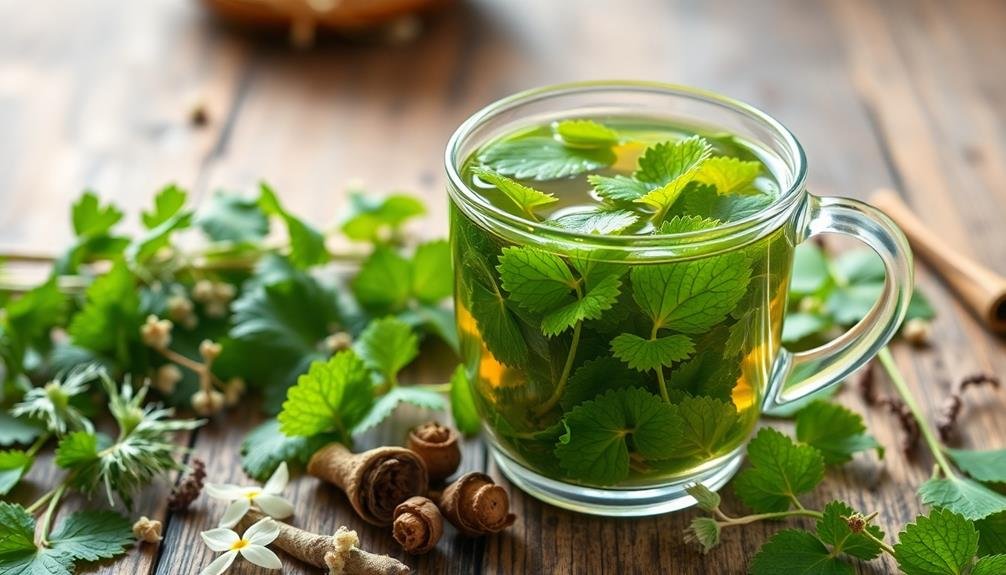
For centuries, nettle leaf has been prized for its remarkable properties. This versatile plant, scientifically known as Urtica dioica, boasts a rich nutritional profile that makes it an excellent addition to your diet. You'll find that nettle leaves are packed with vitamins A, C, and K, as well as essential minerals like iron, calcium, and magnesium.
One of nettle's most notable features is its high content of antioxidants, which help protect your body from harmful free radicals. These compounds contribute to nettle's anti-inflammatory properties, making it potentially beneficial for various health conditions.
You'll also appreciate nettle's natural diuretic effects, which can support kidney function and promote detoxification. Nettle leaf contains compounds that may help regulate blood sugar levels and improve insulin sensitivity.
It's also known for its ability to support prostate health in men and alleviate symptoms of benign prostatic hyperplasia. Additionally, nettle's anti-allergenic properties make it a popular natural remedy for seasonal allergies and hay fever.
When you brew nettle leaf tea, you're tapping into these diverse benefits, making it a powerful addition to your wellness routine.
Benefits for Digestive Health
If you're looking to improve your digestive health, nettle leaf tea offers some notable benefits.
You'll find that this herbal brew can help reduce bloating and gas, easing common digestive discomforts.
Additionally, nettle leaf tea supports a healthy balance of gut flora, which is essential for overall digestive function and well-being.
Reduces Bloating and Gas
Discomfort from bloating and gas can be a thing of the past with nettle leaf tea. This natural remedy works wonders for your digestive system, helping to alleviate the uncomfortable symptoms that often plague many people.
Nettle leaf tea's anti-inflammatory properties and natural diuretic effects contribute to its ability to reduce bloating and gas.
When you drink nettle leaf tea regularly, you'll notice a decrease in abdominal discomfort and a smoother digestive process.
The tea helps by:
- Stimulating the production of digestive enzymes
- Reducing inflammation in the gut
- Promoting healthy bacterial balance in your intestines
- Enhancing the body's natural detoxification processes
Supports Gut Flora Balance
Nettle leaf tea's benefits extend beyond bloating relief to support overall gut health. This herbal brew can help maintain a balanced gut microbiome, which is vital for proper digestion and immune function. The tea's polyphenols and other compounds act as prebiotics, nourishing beneficial bacteria in your intestines.
By promoting a diverse gut flora, nettle leaf tea can enhance nutrient absorption and reduce the risk of digestive disorders. It may also help combat harmful bacteria and yeasts that can disrupt your gut's balance. Regular consumption of this tea can contribute to a healthier digestive system and improved overall well-being.
| Gut Health Benefits | How Nettle Tea Helps |
|---|---|
| Prebiotic support | Feeds good bacteria |
| Microbial balance | Inhibits harmful microbes |
| Nutrient absorption | Enhances gut function |
To maximize the gut flora benefits of nettle leaf tea, aim to drink it consistently. Start with one cup daily and gradually increase to two or three cups if desired. You'll likely notice improvements in your digestion and overall gut health within a few weeks of regular consumption. Remember, a healthy gut is key to a healthy body, and nettle leaf tea can be a valuable addition to your digestive wellness routine.
Brewing the Perfect Cup

To brew the perfect cup of nettle leaf tea, you'll need to pay attention to a few key factors. Start with high-quality dried nettle leaves, preferably organic and sustainably harvested. Use fresh, cold water and bring it to just below boiling point, around 200°F (93°C). This temperature helps extract the beneficial compounds without scorching the delicate leaves.
For a standard cup, use about 1-2 teaspoons of dried nettle leaves per 8 ounces of water. If you're using fresh leaves, double the amount. Steep the tea for 5-10 minutes, depending on your desired strength. Remember, longer steeping times will result in a stronger, more bitter flavor.
Here's a quick guide to enhance your nettle tea experience:
- Add a slice of lemon or a teaspoon of honey to balance the earthy flavor.
- Combine nettle with other herbs like peppermint or chamomile for added benefits.
- Try cold brewing by steeping the leaves in cold water for 4-6 hours.
- Use a fine mesh strainer or tea infuser to prevent loose leaves in your cup.
Experiment with these methods to find your perfect cup of nettle leaf tea.
Optimal Consumption Guidelines
Establishing a healthy consumption routine is key to maximizing the benefits of nettle leaf tea. Start by incorporating one cup of nettle tea into your daily routine, preferably in the morning or early afternoon. This allows your body to absorb the nutrients and experience the tea's digestive benefits throughout the day.
For best results, drink nettle tea on an empty stomach, about 30 minutes before meals. This timing enhances its ability to stimulate digestive enzymes and improve nutrient absorption. If you're new to nettle tea, begin with a weaker brew and gradually increase the strength as your body adjusts.
While nettle tea is generally safe, it's best to limit your intake to 3-4 cups per day. Excessive consumption may lead to mild side effects like stomach upset or frequent urination. If you're pregnant, breastfeeding, or taking medications, consult your healthcare provider before adding nettle tea to your diet.
Remember to stay hydrated by drinking plenty of water alongside your nettle tea. This helps flush out toxins and supports the tea's detoxifying properties.
Combining With Other Herbs
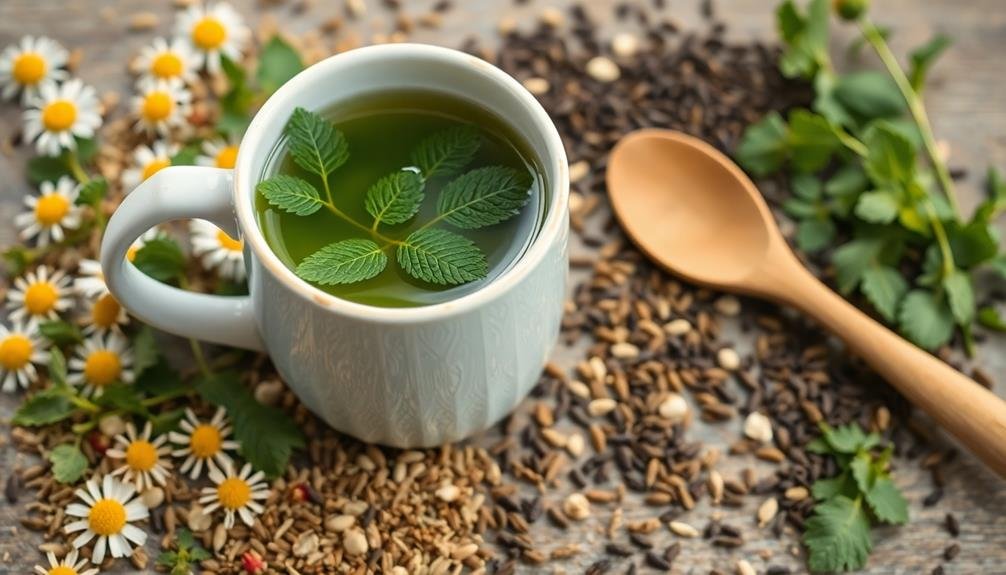
You can enhance the benefits and taste of nettle leaf tea by combining it with other herbs.
Consider pairing nettle with complementary herbs like peppermint for digestion or chamomile for relaxation.
Experiment with different combinations to create synergistic blends that not only boost the tea's therapeutic effects but also elevate its flavor profile.
Complementary Herb Pairings
While nettle leaf tea is delightful on its own, combining it with complementary herbs can enhance its flavor profile and potential health benefits. You'll find that certain herbs pair exceptionally well with nettle, creating a more robust and enjoyable tea experience.
By experimenting with different combinations, you can tailor your tea to your specific tastes and health goals.
Some popular herb pairings for nettle leaf tea include:
- Peppermint: This invigorating herb adds a cooling sensation and can help soothe digestive discomfort.
- Chamomile: Known for its calming properties, chamomile can complement nettle's earthy flavor and promote relaxation.
- Dandelion root: This herb supports liver function and can enhance nettle's detoxifying properties.
- Lemon balm: With its citrusy notes, lemon balm can brighten the flavor of nettle tea while potentially reducing stress.
When combining herbs, start with a 2:1 ratio of nettle to your chosen complementary herb. You can adjust this ratio to suit your preferences.
Remember that some herbs may have their own potential side effects or interactions, so it's always wise to consult with a healthcare professional before incorporating new herbal combinations into your routine.
Synergistic Digestive Blends
Herbalists have long recognized the power of synergistic blends for digestive health. When you combine nettle leaf tea with other herbs, you can enhance its digestive benefits and create powerful remedies for various gastrointestinal issues.
Try mixing nettle with peppermint to soothe an upset stomach and reduce bloating. The cooling properties of peppermint complement nettle's anti-inflammatory effects, providing quick relief.
For indigestion, blend nettle with fennel seeds. This combination helps stimulate digestive enzymes and reduces gas.
If you're dealing with acid reflux, pair nettle with marshmallow root. The mucilaginous properties of marshmallow root coat and protect the esophagus, while nettle reduces inflammation.
For constipation, mix nettle with dandelion root. This blend supports liver function and promotes gentle, natural bowel movements.
To boost overall digestive health, create a blend of nettle, ginger, and chamomile. Ginger aids in digestion and reduces nausea, while chamomile calms the digestive tract. This powerful trio can help improve nutrient absorption and maintain a healthy gut flora balance.
Remember to start with small amounts when trying new blends, and consult a healthcare professional if you have ongoing digestive issues.
Flavor Enhancement Combinations
Elevate your nettle leaf tea experience by exploring delightful flavor combinations with other herbs. While nettle leaf tea has a mild, earthy taste on its own, blending it with complementary herbs can create a more complex and enjoyable beverage.
You'll find that certain combinations not only enhance the flavor but also boost the overall health benefits of your tea.
Consider these popular herb pairings to create your perfect nettle leaf tea blend:
- Peppermint: Adds an invigorating, cooling sensation and aids digestion.
- Lemon balm: Imparts a light citrusy flavor and promotes relaxation.
- Chamomile: Contributes a sweet, floral note and supports better sleep.
- Ginger: Provides a spicy kick and enhances digestive properties.
When experimenting with these combinations, start with a 2:1 ratio of nettle to your chosen herb. You can adjust the proportions to suit your taste preferences.
Don't be afraid to mix multiple herbs for a more intricate flavor profile. Remember, the key is to find a balance that pleases your palate while maintaining the nutritional benefits of nettle leaf tea.
Potential Side Effects
Caution should be exercised when consuming nettle leaf tea, as it can have potential side effects. While generally safe for most people, you might experience mild stomach upset, diarrhea, or temporary fluid retention when first introducing it to your diet.
If you're allergic to plants in the Urticaceae family, you should avoid nettle tea altogether.
Be aware that nettle can interact with certain medications. It may interfere with blood thinners, diabetes medications, and diuretics. If you're taking any prescription drugs, consult your healthcare provider before adding nettle tea to your routine.
Pregnant women should also exercise caution, as nettle can stimulate uterine contractions.
In rare cases, you might experience more severe side effects like hives, swelling, or difficulty breathing. If you notice these symptoms, discontinue use immediately and seek medical attention.
Additionally, nettle can lower blood pressure, so if you already have low blood pressure, monitor your levels closely when drinking this tea.
Sourcing Quality Nettle Leaves
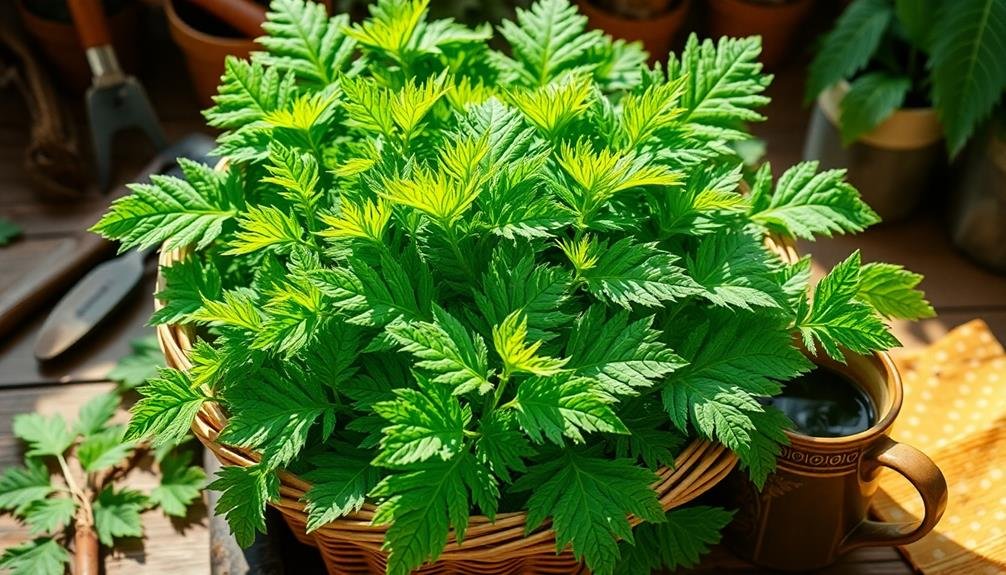
Sourcing high-quality nettle leaves is essential for enjoying the full benefits of nettle tea. When looking for nettle leaves, prioritize organic sources to avoid pesticides and other harmful chemicals. You'll find nettle leaves in various forms, including dried leaves, tea bags, and fresh leaves. Each option has its advantages, but dried leaves often offer the best balance of convenience and potency.
To guarantee you're getting the best quality nettle leaves, consider these factors:
- Origin: Look for leaves sourced from regions known for their high-quality nettles, such as Eastern Europe or North America.
- Harvesting time: The best nettle leaves are harvested in spring before the plant flowers, when their nutrient content is highest.
- Storage: Properly stored nettle leaves should be kept in airtight containers away from light and moisture to preserve their potency.
- Certifications: Look for organic, non-GMO, or other quality certifications from reputable organizations.
When purchasing nettle leaves, opt for trusted brands or local herbalists who can provide information about their sourcing practices.
If you're foraging for fresh nettles, guarantee you're picking from uncontaminated areas and wear protective gloves to avoid stings.
Historical Use in Medicine
You'll find nettle leaf deeply rooted in ancient herbal traditions, where it was prized for its medicinal properties.
In traditional European medicine, nettle was used to treat a wide range of ailments, from arthritis to allergies.
Its long-standing reputation as a healing herb has persisted through centuries, making it a staple in many folk remedies and early medical practices.
Ancient Herbal Traditions
Nettle leaf tea boasts a rich history in ancient herbal traditions, with its medicinal use dating back thousands of years.
You'll find references to nettle in various ancient texts, from Greek and Roman medical writings to traditional Chinese medicine. In these cultures, nettle was revered for its ability to treat a wide range of ailments, including digestive issues, joint pain, and urinary problems.
Ancient healers recognized nettle's unique properties and incorporated it into their holistic approaches to health. They'd often combine nettle with other herbs to create powerful remedies.
Here are four ways ancient cultures used nettle:
- As a spring tonic to cleanse the body
- To treat arthritis and gout
- For alleviating allergies and respiratory issues
- To support kidney and urinary tract health
You can tap into this ancient wisdom by incorporating nettle leaf tea into your daily routine.
By doing so, you're not only enjoying a delicious beverage but also connecting with centuries of herbal knowledge.
Traditional European Medicine
Traditional European medicine has long embraced nettle leaf tea as a cornerstone of herbal healing. You'll find its roots deeply embedded in the practices of medieval monasteries and folk remedies passed down through generations. Nettle tea was prized for its ability to cleanse the blood, ease joint pain, and support overall wellness.
In the 16th and 17th centuries, European herbalists documented nettle's medicinal properties extensively. They prescribed it for everything from allergies to urinary tract issues. You'd often see it recommended as a spring tonic to rejuvenate the body after long winters.
Here's a glimpse into nettle's traditional European uses:
| Ailment | Preparation | Believed Benefit |
|---|---|---|
| Arthritis | Strong infusion | Reduced inflammation |
| Anemia | Daily tea | Increased iron absorption |
| Allergies | Cold brew | Antihistamine effects |
As modern medicine evolved, nettle tea remained a staple in European households. You'll still find it widely used today, particularly in Germany and Eastern Europe, where it's often prescribed alongside conventional treatments. Its enduring popularity is a reflection of nettle's effectiveness and the wisdom of traditional European medicine.
Scientific Research on Efficacy

In light of nettle leaf tea's long-standing popularity, researchers have conducted numerous studies to examine its potential health benefits.
Scientific evidence supports many of the traditional uses of nettle leaf tea, particularly for digestive health and inflammation reduction.
Studies have shown that nettle leaf extract can help reduce inflammation in the digestive tract, potentially alleviating symptoms of conditions like irritable bowel syndrome (IBS) and inflammatory bowel disease (IBD).
You'll also find research supporting nettle leaf tea's ability to act as a natural diuretic, which may help flush toxins from your body and support kidney function.
Here are four key areas where scientific research has shown promise for nettle leaf tea:
- Reducing inflammation and joint pain in arthritis patients
- Lowering blood pressure and improving cardiovascular health
- Supporting prostate health in men
- Alleviating allergy symptoms, particularly hay fever
While more research is needed to fully understand the extent of nettle leaf tea's benefits, the existing scientific evidence is encouraging.
You can feel confident that this natural remedy has both traditional wisdom and modern scientific backing to support its use for digestive health and overall well-being.
Incorporating Into Daily Routine
Three simple steps can help you incorporate nettle leaf tea into your daily routine.
First, choose a consistent time to drink your tea. Many people prefer mornings, as nettle leaf tea can provide a gentle energy boost without caffeine. Others opt for evening consumption to aid digestion before bed. Experiment to find what works best for you.
Second, prepare your tea properly. Use one to two teaspoons of dried nettle leaves per cup of hot water. Steep for 5-10 minutes, then strain. You can add honey or lemon for flavor if desired.
For convenience, brew a larger batch and store it in the refrigerator for up to three days.
Frequently Asked Questions
Can Nettle Leaf Tea Help With Weight Loss?
Yes, nettle leaf tea may aid in weight loss. It's a natural diuretic that can reduce water retention and bloating. It also supports metabolism and may help regulate blood sugar levels, potentially curbing cravings and overeating.
Is Nettle Leaf Tea Safe for Pregnant or Breastfeeding Women?
You should avoid nettle leaf tea during pregnancy and breastfeeding. It can affect hormones and potentially cause complications. Always consult your healthcare provider before consuming any herbal teas when you're pregnant or nursing your baby.
How Does Nettle Leaf Tea Compare to Over-The-Counter Digestive Medications?
You'll find nettle leaf tea offers a gentler, natural alternative to OTC digestive meds. It's less likely to cause side effects and can be used long-term. However, it may not be as fast-acting for acute symptoms.
Can Children Drink Nettle Leaf Tea for Digestive Issues?
You should consult a pediatrician before giving nettle tea to children. While it's generally safe for adults, kids may be more sensitive to its effects. There are child-specific digestive remedies that might be more appropriate.
Does Nettle Leaf Tea Interact With Any Prescription Medications?
You should be cautious when drinking nettle leaf tea if you're on medication. It can interact with blood thinners, diabetes drugs, and blood pressure medications. Always consult your doctor before combining nettle tea with prescriptions.
In Summary
You've now got the knowledge to harness nettle leaf tea's digestive benefits. Remember to brew it properly, stick to recommended dosages, and consider pairing it with complementary herbs. Choose high-quality leaves and incorporate this natural remedy into your daily routine. While backed by traditional use and some scientific research, it's always wise to consult your healthcare provider. Embrace nettle leaf tea as a potential ally in your digestive health journey.

Leave a Reply