

You can safely enjoy several mint-free teas during pregnancy. Ginger tea is excellent for morning sickness, while chamomile and lavender promote relaxation. For a caffeine-free option, try rooibos or lemon balm tea. In late pregnancy, raspberry leaf tea may help prepare your body for labor. Fennel and lemongrass teas can ease digestive discomfort. Don't forget about pregnancy-safe herbal blends that combine these beneficial ingredients. Always consult your healthcare provider before adding new teas to your diet, as they can advise on appropriate amounts and any potential risks. There's a whole world of soothing, flavorful options waiting for you to explore.
Ginger Tea for Morning Sickness

During pregnancy, ginger tea can be a game-changer for managing morning sickness. This natural remedy has been used for centuries to alleviate nausea and vomiting, common symptoms experienced by many expectant mothers. Ginger contains compounds that help relax the digestive system and reduce inflammation, providing relief from queasiness.
To prepare ginger tea, you can steep fresh ginger slices or use ginger tea bags in hot water. For a more potent brew, simmer ginger root in water for 10-15 minutes. You can enhance the flavor by adding a squeeze of lemon or a touch of honey.
It's best to start with small amounts and gradually increase your intake to avoid any potential side effects. While ginger tea is generally considered safe during pregnancy, it's crucial to consume it in moderation. Aim for no more than 1 gram of ginger per day, which is equivalent to about one cup of strong ginger tea.
If you have any concerns or pre-existing health conditions, consult your healthcare provider before incorporating ginger tea into your daily routine. Remember, every pregnancy is unique, so listen to your body and adjust accordingly.
Chamomile for Relaxation
You'll find chamomile tea can be a soothing ally during pregnancy, offering relaxation benefits and potentially aiding sleep.
To brew, steep one chamomile tea bag in hot water for 3-5 minutes, and enjoy it warm or iced.
While generally considered safe, it's essential to consult your healthcare provider before incorporating chamomile tea into your pregnancy routine, as some studies suggest it may increase the risk of miscarriage in large quantities.
Benefits During Pregnancy
Throughout pregnancy, chamomile tea offers a soothing respite for expectant mothers. You'll find that this caffeine-free herbal tea can help alleviate common pregnancy discomforts.
It's known for its calming properties, which can ease anxiety and promote better sleep—both essential during pregnancy. Chamomile's anti-inflammatory effects may help reduce swelling in your feet and ankles, a common issue as your pregnancy progresses.
You might also experience relief from digestive problems like nausea and bloating, as chamomile can aid in digestion and reduce stomach acid. This gentle herb can support your immune system, helping you fight off colds and infections more effectively.
It's also rich in antioxidants, which protect your cells from damage and may contribute to your baby's overall health. However, it's important to consume chamomile in moderation.
While generally considered safe, excessive intake might stimulate uterine contractions. Always consult your healthcare provider before adding any herbal tea to your pregnancy diet. They can advise on the appropriate amount and frequency of consumption, ensuring you reap the benefits without any potential risks.
Brewing and Serving Tips
To brew the perfect cup of chamomile tea for relaxation, start with three key steps.
First, use fresh, high-quality chamomile flowers or tea bags.
Second, heat water to just below boiling (about 200°F).
Third, steep for 5-7 minutes to extract the full flavor and benefits.
When serving, consider these tips to enhance your relaxation experience:
- Use a cozy mug that feels comfortable in your hands
- Add a slice of lemon or a touch of honey for extra flavor
- Sip slowly and mindfully, focusing on the aroma and taste
- Find a quiet, comfortable spot to enjoy your tea
- Pair your tea with calming activities like reading or gentle stretching
Potential Safety Concerns
While chamomile tea is generally considered safe for most pregnant women, it's important to be aware of potential risks. Some studies suggest that chamomile may have mild anticoagulant properties, which could potentially interfere with blood clotting. If you're at risk for complications or taking blood-thinning medications, consult your healthcare provider before consuming chamomile tea.
Additionally, chamomile is part of the daisy family, so if you have allergies to related plants like ragweed or chrysanthemums, you might experience an allergic reaction. It's best to avoid chamomile if you have these allergies.
Be cautious about the source and quality of your chamomile tea. Guarantee you're purchasing from reputable brands that follow strict quality control measures. Some herbal teas may contain contaminants or additives that could be harmful during pregnancy.
Lastly, moderation is key. While chamomile is generally safe, excessive consumption of any herbal tea during pregnancy isn't recommended. Limit your intake to 1-2 cups per day, and if you experience any unusual symptoms after drinking chamomile tea, discontinue use and consult your healthcare provider immediately.
Rooibos: A Caffeine-Free Option

If you're looking for a caffeine-free alternative during pregnancy, rooibos tea is an excellent choice. This South African herbal tea isn't just free of caffeine; it's also packed with antioxidants and minerals that can benefit both you and your developing baby.
Rooibos tea offers several advantages for expectant mothers:
- Low in tannins, making it less likely to interfere with iron absorption
- Rich in antioxidants, which may help protect against cell damage
- Contains minerals like calcium and manganese, supporting bone health
- May help reduce inflammation and boost your immune system
- Has a naturally sweet flavor, reducing the need for added sugars
You can enjoy rooibos tea hot or cold, and it's versatile enough to be used in various recipes. Its smooth, slightly nutty taste makes it a popular choice for those who want to avoid caffeine without sacrificing flavor.
Remember to consult your healthcare provider before adding any new tea to your diet during pregnancy. While rooibos is generally considered safe, it's always best to err on the side of caution and get professional advice tailored to your specific situation.
Lemon Balm for Stress Relief
Lemon balm, another caffeine-free option, offers unique benefits for pregnant women, particularly in stress relief. This herb has been used for centuries to promote relaxation and reduce anxiety. During pregnancy, when you're dealing with hormonal changes and new stressors, lemon balm tea can be a soothing ally.
Research suggests that lemon balm may help improve mood and cognitive function. It's also known for its mild sedative effects, which can aid in better sleep quality—a common challenge during pregnancy. You'll find that sipping on lemon balm tea can provide a calming moment in your day, helping you manage pregnancy-related stress more effectively.
Here's a quick reference guide for lemon balm tea:
| Benefit | How It Helps | When to Drink | Precautions |
|---|---|---|---|
| Stress Relief | Reduces anxiety | Anytime | Consult doctor |
| Better Sleep | Mild sedative effect | Before bedtime | Avoid with thyroid issues |
| Digestive Aid | Soothes stomach | After meals | Limit intake |
| Mood Booster | Improves cognitive function | Morning or afternoon | Not for severe depression |
Remember to drink lemon balm tea in moderation and always consult with your healthcare provider before adding any new herbal teas to your pregnancy diet.
Raspberry Leaf in Late Pregnancy

Raspberry leaf tea becomes particularly beneficial as you approach the final stages of pregnancy. This herbal infusion has been used for centuries to support women during pregnancy and childbirth. It's rich in nutrients like iron, calcium, and magnesium, which are vital for both you and your growing baby.
As you enter your third trimester, consider incorporating raspberry leaf tea into your daily routine. It's believed to:
- Strengthen the uterine muscles
- Increase the effectiveness of contractions during labor
- Potentially shorten labor duration
- Reduce the risk of postpartum hemorrhage
- Ease morning sickness and nausea
Start with one cup a day and gradually increase to three cups daily as you near your due date. However, it's important to consult your healthcare provider before adding any new herbal tea to your diet, especially during pregnancy.
While raspberry leaf tea is generally considered safe for most pregnant women, some may experience side effects like Braxton Hicks contractions or loose stools.
If you notice any unusual symptoms, stop drinking the tea and consult your doctor immediately. Remember, every pregnancy is unique, so what works for others may not be suitable for you.
Nettle Tea's Nutritional Benefits
Nettle tea offers a wealth of essential nutrients that can support your pregnancy health.
You'll find it's packed with iron, calcium, and vitamins A and C, which are vital for both you and your developing baby.
However, be aware that nettle tea may have potential side effects, so it's important to consult your healthcare provider before incorporating it into your prenatal routine.
Rich in Essential Nutrients
During pregnancy, you'll want to confirm you're getting all the essential nutrients for both you and your growing baby. Nettle tea can be an excellent addition to your diet, as it's packed with crucial nutrients that support your health and your baby's development.
This herbal tea is particularly rich in:
- Iron, which helps prevent anemia and supports fetal growth
- Calcium, necessary for bone development
- Vitamin K, important for blood clotting
- Magnesium, which aids in muscle and nerve function
- Vitamin C, boosting your immune system
You'll find that nettle tea offers more than just hydration. It's a natural source of these nutrients in an easily absorbable form. By incorporating nettle tea into your daily routine, you're providing your body with a nutrient boost that can complement your prenatal vitamins and diet.
Remember to consult your healthcare provider before adding any new herbal teas to your pregnancy diet. They can advise on the appropriate amount and frequency of consumption to confirm you're reaping the benefits without any potential risks.
With their approval, you can enjoy the nutritional advantages of nettle tea throughout your pregnancy journey.
Supports Pregnancy Health
Frequently, expectant mothers seek natural ways to support their pregnancy health, and nettle tea offers a range of benefits. You'll find that this herbal infusion can help reduce the risk of anemia, a common concern during pregnancy. Nettle tea's high iron content supports healthy blood production, ensuring both you and your baby receive adequate oxygen.
You'll also appreciate nettle tea's ability to alleviate pregnancy-related discomforts. It acts as a natural diuretic, helping to reduce water retention and swelling in your hands and feet. The tea's anti-inflammatory properties may ease joint pain and muscle aches that often accompany pregnancy.
Nettle tea can boost your immune system, thanks to its high vitamin C content. This added protection is essential during pregnancy when your body is more susceptible to infections.
Additionally, the tea's calcium and magnesium content support your baby's developing bones and teeth while maintaining your own bone health.
Lastly, nettle tea may help regulate blood sugar levels, reducing the risk of gestational diabetes. Its natural insulin-like properties can assist in maintaining stable glucose levels throughout your pregnancy.
Potential Side Effects
Despite its numerous benefits, nettle tea can come with potential side effects that you should be aware of during pregnancy. While generally considered safe, it's crucial to consume nettle tea in moderation and consult your healthcare provider before incorporating it into your diet.
Some potential side effects of nettle tea during pregnancy include:
- Increased risk of miscarriage (when consumed in large quantities)
- Mild stomach upset or digestive discomfort
- Allergic reactions in some individuals
- Interactions with certain medications
- Possible blood sugar fluctuations
It's important to note that these side effects are rare when nettle tea is consumed in moderation. However, if you experience any unusual symptoms after drinking nettle tea, discontinue use and consult your doctor immediately.
Remember that everyone's body reacts differently, and what works for one pregnant woman may not be suitable for another.
Always listen to your body and prioritize your health and the health of your developing baby. If you're unsure about consuming nettle tea or any other herbal tea during pregnancy, it's best to err on the side of caution and seek professional medical advice.
Dandelion Root for Liver Support

Dandelion root tea offers three key benefits for pregnant women seeking liver support. First, it's a natural diuretic, helping to flush out toxins and reduce water retention. This can alleviate swelling and discomfort common during pregnancy.
Second, dandelion root is rich in antioxidants, which protect your liver cells from damage and support overall liver function.
Third, it stimulates bile production, aiding in digestion and promoting better nutrient absorption.
When you're pregnant, your liver works overtime to process hormones and filter toxins. Dandelion root tea can give it a gentle boost without the caffeine or strong herbs found in other teas.
It's also packed with vitamins A, C, and K, as well as minerals like iron and potassium, which are essential for your growing baby.
To enjoy dandelion root tea safely, start with small amounts and consult your healthcare provider first.
While it's generally considered safe, some women may experience mild side effects like increased urination or stomach discomfort.
Remember to choose organic, high-quality dandelion root tea to avoid any potential contaminants.
Hibiscus for Antioxidant Properties
Hibiscus tea offers a wealth of antioxidants, particularly vitamin C, which can support your immune system during pregnancy.
You'll find that this vibrant, tart beverage may also help manage blood pressure, a common concern for expectant mothers.
However, it's essential to consult your healthcare provider before incorporating hibiscus tea into your pregnancy diet, as some studies suggest it might affect estrogen levels.
Rich in Vitamin C
When you're expecting, boosting your vitamin C intake is essential for both you and your baby. Hibiscus tea is an excellent source of this important nutrient, offering a rejuvenating and caffeine-free alternative to other beverages.
You'll find that this vibrant red tea not only tastes delicious but also provides numerous health benefits during pregnancy.
Drinking hibiscus tea can help you meet your daily vitamin C requirements, which are significant for:
- Supporting your immune system
- Aiding in iron absorption
- Promoting collagen production
- Assisting in wound healing
- Protecting cells from oxidative stress
Potential Blood Pressure Benefits
In addition to its vitamin C content, hibiscus tea offers potential blood pressure benefits due to its rich antioxidant properties. Studies suggest that regular consumption of hibiscus tea may help lower both systolic and diastolic blood pressure. This makes it a potentially beneficial choice for pregnant women who are monitoring their blood pressure levels.
The antioxidants in hibiscus tea, particularly anthocyanins, may help relax blood vessels and reduce inflammation. However, it's essential to consult your healthcare provider before incorporating hibiscus tea into your pregnancy diet, as individual health needs can vary.
Here's a quick guide to hibiscus tea's potential benefits and considerations:
| Benefit | How It Helps | Precautions |
|---|---|---|
| Blood Pressure Control | Relaxes blood vessels | Monitor blood pressure regularly |
| Antioxidant Boost | Fights free radicals | Don't exceed recommended intake |
| Mild Diuretic Effect | May reduce fluid retention | Stay hydrated with water |
| Vitamin C Source | Supports immune system | Balance with other nutrient sources |
| Caffeine-Free Option | Provides a soothing, hydrating drink | Avoid if sensitive to hibiscus |
Remember to enjoy hibiscus tea in moderation and always prioritize a balanced, nutritious diet during pregnancy.
Rosehip Tea's Vitamin C Boost

Rosehip tea's high vitamin C content makes it an excellent choice for pregnant women. This antioxidant-rich beverage can help boost your immune system and support your body's collagen production, which is essential for your baby's developing tissues. You'll find that rosehip tea offers a tart, fruity flavor that's invigorating and caffeine-free.
During pregnancy, vitamin C becomes even more important for various reasons:
- It aids in iron absorption, helping prevent anemia
- It supports the development of your baby's bones and teeth
- It strengthens your immune system to fight off infections
- It helps your body produce collagen for skin elasticity
- It acts as an antioxidant, protecting cells from damage
When brewing rosehip tea, steep the dried rosehips in hot water for 5-10 minutes. You can enjoy it hot or iced, and it's safe to drink 1-3 cups daily.
However, it's always best to consult your healthcare provider before adding any new herbal teas to your diet during pregnancy. They'll consider your individual health needs and confirm that rosehip tea is a safe addition to your prenatal nutrition plan.
Fennel for Digestive Comfort
Another excellent tea option for pregnant women is fennel. This aromatic herb has been used for centuries to aid digestion and alleviate stomach discomfort. During pregnancy, you might experience increased digestive issues, making fennel tea a soothing choice.
Fennel tea can help reduce bloating, gas, and indigestion, which are common pregnancy-related complaints. It's also known to ease heartburn and nausea, providing relief from morning sickness. The tea's mild licorice-like flavor is generally well-tolerated and can be a pleasant alternative to other beverages.
You'll find that fennel tea is caffeine-free, making it safe to consume throughout your pregnancy. It's rich in antioxidants and contains vitamins A, C, and E, which support your immune system and overall health. Some studies suggest that fennel may help increase milk production, which could be beneficial if you plan to breastfeed.
To prepare fennel tea, steep 1-2 teaspoons of crushed fennel seeds in hot water for 5-10 minutes. You can enjoy it hot or iced, and it's safe to drink 2-3 cups daily.
As with any herbal tea, consult your healthcare provider before adding it to your routine.
Lemongrass: A Citrusy Alternative
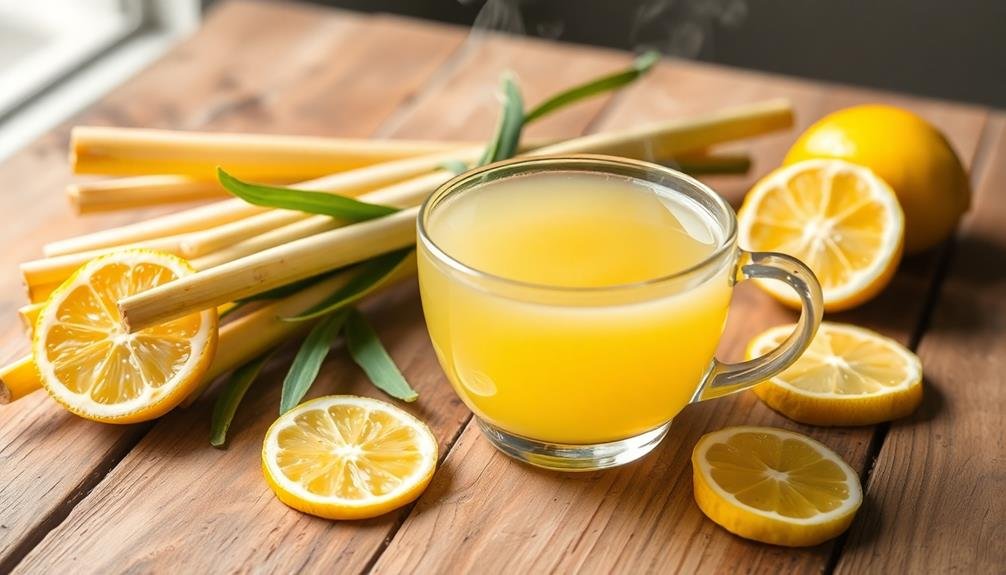
Lemongrass's bright, citrusy flavor makes it a revitalizing alternative for pregnant women seeking mint-free teas. This herb is known for its invigorating taste and potential health benefits, making it a popular choice during pregnancy.
When you're expecting, lemongrass tea can offer several advantages:
- Aids digestion and relieves nausea
- Contains antioxidants that support overall health
- May help reduce inflammation in the body
- Can promote relaxation and reduce stress
- Provides a caffeine-free energy boost
You'll find lemongrass tea easy to prepare and enjoy. Simply steep dried lemongrass or fresh stalks in hot water for 5-10 minutes. If you're using fresh lemongrass, crush the stalks slightly to release more flavor. You can drink it hot or iced, depending on your preference.
While lemongrass is generally considered safe during pregnancy, it's always best to consult your healthcare provider before adding any new herbal teas to your diet. They can advise you on appropriate serving sizes and frequency of consumption.
As with any herbal tea, moderation is key. Enjoy lemongrass tea as part of a balanced, pregnancy-friendly diet for an invigorating and potentially beneficial beverage option.
Lavender for Better Sleep
While lemongrass offers an energizing option, pregnant women often seek teas that promote relaxation and better sleep. Lavender tea can be an excellent choice for expectant mothers looking to unwind and improve their sleep quality.
Lavender's calming properties make it a popular herb for relaxation. When brewed as a tea, it can help reduce anxiety, promote better sleep, and ease tension. It's generally considered safe for pregnant women when consumed in moderation.
Here's a quick guide to lavender tea benefits, preparation, and precautions:
| Aspect | Details | Notes |
|---|---|---|
| Benefits | Relaxation, better sleep, reduced anxiety | Helps with pregnancy-related stress |
| Preparation | Steep 1 tsp dried lavender in hot water for 5-7 minutes | Use organic, food-grade lavender |
| Precautions | Limit to 1-2 cups daily | Consult your healthcare provider first |
When brewing lavender tea, you can combine it with other pregnancy-safe herbs like chamomile or lemon balm for added flavor and benefits. Remember to listen to your body and discontinue use if you experience any adverse reactions. As with any herbal tea during pregnancy, it's best to consult your healthcare provider before incorporating lavender tea into your routine.
Pregnancy-Safe Herbal Tea Blends

Many pregnant women find comfort and enjoyment in herbal tea blends that combine multiple pregnancy-safe ingredients. These carefully crafted combinations offer a variety of flavors and potential benefits without the risks associated with certain herbs during pregnancy.
When choosing a pregnancy-safe herbal tea blend, look for options that include:
- Ginger root
- Lemon balm
- Rooibos
- Rosehip
- Chamomile (in moderation)
These ingredients are generally considered safe for expectant mothers and can provide various benefits. Ginger may help alleviate nausea, while lemon balm can promote relaxation. Rooibos is caffeine-free and rich in antioxidants, and rosehip offers a natural source of vitamin C.
You'll want to avoid blends containing licorice root, as it may affect blood pressure. Also, steer clear of teas with hibiscus, which can stimulate uterine contractions.
Always check the ingredient list carefully and consult your healthcare provider before introducing new herbal teas into your pregnancy diet.
Remember to enjoy these blends in moderation, limiting yourself to 1-2 cups per day. By choosing pregnancy-safe herbal tea blends, you can savor a comforting beverage while supporting your health during this special time.
Frequently Asked Questions
Can Pregnant Women Drink Decaffeinated Black or Green Tea?
Yes, you can safely drink decaffeinated black or green tea during pregnancy. They're low in caffeine and rich in antioxidants. However, it's best to limit your intake and consult your doctor for personalized advice on tea consumption.
Are There Any Teas That Can Help With Pregnancy-Related Constipation?
You can try ginger tea, chamomile tea, or rooibos tea to help with pregnancy-related constipation. These caffeine-free options may soothe your digestive system and promote regularity. Always consult your healthcare provider before adding new teas to your diet.
How Much Herbal Tea Is Safe to Consume During Pregnancy?
You should limit your herbal tea consumption during pregnancy. It's best to stick to 1-2 cups daily. Always consult your healthcare provider, as some herbs can be harmful. Opt for pregnancy-safe teas and avoid unknown blends.
Can I Drink Iced Herbal Teas During Pregnancy?
You can drink iced herbal teas during pregnancy, but be cautious. Stick to safe herbs like ginger, chamomile, or rooibos. Avoid teas with caffeine or unsafe herbs. Always consult your doctor before trying new beverages while pregnant.
Are There Any Teas That Can Help Increase Breast Milk Production?
You'll find several teas that may boost milk production. Try fenugreek, fennel, or blessed thistle tea. Stinging nettle and moringa can also help. Always consult your doctor before adding new herbs to your diet while breastfeeding.
In Summary
You've got plenty of delicious, mint-free tea options to enjoy during pregnancy. Remember to always consult your healthcare provider before trying new herbal teas. Stick to moderate amounts and avoid teas with unknown ingredients. With these safe choices, you'll be able to relax, ease discomfort, and stay hydrated throughout your pregnancy. Don't forget to savor the experience – brewing a cup of tea can be a calming ritual as you prepare for your little one's arrival.


Leave a Reply