
You’re looking to grow Tulsi for tea, but you’re not sure which seed packet will actually deliver results. With options ranging from 100 to 3,250 seeds, organic certifications, and varying germination rates, choosing the right one matters. The difference between a thriving garden and disappointing yields often comes down to one essential factor you’ve probably overlooked.
| Tulsi Holy Basil Seeds 3,250 Premium Pack |  | Premium Pack Winner | Seed Count: 3,250 seeds | Seed Quality/Type: Premium, selected for strong germination | Germination Timeline: Not specified | CHECK ON AMAZON | Read Our Analysis |
| Organic Holy Basil Seeds ‘Tulsi’ (Two Packets) |  | Best Value Bundle | Seed Count: 1,706+ seeds | Seed Quality/Type: Organic, open-pollinated, non-GMO | Germination Timeline: High germination potential (timeline not specified) | CHECK ON AMAZON | Read Our Analysis |
| Seed Needs Holy Basil Tulsi Seeds for Planting |  | Most Informative Guide | Seed Count: Not specified | Seed Quality/Type: Non-GMO, open-pollinated & heirloom majority | Germination Timeline: ~2 weeks | CHECK ON AMAZON | Read Our Analysis |
| Sow Right Seeds Holy Basil Tulsi Heirloom Seeds |  | Best for Sustainability | Seed Count: ~750 seeds (400 mg minimum) | Seed Quality/Type: Non-GMO heirloom, open-pollinated | Germination Timeline: 5-10 days | CHECK ON AMAZON | Read Our Analysis |
| Holy Basil Seed for Planting – Non-GMO Heirloom |  | Best for Beginners | Seed Count: Not specified | Seed Quality/Type: Non-GMO heirloom, open-pollinated, untreated | Germination Timeline: Sprout easily in warm soil (timeline not specified) | CHECK ON AMAZON | Read Our Analysis |
| Plant Good Seed Rama Holy Basil Seeds (200-Pack) | 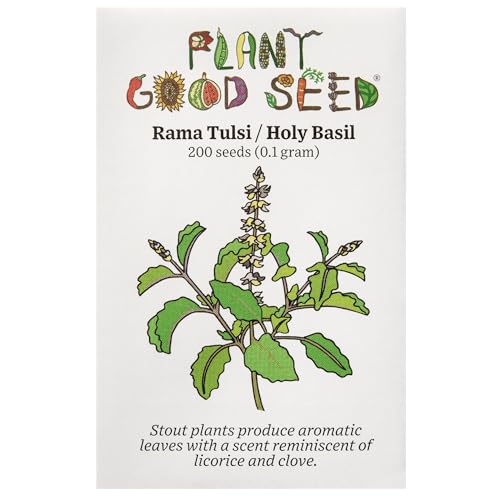 | Best Culinary Variety | Seed Count: 200+ seeds | Seed Quality/Type: Non-GMO heirloom, untreated, open-pollinated | Germination Timeline: Up to 2 weeks | CHECK ON AMAZON | Read Our Analysis |
| Tulsi Kapoor Holy Basil (Ocimum sanctum) packet of 100 seeds organic | 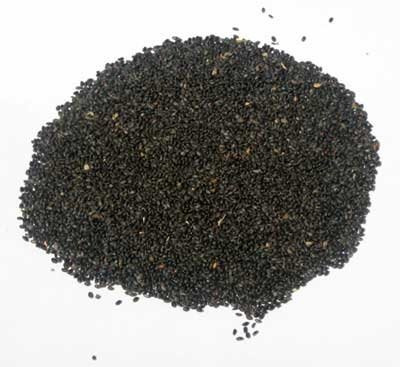 | Easiest to Grow | Seed Count: 100 seeds | Seed Quality/Type: Organic | Germination Timeline: Not specified | CHECK ON AMAZON | Read Our Analysis |
More Details on Our Top Picks
Tulsi Holy Basil Seeds 3,250 Premium Pack
If you’re seeking authentic Tulsi for your herbal garden, wellness practice, or spiritual space, this premium pack delivers 3,250 meticulously selected seeds with exceptional germination rates. You’ll enjoy highly aromatic leaves with warm, clove-like notes perfect for herbal teas and culinary applications. The seeds come fresh for the 2026 growing season in a moisture-controlled pouch that preserves potency and extends shelf life. These vigorous, fast-growing plants thrive in warm gardens and containers alike. You’ll appreciate the included planting instructions and Family Sown Promise guarantee—if your seeds don’t grow, you’ll receive a full refund with no questions asked.
- Seed Count:3,250 seeds
- Seed Quality/Type:Premium, selected for strong germination
- Germination Timeline:Not specified
- Aromatic Profile:Warm, clove-like notes
- Primary Uses:Herbal teas, wellness, culinary, spiritual
- Guarantee/Promise:Family Sown Promise; refund if seeds don’t grow, no questions asked
- Additional Feature:1-gram moisture-controlled pouch
- Additional Feature:Family Sown Promise guarantee
- Additional Feature:Easy anytime planting
Organic Holy Basil Seeds ‘Tulsi’ (Two Packets)
You’ll find your perfect match with these Organic Holy Basil Seeds ‘Tulsi’ if you’re seeking a versatile, easy-to-grow herb that thrives in multiple growing conditions. Each of the two packets contains over 850 seeds, giving you ample opportunity to experiment across different areas of your garden. You’ll appreciate the mildly spicy aroma and invigorating flavor that elevates both hot and cold beverages. The seeds arrive fresh with 2026 viability, backed by a germination guarantee—you’ll get a refund if they don’t sprout within 30 days. Premium packaging makes these packets ideal for gifting, while detailed planting instructions ensure your success from sowing through harvest.
- Seed Count:1,706+ seeds
- Seed Quality/Type:Organic, open-pollinated, non-GMO
- Germination Timeline:High germination potential (timeline not specified)
- Aromatic Profile:Mildly spicy aroma
- Primary Uses:Hot and cold drinks, wellness
- Guarantee/Promise:Guaranteed to grow; 30-day germination refund
- Additional Feature:Premium giftable packaging
- Additional Feature:Open pollinated, non-GMO
- Additional Feature:Potential color variety
Seed Needs Holy Basil Tulsi Seeds for Planting
Gardeners seeking a plant that bridges spiritual significance, medicinal benefits, and culinary versatility will find Seed Needs’ Holy Basil Tulsi seeds an ideal choice. You’ll receive seeds stored in temperature-controlled, moisture-resistant packaging that preserves freshness longer than competitors. These non-GMO, open-pollinated seeds germinate within two weeks when sown correctly. Your plants will reach 18–20 inches in warm, sunny locations with well-drained soil. You’ll enjoy tulsi’s adaptogenic properties for stress relief and immunity support, its distinct flavor in teas, and its ability to attract beneficial insects. The packets feature detailed sowing instructions on the reverse, making cultivation straightforward.
- Seed Count:Not specified
- Seed Quality/Type:Non-GMO, open-pollinated & heirloom majority
- Germination Timeline:~2 weeks
- Aromatic Profile:Distinct flavor
- Primary Uses:Teas, Asian dishes, medicinal
- Guarantee/Promise:No GMO guarantee; fresh seeds promise
- Additional Feature:Attracts beneficial insects
- Additional Feature:Temperature-controlled storage facility
- Additional Feature:Tear-resistant, moisture-resistant packaging
Sow Right Seeds Holy Basil Tulsi Heirloom Seeds
Those seeking authentic holy basil for culinary, medicinal, and spiritual practices will find Sow Right Seeds’ Tulsi offering unmatched in quality and value. You’ll receive premium heirloom seeds—approximately 750 per packet—backed by responsive customer support. These non-GMO seeds germinate in 5-10 days under proper conditions, reaching 18-20 inches tall within 75-80 days. You can grow them in containers or garden beds, harvesting fresh or dried leaves for teas, cooking, and Ayurvedic remedies. The company’s solar-powered operation and Safe Seed Pledge reflect their commitment to sustainability. With full-sun placement and proper spacing, you’ll enjoy vigorous plants that attract pollinators throughout the season.
- Seed Count:~750 seeds (400 mg minimum)
- Seed Quality/Type:Non-GMO heirloom, open-pollinated
- Germination Timeline:5-10 days
- Aromatic Profile:Not specified
- Primary Uses:Teas, herbal medicines, culinary
- Guarantee/Promise:Non-GMO heirloom assurance; customer support assistance
- Additional Feature:Solar-powered operation
- Additional Feature:Safe Seed Pledge
- Additional Feature:Responsive customer support
Holy Basil Seed for Planting – Non-GMO Heirloom
If you’re seeking a sacred herb that’ll deliver both spiritual and practical benefits, Survival Garden Seeds’ Holy Basil Tulsi offers precisely what you need. These non-GMO heirloom seeds sprout easily in warm soil, making them ideal for beginners and experienced gardeners alike. You’ll enjoy high germination rates and untreated, open-pollinated seeds that maintain their integrity year after year. Plant them in full sun, whether in garden beds, containers, or indoors under adequate lighting. This family-owned USA brand provides quality-tested seeds you can trust. You’ll harvest fresh leaves for calming herbal tea, honoring tulsi’s sacred Ayurvedic heritage while enjoying practical medicinal benefits throughout your growing season.
- Seed Count:Not specified
- Seed Quality/Type:Non-GMO heirloom, open-pollinated, untreated
- Germination Timeline:Sprout easily in warm soil (timeline not specified)
- Aromatic Profile:Not specified
- Primary Uses:Herbal tea, medicinal, Ayurvedic
- Guarantee/Promise:Quality tested for garden success
- Additional Feature:Family-owned USA business
- Additional Feature:Heat pad recommended
- Additional Feature:Year-round indoor growing
Plant Good Seed Rama Holy Basil Seeds (200-Pack)
Plant Good Seed’s Rama Holy Basil Seeds deliver authentic culinary and medicinal tulsi in a generous 200-pack format, making them ideal for anyone seeking to grow this cornerstone of Indian herbalism and Thai cooking. You’ll appreciate the non-GMO, heirloom seeds that germinate within two weeks when sown indoors in late winter. These open-pollinated seeds reach harvest maturity in 80 days, producing stout plants with highly aromatic leaves featuring earthy basil notes and subtle licorice-clove undertones. Hand-packed in California with germination-tested viability, they’re best planted within 15 months of purchase. Complete growing instructions guide you through ideal planting depth, spacing, and seasonal requirements.
- Seed Count:200+ seeds
- Seed Quality/Type:Non-GMO heirloom, untreated, open-pollinated
- Germination Timeline:Up to 2 weeks
- Aromatic Profile:Earthy basil with licorice, clove undertones
- Primary Uses:Indian herbalism, Thai cuisine, teas
- Guarantee/Promise:Viability emphasized; germination-tested
- Additional Feature:Hand-packed with date
- Additional Feature:80 days seed-to-harvest
- Additional Feature:Grown in Ojai, California
Tulsi Kapoor Holy Basil (Ocimum sanctum) packet of 100 seeds organic
The Tulsi Kapoor Holy Basil packet is your ideal choice if you’re cultivating tulsi in a temperate climate for the first time. This organic seed packet contains 100 seeds of Ocimum sanctum, the easiest tulsi variety to grow in temperate gardens. You’ll appreciate its highly aromatic properties, which make it valuable for culinary and medicinal applications. With roots in ancient Indian Ayurvedic tradition and nearly 30 years of successful US cultivation, Kapoor tulsi offers proven reliability. The organic certification guarantees you’re growing without synthetic pesticides or chemicals, supporting both your health and sustainable gardening practices.
- Seed Count:100 seeds
- Seed Quality/Type:Organic
- Germination Timeline:Not specified
- Aromatic Profile:Highly aromatic
- Primary Uses:Ayurvedic, herbal uses
- Guarantee/Promise:Not specified
- Additional Feature:Easiest type temperate gardens
- Additional Feature:30-year US cultivation
- Additional Feature:Ancient Ayurvedic tradition
Factors to Consider When Choosing a Tulsi (Holy Basil) Seed Packet for Adaptogenic Tea Gardens
When you’re selecting a tulsi seed packet for your adaptogenic tea garden, you’ll want to evaluate the seed count and germination rate to guarantee you’re getting viable plants that’ll establish successfully. You should also assess the adaptogenic quality and potency of the variety, since different tulsi strains offer varying levels of beneficial compounds, along with considering your growing season and climate to match the plant’s requirements. Finally, you’ll need to examine the aroma profile for tea brewing, the packaging’s freshness protection, and whether organic certification matters for your gardening goals.
Seed Count And Germination
Choosing the right seed packet hinges on understanding two critical variables: how many seeds you’re getting and whether they’ll actually sprout. Seed counts range from 100 to 3,250 per packet, so you’ll find options suited to starter gardens or extensive tea plantings. Larger lots of 750–3,250 seeds work well for substantial projects, while smaller packs suit beginners testing the waters.
Germination potential matters equally. Many packets guarantee high sprouting rates, with seeds typically germinating within 5–14 days under warm conditions. You’ll want to verify germination guarantees—reputable vendors offer refunds or replacements if seeds fail within a specified timeframe. This assurance protects your investment and confirms you’re purchasing viable seeds capable of producing healthy tulsi plants for your adaptogenic tea garden.
Adaptogenic Quality And Potency
Beyond seed viability, you’ll want to assess adaptogenic quality and potency—factors that determine whether your tulsi plants deliver genuine wellness benefits. Prioritize open-pollinated or heirloom varieties, as these preserve the natural phytochemical profiles responsible for stress-relief and immunity support. Check that seeds come from fresh stock, since older seed lots lose potency over time. Examine packaging carefully; moisture exposure degrades active compounds and aromatic strength. Look for suppliers who describe the clove-like, mildly spicy aroma—this sensory indicator signals robust flavor and herb-strength. When you grow from quality seed stock in warm, sunny conditions, you’ll sustain plants capable of producing leaves with authentic adaptogenic power for your tea preparations and remedies.
Growing Season And Climate
As you select tulsi seed packets, your local growing season and climate profile become critical factors for success. Tulsi thrives in warm, sunny climates with well-drained soil and long, frost-free periods—conditions you’ll want to verify before purchasing seeds.
You’ll achieve germination within 5–10 days when soil temperatures reach 70–80°F. Since plants reach 18–20 inches tall, you can grow them in containers or garden beds as long as they receive full sun.
To maximize leaf production, you’ll need an extended warm period. Keep soil consistently moist but not waterlogged throughout the growing season. Choose fresh seeds for your current year to guarantee best germination rates and plant vigor.
Aroma Profile For Tea
When you’re selecting tulsi seeds for adaptogenic tea gardens, the aroma profile becomes just as important as the plant’s growth requirements. Different varieties deliver distinct sensory experiences that’ll influence your tea’s flavor and fragrance.
You’ll find that most adaptogenic tulsi cultivars feature warm, clove-like notes that enhance both aroma and palate. Some varieties offer mildly spicy undertones that brighten hot or cold preparations, while RAMA-style tulsi types provide earthy, licorice-like undertones perfect for herbal blends.
If you’re prioritizing robust, lingering fragrance with each infusion, seek out highly aromatic leaf varieties. Kapoor tulsi selections particularly stand out for their especially strong aroma, making them ideal choices if you’re building an aromatic tea garden. Your aroma preference will ultimately guide which seed packet best suits your adaptogenic tea goals.
Packaging Freshness Protection
Once you’ve identified your preferred aroma profile, the seed packet’s protective qualities determine whether those aromatic compounds actually reach your garden. Look for tear-resistant, moisture-free packaging that shields seeds from humidity damage during storage and transport. Many quality packets include moisture-controlled freshness pouches specifically designed to preserve seed potency and extend shelf life.
Check for a “Packed On” date printed on the packet—this helps you assess freshness and viability before purchasing. Some vendors offer germination or freshness guarantees, providing reassurance that their packaging effectively protects your investment. Clear sowing instructions printed on the back enable quick reference while maintaining seed quality. These protective features guarantee your tulsi seeds retain their vigor and aromatic potential when you’re ready to plant.
Heirloom And Non-GMO Status
Why does seed provenance matter for your tulsi garden? When you choose heirloom, open-pollinated, non-GMO tulsi seeds, you’re investing in genetic stability and predictable growth. These seeds haven’t undergone laboratory genetic modification, meaning you’ll cultivate tulsi that stays true-to-type year after year. Open-pollination through natural processes guarantees your plants maintain their distinctive flavor profiles and aromatic qualities—characteristics prized for centuries across cultures.
Look for seed packets explicitly stating “non-GMO” and “open-pollinated.” Some vendors emphasize “few hybrids,” signaling commitment to traditional seed stock. This matters because hybrid seeds won’t produce offspring matching the parent plant, limiting your ability to save seeds for future seasons. By selecting heirloom varieties, you preserve both the plant’s integrity and your garden’s self-sufficiency, supporting sustainable, adaptogenic tea cultivation.
Planting Instructions And Support
After you’ve selected heirloom, non-GMO tulsi seeds that’ll breed true to type, your next consideration is whether the seed packet provides clear guidance for successful cultivation. You’ll want detailed planting instructions covering depth (about 1/4 inch), spacing (roughly 15 inches apart), and germination timeframes (5–10 days under warm conditions). Look for packets addressing your specific growing situation—whether you’re transplanting outdoors after the last frost or establishing container gardens on a balcony.
Quality seed companies include care essentials: full sun requirements, well-drained soil specifications, and moisture-balancing guidance to prevent waterlogging. Responsive customer support matters too. If questions arise during your growing season, you’ll appreciate accessible help. These thorough resources guarantee you’ll cultivate healthy, productive tulsi plants for your adaptogenic tea garden.
Frequently Asked Questions
How Long Does It Typically Take Tulsi Seeds to Germinate Under Ideal Conditions?
You’ll see your tulsi seeds germinate in 5-10 days under ideal conditions. You’ll need warm soil temperatures between 70-75°F, consistent moisture, and good light exposure. You’re looking at sprouting within that timeframe.
What Is the Difference Between Rama, Krishna, and Vana Tulsi Varieties?
You’ll find Rama tulsi has green leaves and mild flavor, Krishna tulsi features dark purple leaves with peppery notes, and Vana tulsi grows wild with smaller leaves and stronger, more aromatic qualities than both varieties.
Can Tulsi Seeds Be Started Indoors Year-Round or Only Seasonally?
You can start tulsi seeds indoors year-round, though you’ll get better results during spring and summer. Indoor growing lets you control temperature and light, making it possible anytime.
How Should Dried Tulsi Seeds Be Stored to Maintain Viability Long-Term?
You should store your dried tulsi seeds in an airtight container, keeping them in a cool, dark place at 32-41°F. You’ll maintain their viability for years by minimizing light, moisture, and temperature fluctuations consistently.
What Pests and Diseases Commonly Affect Tulsi Plants From Seed to Harvest?
You’ll face spider mites, whiteflies, and aphids attacking your tulsi plants. Powdery mildew and root rot commonly develop in humid conditions. You can prevent these by ensuring proper airflow, avoiding overwatering, and inspecting seedlings regularly.


Leave a Reply