
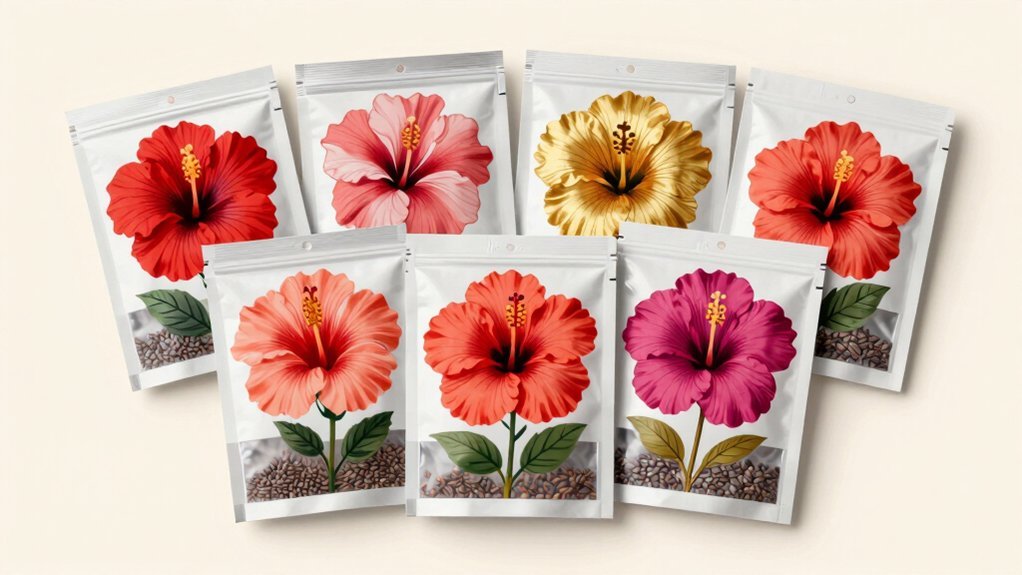
You’re probably wondering which hibiscus seed packets will actually deliver results this year. With so many options flooding the market, it’s easy to waste money on varieties that won’t thrive in your climate or produce quality tea flowers. We’ll walk you through the top seven selections that gardeners are trusting, plus what you need to know before you buy.
| Premium Roselle Seeds Non-GMO Heirloom Hibiscus |  | Best For Tea Enthusiasts | Plant Variety: Roselle hibiscus sabdariffa | Seed Count: 100+ seeds | Germination & Growth Timeline: Not specified | CHECK ON AMAZON | Read Our Analysis |
| KVITER Hibiscus Seeds Rare Fairy Dust Blooms Perennial | 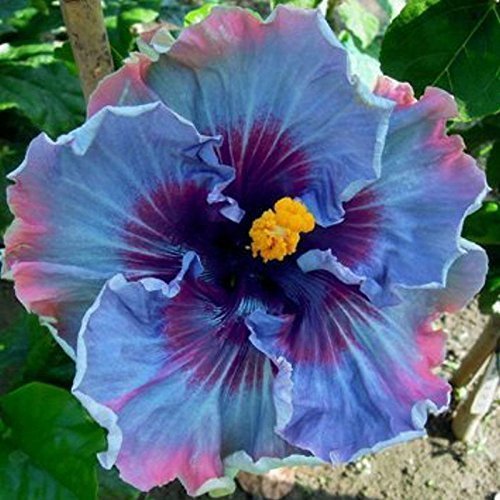 | Best Ornamental Variety | Plant Variety: Rare Fairy Dust hibiscus perennial | Seed Count: 30 seeds | Germination & Growth Timeline: Up to 90% germination rate; blooms mid-summer to fall | CHECK ON AMAZON | Read Our Analysis |
| Sow Right Seeds Roselle Hibiscus Sabdariffa Heirloom Seeds |  | Best Heirloom Quality | Plant Variety: Roselle hibiscus sabdariffa | Seed Count: ~45 seeds (1.5g packet) | Germination & Growth Timeline: 7-14 days germination; 90-120 days to mature flowers | CHECK ON AMAZON | Read Our Analysis |
| Plant Good Seed Organic Hibiscus Roselle Seeds Packet |  | Best Organic Choice | Plant Variety: Hibiscus sabdariffa (Roselle) | Seed Count: Minimum 30 seeds | Germination & Growth Timeline: 110 days seed to calyx harvest | CHECK ON AMAZON | Read Our Analysis |
| KVITER Roselle Seeds for Planting (Hibiscus Sabdariffa) |  | Best Culinary Roselle | Plant Variety: Roselle hibiscus sabdariffa | Seed Count: Unspecified quantity | Germination & Growth Timeline: 7-14 days sprout; 70-90 days to harvest | CHECK ON AMAZON | Read Our Analysis |
| Palm Beach Red Roselle Hibiscus Seeds (50-Pack) | 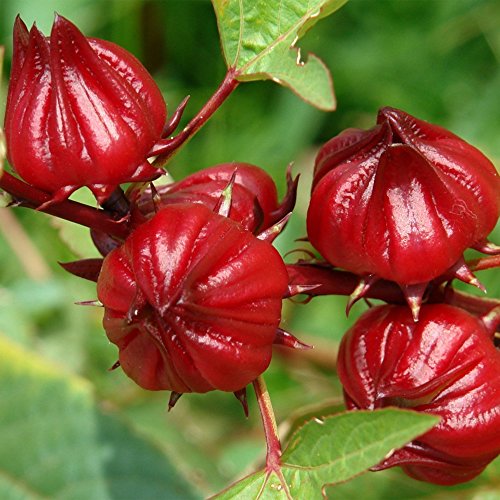 | Best Premium Pack | Plant Variety: Red Roselle hibiscus sabdariffa | Seed Count: 50 seeds | Germination & Growth Timeline: Not specified | CHECK ON AMAZON | Read Our Analysis |
| Mixed Hibiscus Seeds Perennial Non-GMO Heirloom Flowers |  | Best Color Selection | Plant Variety: Mixed hibiscus varieties | Seed Count: 100+ seeds | Germination & Growth Timeline: 8-12 weeks before last frost for indoor sowing | CHECK ON AMAZON | Read Our Analysis |
More Details on Our Top Picks
Premium Roselle Seeds Non-GMO Heirloom Hibiscus
If you’re looking to grow your own tea flowers with seeds you can trust, Premium Roselle Seeds deliver exactly what you need. These non-GMO heirloom hibiscus plants produce stunning deep red flowers with edible calyces perfect for herbal teas and culinary applications. You’ll enjoy high yields and fast growth, generating abundant blooms throughout the season. The seeds thrive in warm climates with full sun and require minimal maintenance, making them ideal for beginners. They’re drought-tolerant and grow well in gardens, containers, or raised beds. Each generous 100+ seed pack guarantees you’ll have plenty for personal use, sharing with friends, or gifting to fellow gardening enthusiasts.
- Plant Variety:Roselle hibiscus sabdariffa
- Seed Count:100+ seeds
- Germination & Growth Timeline:Not specified
- Ideal Growing Conditions:Full sun, warm climates, drought-tolerant, versatile (gardens/containers)
- Seed Quality/Certifications:Non-GMO, heirloom, open-pollinated, 100% natural
- Primary Use:Herbal teas, culinary uses, edible calyces
- Additional Feature:100+ seeds per packet
- Additional Feature:Drought-tolerant, low maintenance
- Additional Feature:Container and raised bed compatible
KVITER Hibiscus Seeds Rare Fairy Dust Blooms Perennial
The KVITER Hibiscus Seeds are your ideal choice for growing stunning tea flowers with minimal effort. You’ll receive 30 premium seeds with a 90% germination rate, making them beginner-friendly for USDA zones 4–9. Simply soak seeds for 24 hours and plant them 1/4 inch deep in well-drained loam soil. These perennials thrive in full sun with moderate watering and light fertilization. Expect vibrant pink blooms measuring 3–5 inches wide from mid-summer through fall. Your plants’ll reach up to 6 feet tall and attract hummingbirds and butterflies. Space them 36–48 inches apart for best growth in containers or garden beds.
- Plant Variety:Rare Fairy Dust hibiscus perennial
- Seed Count:30 seeds
- Germination & Growth Timeline:Up to 90% germination rate; blooms mid-summer to fall
- Ideal Growing Conditions:USDA zones 4-9, full sun to partial shade, loam soil, 70-85°F
- Seed Quality/Certifications:Heirloom variety
- Primary Use:Ornamental perennial flowers, pollinator attraction
- Additional Feature:Up to 90% germination rate
- Additional Feature:Attracts hummingbirds and butterflies
- Additional Feature:Grows up to 6 feet
Sow Right Seeds Roselle Hibiscus Sabdariffa Heirloom Seeds
Sow Right Seeds Roselle Hibiscus Sabdariffa Heirloom Seeds stands out as your best choice if you’re seeking an edible hibiscus variety that’ll deliver bright red calyxes perfect for pickled preparations, syrups, and jams. This non-GMO heirloom thrives in USDA zones 8-11, reaching 3-8 feet tall with a 3-5 foot spread. You’ll see flowers mature in 90-120 days when you plant seeds ¼ inch deep in 70-80°F soil and space them 12-18 inches apart under full sun. The packet contains approximately 45 premium seeds with included growing instructions. Sow Right backs their product with a germination guarantee and operates entirely on solar power, supporting sustainable gardening practices.
- Plant Variety:Roselle hibiscus sabdariffa
- Seed Count:~45 seeds (1.5g packet)
- Germination & Growth Timeline:7-14 days germination; 90-120 days to mature flowers
- Ideal Growing Conditions:USDA zones 8-11, full sun, 70-80°F soil temps
- Seed Quality/Certifications:Non-GMO heirloom, Safe Seed Pledge, solar-powered operation
- Primary Use:Tea, culinary uses, pickled calyces, jams
- Additional Feature:Solar-powered operation company
- Additional Feature:Safe Seed Pledge certified
- Additional Feature:Germination guarantee/replacement promise
Plant Good Seed Organic Hibiscus Roselle Seeds Packet
Are you searching for certified organic, non-GMO seeds you can trust? Plant Good Seed’s Hibiscus Roselle packet delivers exactly that. You’ll receive a minimum of 30 germination-tested seeds grown right here in the USA by a California company with decades of expertise. These heirloom, open-pollinated seeds require scarification before planting, then take roughly 110 days to produce usable calyces. The packet includes complete growing instructions covering planting depth, spacing, germination timing, and temperature requirements. You’ll grow pink-blossomed plants that attract pollinators while producing red fleshy calyces perfect for tea and culinary applications like cranberry substitutes.
- Plant Variety:Hibiscus sabdariffa (Roselle)
- Seed Count:Minimum 30 seeds
- Germination & Growth Timeline:110 days seed to calyx harvest
- Ideal Growing Conditions:Greenhouse start recommended, transplant after last frost
- Seed Quality/Certifications:Certified organic, non-GMO, heirloom, untreated, open-pollinated, germination tested
- Primary Use:Tea, culinary substitute (cranberries), pollinator attraction
- Additional Feature:USA-grown seeds, California-based
- Additional Feature:Seed scarification required pre-planting
- Additional Feature:Decades of seed expertise
KVITER Roselle Seeds for Planting (Hibiscus Sabdariffa)
If you’re seeking a reliable roselle variety that produces both culinary-grade calyces and edible leaves, KVITER Roselle Seeds offer an excellent option for home gardeners. You’ll experience high germination rates within 7–14 days at temperatures between 70–90°F. Start by soaking seeds for 24 hours, then sow them 1/4 inch deep in well-drained soil. Position your plants in full sun for 6–8 hours daily and water moderately. You’ll harvest tender sorrel leaves in 70–90 days, perfect for fresh use or drying. Feed monthly for best yields. These plants reach 6 feet tall, producing vibrant blooms ideal for ornamental displays while yielding calyces for hibiscus tea, seeds for curries, and leaves for various culinary applications.
- Plant Variety:Roselle hibiscus sabdariffa
- Seed Count:Unspecified quantity
- Germination & Growth Timeline:7-14 days sprout; 70-90 days to harvest
- Ideal Growing Conditions:Full sun 6-8 hours daily, 70-90°F temps, moderate watering
- Seed Quality/Certifications:Non-GMO
- Primary Use:Hibiscus tea, edible leaves/seeds, culinary uses, medicinal herb
- Additional Feature:Edible seeds for curries
- Additional Feature:Reaches up to 6 feet
- Additional Feature:Monthly feeding recommended yields
Palm Beach Red Roselle Hibiscus Seeds (50-Pack)
For those who crave both ornamental beauty and culinary versatility, the Palm Beach Red Roselle Hibiscus Seeds deliver an exceptional growing experience. This 50-pack of premium heirloom seeds produces striking deep-red calyces paired with pale-yellow blooms, thriving in USDA zones 9–11 as a perennial or annual elsewhere. You’ll need full sun and regular watering to unleash abundant harvests. The tart, cranberry-like calyces work beautifully in hibiscus tea, agua de jamaica, jams, and syrups. Each packet includes complete growing instructions, ensuring confident germination. Whether you’re a tea enthusiast, culinary gardener, or home mixologist, these seeds deliver bold visual impact alongside practical kitchen applications.
- Plant Variety:Red Roselle hibiscus sabdariffa
- Seed Count:50 seeds
- Germination & Growth Timeline:Not specified
- Ideal Growing Conditions:USDA zones 9-11, full sun, warm climates, regular watering
- Seed Quality/Certifications:Premium quality heirloom
- Primary Use:Hibiscus tea, culinary uses, ornamental garden display
- Additional Feature:Pale-yellow blooms, deep-red calyces
- Additional Feature:Tropical aroma characteristic
- Additional Feature:Cranberry-like flavor profile
Mixed Hibiscus Seeds Perennial Non-GMO Heirloom Flowers
You’ll find this 100+ seed packet ideal if you’re seeking authentic, heirloom hibiscus varieties that you can cultivate from start to finish in your own garden. These non-GMO perennials thrive in full sun with well-draining soil and regular watering during dry spells. Start seeds indoors 8–12 weeks before your last frost, keeping soil consistently moist until transplanting outdoors. In warm climates (15–30°C), you’ll enjoy year-round blooms in red, pink, and white. Prune in late winter for bushier growth. These ornamental flowers attract pollinators and work beautifully for hedges, borders, or container planting, transforming your garden into a vibrant showcase.
- Plant Variety:Mixed hibiscus varieties
- Seed Count:100+ seeds
- Germination & Growth Timeline:8-12 weeks before last frost for indoor sowing
- Ideal Growing Conditions:Full sun, 15-30°C ideal, well-draining soil, frost-sensitive
- Seed Quality/Certifications:Non-GMO heirloom
- Primary Use:Ornamental flowering plants, pollinator attraction
- Additional Feature:100+ seeds mixed colors
- Additional Feature:Year-round blooming potential
- Additional Feature:Multiple color variety included
Factors to Consider When Choosing a Hibiscus Seed Packet for Growing Tea Flowers at Home
When you’re selecting a hibiscus seed packet for home tea cultivation, you’ll want to evaluate the germination rates, climate compatibility, and non-GMO heirloom standards to guarantee successful growth. You should also consider your local soil conditions, sunlight availability, and the calyx yield you can expect from your chosen variety. These factors directly impact whether you’ll harvest a productive tea garden that thrives in your specific environment.
Seed Germination Rates Matter
Why does germination rate matter so much when you’re selecting hibiscus seed packets for tea flowers? A higher germination rate directly increases the seedlings you’ll harvest from a single packet. With a 90% germination rate, for example, 100 seeds yield roughly 90 viable plants—significantly more than a packet claiming only 60% viability.
You can plan your tea garden accurately by multiplying your seed count by the germination rate. This calculation prevents disappointment and guarantees you’ve got enough seedlings for your production goals.
Before purchasing, verify the germination rate listed on the packet rather than assuming viability claims. Consider soaking seeds 24 hours before planting to boost both success rates and speed. Fast germination—typically 7–14 days—accelerates your progression from seed to flowering plants ready for tea production.
Climate Zone Compatibility Essential
Because hibiscus thrives in specific temperature ranges, matching your seed packet to your USDA hardiness zone is critical for successful tea flower cultivation. Most hibiscus seeds are labeled for zones 4–9 or 8–11, so you’ll need to verify your zone before purchasing.
If you’re in a temperate zone, treat roselle as an annual and maintain 70–90°F daytime temperatures for best germination and calyx production. Perennial varieties typically require zones 4–9 or warmer to survive winter outdoors; in cooler regions, plan to overwinter indoors or grow them as annuals.
For climates with cool spells or short summers, select heat-tolerant varieties bred for late-summer to fall blooming. This strategic selection ensures your hibiscus aligns with your local growing season and climate realities.
Calyx Yield And Harvest
How quickly you’ll harvest your first tea flowers depends largely on the variety you select and your growing conditions. Most hibiscus varieties produce harvestable calyces within 90–120 days of planting, though some seed sources cite around 110 days to your first usable harvest.
When selecting your seed packet, prioritize varieties known for abundant blooms. High-yielding plants produce more calyces, directly increasing your overall harvest size. You’ll recognize when calyces are ready by their deep red color—this signals peak readiness for picking.
Don’t overlook growing conditions. Warm temperatures and full-sun exposure are non-negotiable for developing usable calyces and maximizing your yield potential. Without adequate heat and light, you’ll compromise both quantity and quality of your harvest.
Non-GMO Heirloom Quality Standards
When you’re selecting hibiscus seed packets for tea flowers, seeking non-GMO heirloom varieties guarantees you’re growing from seeds that haven’t been genetically engineered and come from traditional plant lineages preserved across generations. Look for packets displaying Safe Seed Pledge commitments or similar certifications, confirming seeds are untreated and ethically sourced.
Open-pollinated heirloom hibiscus seeds offer you a significant advantage: you’ll save seeds from your harvest that reliably reproduce true to type, maintaining genetic stability year after year. This stability guarantees your tea flowers possess consistent calyx yields and flavor profiles.
Prioritize seed companies emphasizing provenance and heritage variety information. You’ll find that reputable vendors clearly document their hibiscus varieties’ origins and growing histories, helping you select robust strains proven for tea production without modern modifications.
Soil And Sunlight Requirements
To maximize your hibiscus tea flower production, you’ll need to prioritize full sun exposure and well-drained soil conditions. Your plants require at least six hours of direct sunlight daily for ideal flowering and growth. Without sufficient light, you’ll notice reduced blooms and weaker plant development.
For soil, choose loam-based, well-draining options that prevent waterlogging and root rot—critical issues that damage your tea flowers. Maintain soil temperatures between 70–80°F for vigorous germination and growth.
When planting, space hibiscus 12–18 inches apart to provide adequate air circulation and healthy root systems. If you’re growing in containers, select large pots with drainage holes and monitor moisture carefully. You’ll need to balance watering to avoid both drought stress and soggy conditions that compromise plant health.
Frequently Asked Questions
Can Hibiscus Tea Flowers Be Grown Successfully Indoors Year-Round in Cold Climates?
You can successfully grow hibiscus tea flowers indoors year-round in cold climates if you’ll provide bright light, maintain warm temperatures between 60-75°F, guarantee proper humidity, and use well-draining soil with regular feeding.
What Is the Typical Yield of Dried Hibiscus Flowers per Plant Annually?
You’ll typically harvest 100-300 dried flowers annually per plant, depending on growing conditions, variety, and care quality. Ideal sunlight, consistent watering, and regular fertilizing will maximize your yield considerably.
How Long Does It Take Hibiscus Seeds to Germinate and Produce Flowers?
You’ll wait 10-20 days for seeds to germinate under warm conditions. After sprouting, you’ll nurture seedlings for 6-8 weeks before transplanting. You’ll then enjoy your first flowers within 3-4 months of planting outdoors.
Are Hibiscus Tea Flowers Safe for Pregnant Women and Nursing Mothers?
You should consult your healthcare provider before consuming hibiscus tea during pregnancy or nursing, as it may stimulate uterine contractions and potentially affect milk production. Safety hasn’t been definitively established for these populations.
What Pests and Diseases Most Commonly Affect Hibiscus Plants Grown for Tea?
You’ll encounter spider mites, whiteflies, and aphids most frequently on your tea hibiscus plants. Root rot and leaf spot diseases also commonly plague them. You can prevent these by maintaining proper drainage, avoiding overwatering, and regularly inspecting your plants.

Leave a Reply