

Fennel seed tea offers a natural, effective remedy for bloating relief. This herbal infusion, made from dried fennel seeds, has been used for centuries to aid digestion. It relaxes intestinal muscles, reduces cramping, and helps expel gas from your digestive tract. To prepare, steep 1-2 teaspoons of crushed seeds in hot water for 5-10 minutes. You can enjoy it hot or cold, up to three times daily before meals. While generally safe, pregnant women and those with certain medical conditions should consult their doctor before use. By understanding fennel tea's benefits and proper preparation, you'll reveal a powerful tool for digestive comfort.
What Is Fennel Seed Tea?
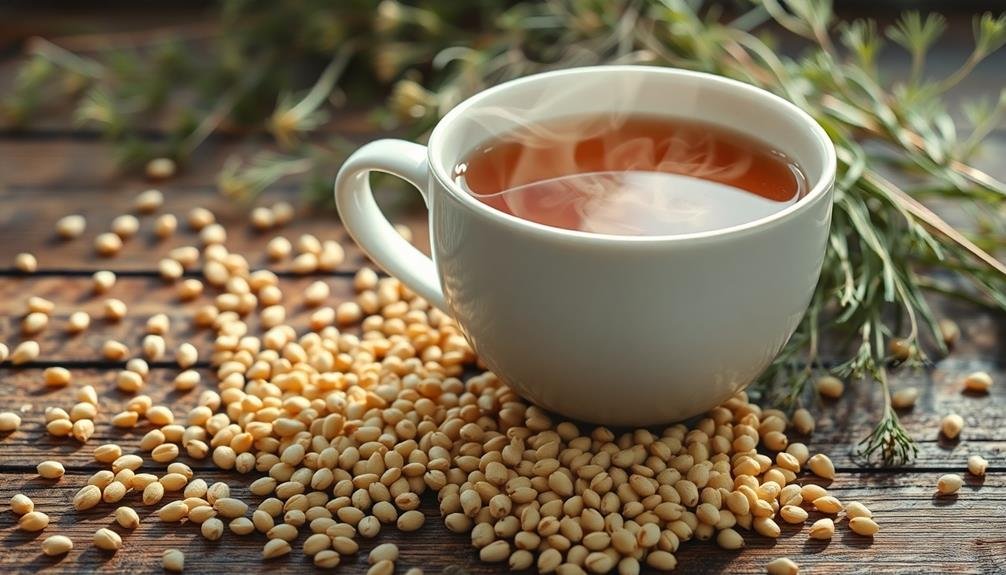
Fennel seed tea is a popular herbal infusion made from the dried seeds of the fennel plant (Foeniculum vulgare). This aromatic beverage has been used for centuries in traditional medicine to aid digestion and relieve various gastrointestinal issues, including bloating.
To prepare fennel seed tea, you'll need to steep crushed or whole fennel seeds in hot water for about 5-10 minutes. The resulting brew has a mild, sweet flavor with a distinct licorice-like taste. You can enjoy it hot or cold, and some people add honey or lemon for extra flavor.
Fennel seeds contain several compounds that contribute to their potential health benefits, including anethole, fenchone, and estragole. These compounds are believed to have antispasmodic and carminative properties, which may help reduce gas and bloating.
When you drink fennel seed tea, you're not only enjoying a soothing beverage but also potentially supporting your digestive health.
It's essential to recognize that while many people find relief from bloating with fennel seed tea, individual results may vary. If you're considering using fennel seed tea regularly, it's always best to consult with your healthcare provider, especially if you have any existing medical conditions or are taking medications.
Benefits of Fennel for Digestion
Several compelling benefits make fennel a standout herb for digestive health. When you consume fennel seed tea or use fennel in your cooking, you're tapping into its natural ability to soothe and support your digestive system.
Fennel contains compounds that can help relax your intestinal muscles, reducing cramping and discomfort associated with bloating and gas.
One of fennel's key advantages is its carminative properties, which means it can help expel gas from your digestive tract. This action not only relieves bloating but also eases associated symptoms like abdominal pain and fullness.
Fennel's benefits extend beyond just gas relief, though. Here's a quick overview of its digestive perks:
- Stimulates bile production, aiding in fat digestion
- Reduces inflammation in the digestive tract
- Supports healthy gut bacteria balance
- May help prevent ulcers
- Eases constipation by promoting regular bowel movements
How Fennel Relieves Bloating

Fennel's powerful anti-inflammatory properties can soothe your irritated digestive tract, reducing the discomfort associated with bloating.
You'll find that fennel acts as a carminative, helping to expel excess gas from your intestines and alleviate that uncomfortable, bloated feeling.
Anti-Inflammatory Digestive Properties
Frequently, digestive discomfort stems from inflammation in the gut. Fennel seed tea's anti-inflammatory properties make it an excellent natural remedy for soothing your digestive system. When you consume fennel tea, you're introducing powerful compounds that work to reduce inflammation throughout your gastrointestinal tract.
The key anti-inflammatory components in fennel include:
- Anethole
- Limonene
- Fenchone
- Estragole
- Myrcene
These compounds work synergistically to calm irritated tissues in your digestive system. By reducing inflammation, fennel tea helps alleviate bloating, gas, and other digestive discomforts.
It's particularly effective in soothing the lining of your intestines, which can become inflamed due to various factors such as poor diet, stress, or food sensitivities.
Moreover, fennel's anti-inflammatory action extends beyond just symptom relief. It can help prevent future digestive issues by maintaining a healthy gut environment.
Gas-Reducing Carminative Effects
One of fennel seed tea's most prized attributes is its carminative effect, which directly targets the root cause of bloating. When you drink fennel seed tea, it helps relax the smooth muscles in your digestive tract, allowing trapped gas to move more freely through your system. This reduces the uncomfortable pressure and distension associated with bloating.
Fennel contains volatile oils, primarily anethole, that stimulate the production of digestive enzymes. These enzymes break down food more efficiently, reducing the likelihood of undigested particles fermenting in your gut and producing excess gas.
Additionally, fennel's carminative properties encourage the expulsion of gas, providing quick relief from bloating and flatulence.
You'll find that fennel seed tea can help prevent gas formation in the first place. It supports healthy digestion by promoting the proper breakdown of foods, especially complex carbohydrates that are often culprits in gas production.
Preparing Fennel Seed Tea
To prepare fennel seed tea, you'll need just two simple ingredients: fennel seeds and water. Start by crushing 1-2 teaspoons of fennel seeds slightly to release their oils. Boil 1 cup of water in a kettle or pot, then remove it from heat. Add the crushed seeds to the hot water and let them steep for 5-10 minutes. Strain the tea into your cup, and it's ready to drink.
For the best results, consider these tips:
- Use whole fennel seeds rather than pre-ground powder for a fresher flavor
- Adjust the steeping time to your taste preferences; longer steeping creates a stronger tea
- Add a slice of lemon or a teaspoon of honey to enhance the flavor
- Drink the tea while it's warm for maximum benefits
- Store leftover tea in the refrigerator for up to 24 hours
You can enjoy fennel seed tea up to three times a day to help alleviate bloating and gas. It's best to drink it about 30 minutes before meals or when you're experiencing discomfort.
Recommended Dosage and Frequency
You'll want to consume fennel seed tea in moderation for ideal bloating relief.
Typically, brewing 1-2 teaspoons of crushed fennel seeds in a cup of hot water for 5-10 minutes is sufficient.
It's best to drink this tea 15-30 minutes before meals, up to three times daily, to help prevent and alleviate bloating symptoms.
Daily Intake Guidelines
Establishing a proper dosage and frequency for fennel seed tea is essential for ideal bloating relief. You'll want to strike a balance between effectiveness and safety when incorporating this natural remedy into your daily routine. Generally, it's advised to consume 1 to 2 cups of fennel seed tea per day.
To prepare the tea, steep 1 to 2 teaspoons of crushed fennel seeds in a cup of hot water for 5 to 10 minutes. You can drink this tea before or after meals to help with digestion and reduce bloating.
However, it's crucial to recognize that individual needs may vary, and you should always consult with a healthcare professional before starting any new herbal regimen.
Here are some guidelines to keep in mind:
- Start with a lower dose and gradually increase if needed
- Don't exceed 3 cups of fennel seed tea per day
- Avoid drinking the tea immediately before bedtime
- Take breaks from daily consumption every few weeks
- Listen to your body and adjust intake accordingly
Brewing Instructions
While brewing fennel seed tea is a simple process, following the correct steps guarantees you'll get the most benefit for bloating relief. Start by crushing 1-2 teaspoons of fennel seeds to release their oils. Place the crushed seeds in a tea infuser or directly into your cup. Boil water and pour it over the seeds, then cover and let steep for 5-10 minutes. The longer you steep, the stronger the flavor and potential benefits.
For best results, drink 1-3 cups of fennel seed tea daily. You can consume it before or after meals to aid digestion and reduce bloating. If you're using it specifically for bloating relief, try drinking a cup 30 minutes before each meal.
To enhance the taste, you can add honey, lemon, or mint to your tea. For a stronger brew, increase the amount of seeds to 1 tablespoon per cup of water.
You can also make a larger batch and store it in the refrigerator for up to 3 days. When ready to drink, simply reheat or enjoy it cold over ice.
Timing of Consumption
The ideal timing for consuming fennel seed tea can greatly impact its effectiveness in relieving bloating. You'll want to drink it strategically throughout the day to maximize its benefits. Generally, it's recommended to consume fennel seed tea 15-30 minutes before meals or 30-60 minutes after eating. This timing helps stimulate digestion and reduce gas formation.
For best results, you can drink up to three cups of fennel seed tea daily. However, it's important to listen to your body and adjust the frequency based on your individual needs.
Here are some key points to remember about the timing of fennel seed tea consumption:
- Drink a cup in the morning on an empty stomach to kickstart digestion
- Sip a cup before lunch to prevent mid-day bloating
- Enjoy a cup after dinner to aid in digestion and reduce nighttime discomfort
- Avoid drinking it too close to bedtime, as it may increase urination
- Space out your tea consumption throughout the day for consistent relief
Adding Flavor to Fennel Tea
Once you've brewed your basic fennel seed tea, you might want to enhance its flavor. While fennel tea has a naturally sweet, licorice-like taste, you can add various ingredients to create a more complex and enjoyable beverage.
Try adding a slice of fresh lemon or a splash of lemon juice for a citrusy kick that complements fennel's flavor profile. If you prefer sweetness, stir in a teaspoon of honey or maple syrup.
For a spicier blend, add a small piece of fresh ginger or a cinnamon stick to your tea while it's steeping. These warming spices can enhance the tea's digestive benefits.
If you're looking for a more herbal taste, consider adding a few fresh mint leaves or a bag of peppermint tea to your fennel infusion. This combination can be particularly soothing for upset stomachs.
For a creamy twist, add a splash of plant-based milk like almond or oat milk. You can also experiment with other herbs like chamomile or lavender for a calming bedtime blend.
Potential Side Effects
While fennel seed tea is generally safe for most people, you should be aware of potential side effects.
If you're allergic to plants in the carrot family, you might experience allergic reactions to fennel.
Be cautious about hormonal effects, as fennel can impact estrogen levels, and consider possible drug interactions if you're taking medications.
Allergic Reactions
Although fennel seed tea offers many benefits, it's important to watch out for potential allergic reactions. If you're allergic to plants in the carrot family, such as celery or coriander, you might also be sensitive to fennel. Pay attention to your body's response after drinking fennel tea, especially if it's your first time.
Common signs of an allergic reaction to fennel seed tea include:
- Skin rashes or hives
- Itching or swelling of the mouth, throat, or face
- Difficulty breathing or wheezing
- Nausea or vomiting
- Dizziness or lightheadedness
If you experience any of these symptoms, stop drinking the tea immediately and seek medical attention. In rare cases, severe allergic reactions like anaphylaxis can occur, which is a medical emergency.
To be safe, start with a small amount of fennel tea and gradually increase your intake if you don't have any adverse reactions. If you have a history of allergies or are prone to food sensitivities, it's wise to consult your healthcare provider before adding fennel seed tea to your routine.
Hormonal Effects
Fennel seed tea's impact on hormones is an important consideration for some individuals. It contains phytoestrogens, plant compounds that mimic estrogen in the body. While these can offer benefits, they may also affect your hormonal balance.
If you're pregnant or breastfeeding, you should be cautious about consuming fennel seed tea. Its estrogenic effects could potentially impact fetal development or alter breast milk composition. Similarly, if you have hormone-sensitive conditions like certain types of cancer, endometriosis, or uterine fibroids, consult your doctor before adding fennel seed tea to your routine.
| Hormone | Potential Effect | Precaution |
|---|---|---|
| Estrogen | Mimics effects | Avoid if hormone-sensitive |
| Prolactin | May increase | Caution if breastfeeding |
| Testosterone | Possible decrease | Monitor in men |
For most people, moderate consumption of fennel seed tea is unlikely to cause significant hormonal disruptions. However, if you're taking hormone replacement therapy or birth control pills, be aware that fennel seed tea might interact with these medications. Always inform your healthcare provider about any herbal teas or supplements you're using to ascertain they don't interfere with your treatment or health conditions.
Drug Interactions
Fennel seed tea's potential for drug interactions warrants careful consideration. If you're taking medications, it's essential to consult your healthcare provider before incorporating fennel seed tea into your routine. Certain drugs may interact with compounds in fennel, potentially altering their effectiveness or causing adverse effects.
Be particularly cautious if you're taking:
- Blood thinners
- Antibiotics
- Seizure medications
- Estrogen-based contraceptives
- Medications metabolized by liver enzymes
Fennel contains compounds that can affect hormone levels and liver enzyme activity. This may interfere with the metabolism of certain drugs, either enhancing or diminishing their effects. For instance, fennel's estrogenic properties could potentially reduce the effectiveness of hormonal birth control.
Additionally, fennel may increase the risk of bleeding when combined with anticoagulants or antiplatelet drugs. It might also interact with some antibiotics, potentially altering their absorption or effectiveness.
If you're scheduled for surgery, it's advisable to stop consuming fennel seed tea at least two weeks prior, as it may interfere with anesthesia or affect blood clotting.
Always inform your healthcare providers about all herbal teas and supplements you're consuming to guarantee safe and effective treatment.
Fennel Tea vs. Other Remedies
Frequently, people seeking relief from bloating turn to various remedies. When comparing fennel tea to other options, you'll find it offers unique benefits. Unlike over-the-counter medications, fennel tea is natural and doesn't come with potential side effects. It's also more cost-effective and readily available.
Here's a comparison of fennel tea with other common remedies:
| Remedy | Effectiveness | Side Effects | Cost | Availability |
|---|---|---|---|---|
| Fennel Tea | High | Minimal | Low | Easy |
| Antacids | Moderate | Possible | Moderate | Easy |
| Probiotics | High | Rare | High | Moderate |
| Peppermint Oil | Moderate | Minimal | Low | Easy |
| Prescription Meds | High | Common | High | Requires Rx |
While antacids offer quick relief, they don't address the underlying cause of bloating. Probiotics can be effective but may take time to show results. Peppermint oil is another natural option, but some find it less effective than fennel. Prescription medications can be powerful, but they're often a last resort due to potential side effects and cost. Fennel tea stands out for its combination of effectiveness, safety, and affordability, making it a top choice for many seeking bloating relief.
Combining Fennel With Other Herbs
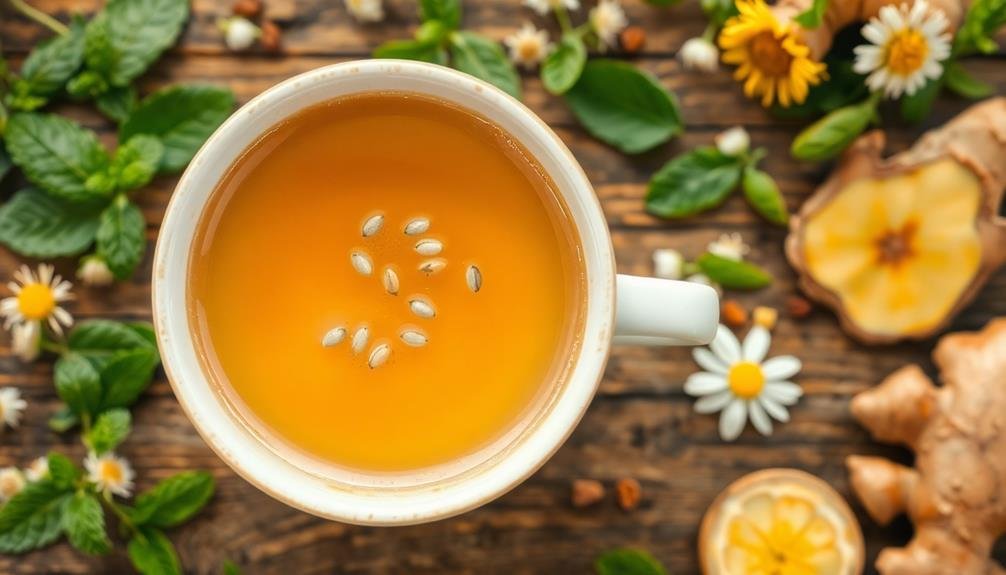
While fennel tea is effective on its own, combining it with other herbs can enhance its bloating-relief properties. You'll find that certain herb combinations work synergistically to soothe your digestive system and alleviate discomfort.
Peppermint, for instance, pairs well with fennel, as it helps relax the muscles in your digestive tract. Ginger is another excellent addition, known for its anti-inflammatory properties and ability to ease nausea.
When experimenting with herb combinations, consider these popular options:
- Fennel and chamomile for a calming effect
- Fennel and licorice root for added sweetness and digestive support
- Fennel and caraway seeds for improved digestion
- Fennel and lemon balm for stress relief and bloating reduction
- Fennel and dandelion root for liver support and detoxification
To create your own blend, start with a base of fennel seeds and add small amounts of your chosen herbs. You can adjust the ratios to suit your taste preferences and specific digestive needs.
Remember to steep your tea for at least 5-10 minutes to extract the full benefits of the herbs. By combining fennel with complementary herbs, you'll create a potent, natural remedy for bloating relief that's tailored to your body's needs.
When to Avoid Fennel Tea
Despite its numerous benefits, fennel seed tea isn't suitable for everyone. You should avoid consuming fennel tea if you're pregnant or breastfeeding, as it can affect hormone levels and potentially harm your baby.
If you have a history of estrogen-sensitive cancers, such as breast or ovarian cancer, it's best to steer clear of fennel tea due to its phytoestrogen content.
Those with allergies to carrots, celery, or other plants in the Apiaceae family should also be cautious, as they may experience an allergic reaction to fennel.
If you're taking certain medications, especially blood thinners or antibiotics, consult your doctor before drinking fennel tea, as it may interact with these drugs.
People with bleeding disorders should avoid fennel tea, as it can increase the risk of bleeding.
If you have low blood pressure, be aware that fennel tea may lower it further.
Finally, if you're scheduled for surgery, stop consuming fennel tea at least two weeks before the procedure to prevent potential complications.
Always consult your healthcare provider if you're unsure about incorporating fennel tea into your diet.
Fennel Tea for Pregnant Women

Pregnant women should generally avoid consuming fennel tea. While fennel has been traditionally used to support lactation and relieve digestive issues, its safety during pregnancy isn't well-established.
Some studies suggest that fennel may have estrogenic effects, which could potentially interfere with fetal development. It's always best to consult your healthcare provider before adding any herbal teas to your pregnancy diet.
If you're pregnant and considering fennel tea, keep these points in mind:
- Moderation is key: If approved by your doctor, limit intake to small amounts.
- Choose organic: Opt for high-quality, organic fennel tea to avoid pesticides.
- Watch for reactions: Monitor yourself for any unusual symptoms after consumption.
- Consider alternatives: Other pregnancy-safe teas may offer similar benefits.
- Timing matters: Avoid fennel tea during the first trimester when the fetus is most vulnerable.
Storing and Preserving Fennel Seeds
Proper storage of fennel seeds is essential for maintaining their potency and flavor. To guarantee your fennel seeds stay fresh and effective for making tea, you'll need to store them correctly. Keep your seeds in an airtight container, away from direct sunlight and heat sources. A cool, dark pantry or cupboard is ideal.
Glass jars with tight-fitting lids work well for storage, as they protect the seeds from moisture and air. You can also use resealable plastic bags, but be sure to squeeze out as much air as possible before sealing. Label your container with the date of purchase or harvesting to track freshness.
Whole fennel seeds can last up to 3-4 years when stored properly, while ground seeds typically maintain their quality for about 1-2 years. To extend shelf life, you can store fennel seeds in the refrigerator or freezer. Just be sure to bring them to room temperature before opening the container to prevent moisture from condensing on the seeds.
If you've harvested your own fennel seeds, dry them thoroughly before storage. Spread them on a clean, dry surface in a well-ventilated area for several days before transferring to an airtight container.
Frequently Asked Questions
Can Fennel Seed Tea Help With Weight Loss?
While fennel seed tea isn't a miracle weight loss solution, it might help you feel fuller and reduce bloating. It can support digestion and potentially curb cravings, which could indirectly contribute to your weight loss efforts.
Is Fennel Seed Tea Safe for Children to Drink?
While fennel seed tea is generally safe for older children, it's not recommended for infants or young toddlers. You should consult your pediatrician before giving it to your child, as it may interact with certain medications or conditions.
How Long Does It Take for Fennel Tea to Relieve Bloating?
You'll typically notice relief from bloating within 15-30 minutes after drinking fennel tea. However, it can vary depending on your body and the severity of bloating. For best results, sip it slowly and relax.
Can Fennel Seed Tea Interfere With Medication Absorption?
You should be cautious when drinking fennel seed tea with medications. It can potentially interfere with absorption. To be safe, don't consume it within two hours of taking your meds. Always consult your doctor for personalized advice.
Does Fennel Seed Tea Have Caffeine or Stimulant Properties?
You'll be glad to know fennel seed tea doesn't contain caffeine or stimulants. It's naturally caffeine-free and won't give you an energy boost. Instead, it offers a soothing, relaxing effect that's perfect for winding down.
In Summary
You've now explored the benefits of fennel seed tea for bloating relief. Remember, it's easy to prepare and can be a natural solution for digestive discomfort. Start with small doses and listen to your body. While generally safe, consult your doctor if you're pregnant or have certain health conditions. By incorporating fennel tea into your routine, you're taking a step towards better digestive health. Give it a try and see if it works for you!



Leave a Reply