

Holy basil tulsi tea acts as a powerful digestive aid thanks to its unique blend of active compounds. It contains eugenol, rosmarinic acid, and ursolic acid, which work together to reduce inflammation in your digestive tract. These compounds can help alleviate symptoms of IBS, acid reflux, and bloating. Tulsi tea's carminative properties also assist in relieving gas and promoting overall digestive comfort. By drinking 1-2 cups daily, you'll support a balanced gut microbiome and enhance your digestive health. Its anti-inflammatory effects extend beyond digestion, offering holistic benefits for your well-being. Discover how this ancient Ayurvedic remedy can transform your digestive health.
Understanding Holy Basil Tulsi Tea

While many people are familiar with common teas like green or black, Holy Basil Tulsi tea remains a hidden gem in the world of herbal infusions. This aromatic brew comes from the Ocimum tenuiflorum plant, also known as Tulsi or holy basil. Native to the Indian subcontinent, it's been used for thousands of years in Ayurvedic medicine for its numerous health benefits.
You'll find Holy Basil Tulsi tea in three main varieties: Krishna, Rama, and Vana. Each has a distinct flavor profile, ranging from peppery to mildly sweet. The tea is caffeine-free and rich in antioxidants, making it a popular choice for those seeking a healthier alternative to traditional teas.
To prepare Holy Basil Tulsi tea, you'll typically steep dried leaves in hot water for 5-7 minutes. You can enjoy it hot or cold, with or without sweeteners.
The tea's unique blend of compounds, including eugenol, carvacrol, and ursolic acid, contributes to its potential health benefits. These components work together to support various bodily functions, including digestion, stress relief, and immune system support.
Digestive Properties of Tulsi
You'll find that tulsi tea offers powerful digestive benefits through its anti-inflammatory effects.
It can reduce inflammation in your gastrointestinal tract, potentially easing conditions like irritable bowel syndrome.
Additionally, tulsi's carminative action helps relieve gas and bloating, making it an effective remedy for digestive discomfort.
Anti-Inflammatory Effects
How does tulsi tea combat digestive inflammation? Tulsi, or holy basil, contains powerful compounds that help reduce inflammation throughout your digestive system. When you drink tulsi tea, you're ingesting eugenol, rosmarinic acid, and other polyphenols that act as natural anti-inflammatory agents.
These compounds work by inhibiting the production of pro-inflammatory molecules in your body, such as cytokines and prostaglandins. They also help neutralize free radicals, which can cause oxidative stress and contribute to inflammation. By reducing inflammation in your gut, tulsi tea can alleviate symptoms of digestive disorders like irritable bowel syndrome, ulcerative colitis, and acid reflux.
Additionally, tulsi's anti-inflammatory properties extend beyond your digestive tract. It can help reduce systemic inflammation, which is linked to various chronic diseases. This broader anti-inflammatory effect may indirectly support your digestive health by promoting overall wellness.
Regular consumption of tulsi tea can create a more balanced inflammatory response in your body, potentially leading to improved digestion, reduced bloating, and less discomfort after meals.
It's a natural way to support your digestive system's health and function.
Carminative Action
Tulsi tea's carminative action is one of its most beneficial digestive properties. When you consume this aromatic beverage, it helps reduce gas and bloating in your digestive system. The essential oils in holy basil stimulate the production of digestive enzymes, which break down food more efficiently and prevent the formation of excess gas.
The carminative effects of Tulsi tea can provide relief from common digestive discomforts. It's particularly effective in soothing an upset stomach and easing indigestion. By promoting the expulsion of gas, Tulsi tea helps alleviate abdominal pain and discomfort associated with flatulence.
Here are three key ways Tulsi tea's carminative action benefits your digestive system:
- Reduces bloating and flatulence
- Enhances the production of digestive enzymes
- Soothes stomach discomfort and indigestion
Regular consumption of Tulsi tea can help maintain a healthy digestive tract. Its carminative properties work in conjunction with its anti-inflammatory effects to promote overall gut health.
Active Compounds in Holy Basil
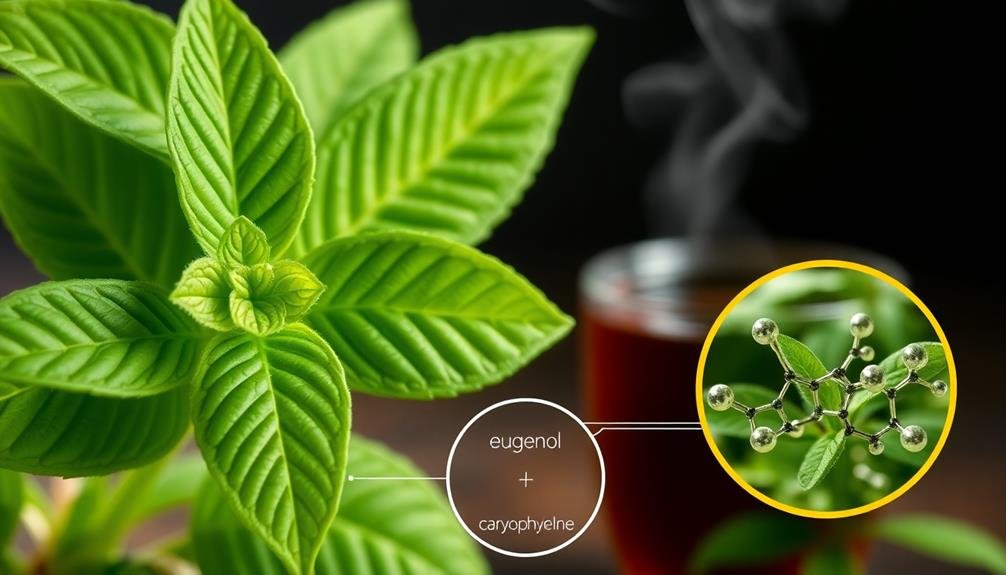
The active compounds in holy basil contribute considerably to its powerful digestive benefits. You'll find a rich array of bioactive components in this herb, including eugenol, rosmarinic acid, and ursolic acid. These compounds work synergistically to support your digestive system.
Eugenol, the primary essential oil in holy basil, acts as a natural antispasmodic and carminative agent. It helps relax your digestive tract muscles, reducing cramping and bloating.
Rosmarinic acid, a potent antioxidant, aids in protecting your gut lining from inflammation and oxidative stress. This can improve overall digestive health and nutrient absorption.
Ursolic acid, a triterpenoid compound, has been shown to have gastroprotective properties. It may help prevent ulcers and reduce stomach acid production.
Additionally, holy basil contains flavonoids like luteolin and apigenin, which have anti-inflammatory effects that can soothe your digestive system.
The combination of these active compounds makes holy basil a powerful digestive aid. When you drink holy basil tea, you're harnessing the collective benefits of these bioactive components to support your digestive health and comfort.
Addressing Common Digestive Issues
Faced with common digestive issues, many people turn to holy basil tea for relief. This aromatic brew can help alleviate various digestive problems, including bloating, gas, and indigestion. Holy basil's carminative properties aid in reducing excess gas in your digestive tract, while its anti-inflammatory effects can soothe an upset stomach.
If you're struggling with acid reflux, holy basil tea may offer some respite. It can help balance stomach acid production, potentially reducing the frequency and severity of heartburn. Additionally, this tea's antimicrobial properties can combat harmful bacteria in your gut, promoting a healthier digestive environment.
For those dealing with irritable bowel syndrome (IBS), holy basil tea might provide some relief. Its calming effects on the digestive system can help reduce cramping and discomfort associated with IBS.
Here's how holy basil tea addresses common digestive issues:
- Reduces bloating and gas by promoting proper digestion
- Soothes inflammation in the digestive tract, easing discomfort
- Supports a balanced gut microbiome, improving overall digestive health
Preparing Tulsi Tea for Digestion
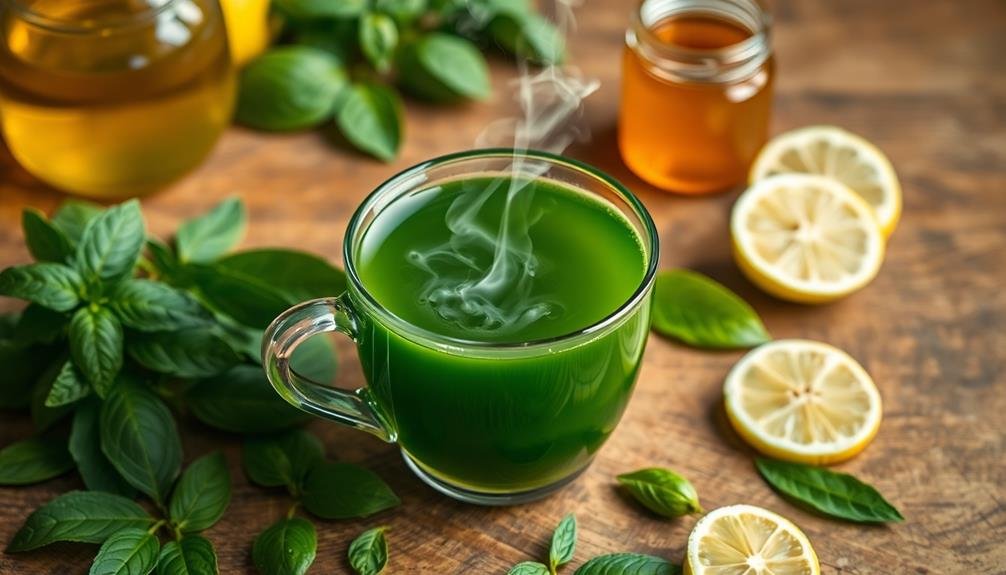
When preparing Holy Basil Tulsi tea for digestive benefits, you'll need to take into account steeping time, temperature, and proper dosage.
You can enhance the tea's effectiveness by blending it with other herbs known for their digestive properties.
Remember to follow recommended guidelines for preparation to maximize the tea's potential as a digestive aid.
Steeping Time and Temperature
Properly steeping holy basil tulsi tea is essential for maximizing its digestive benefits. To achieve the ideal infusion, you'll want to pay close attention to both steeping time and water temperature.
For tulsi tea, use water that's just below boiling point, around 195°F (90°C). This temperature helps extract the beneficial compounds without damaging them.
As for steeping time, aim for 5-7 minutes. This duration allows enough time for the active compounds to be released into the water without making the tea too bitter. If you prefer a stronger flavor, you can steep for up to 10 minutes, but be aware that this may result in a more robust taste.
To get the most out of your tulsi tea for digestion:
- Use loose leaves or high-quality tea bags for better flavor and potency
- Cover your cup while steeping to prevent the volatile oils from escaping
- Avoid adding milk, as it may interfere with the absorption of some beneficial compounds
Proper Dosage Considerations
To get the most out of holy basil tulsi tea for digestive health, it's vital to evaluate proper dosage. While there's no universal recommendation, most experts suggest starting with 1-2 cups daily. You can gradually increase this to 3-4 cups if needed, but don't exceed 5 cups per day.
For acute digestive issues, you might consider drinking a cup before meals to stimulate digestive enzymes. If you're using tulsi for general gut health, space your intake throughout the day. Remember, everyone's body responds differently, so pay attention to how you feel and adjust accordingly.
If you're using dried tulsi leaves, use about 1-2 teaspoons per cup of water. For fresh leaves, double that amount. Pre-packaged tea bags typically contain the right dosage, but check the package instructions. It's important to maintain consistency in your dosage to experience the full benefits.
Be aware that tulsi can interact with certain medications, particularly blood thinners and diabetes drugs. If you're pregnant, nursing, or have any existing health conditions, consult your healthcare provider before incorporating tulsi tea into your routine.
Blending With Other Herbs
Blending tulsi with other herbs can enhance its digestive benefits and create a more flavorful tea experience. When preparing your tulsi tea for digestion, consider combining it with complementary herbs known for their gastrointestinal support.
Ginger, for example, pairs well with tulsi and can help reduce bloating and nausea. Peppermint is another excellent choice, as it soothes the digestive tract and eases stomach discomfort.
To create a powerful digestive blend, you'll want to:
- Choose herbs that target specific digestive issues you're experiencing
- Balance flavors to guarantee a pleasant taste
- Experiment with ratios to find your perfect blend
Fennel seeds are a great addition if you're dealing with gas or indigestion, while chamomile can help calm an upset stomach. Licorice root adds a natural sweetness and supports overall digestive health.
When blending, start with a base of tulsi and add small amounts of other herbs until you achieve your desired flavor and therapeutic effect. Remember that each herb has its own unique properties, so it's crucial to research potential interactions and consult with a healthcare professional if you have any concerns.
Combining Tulsi With Other Herbs
Many herbal tea enthusiasts find that combining Holy Basil (Tulsi) with other herbs can enhance its digestive benefits and create more complex flavor profiles.
You'll discover that pairing Tulsi with ginger can boost its anti-inflammatory properties and soothe an upset stomach. Peppermint, when combined with Tulsi, can help relieve bloating and indigestion while adding a revitalizing flavor.
For those seeking to improve overall digestive health, consider blending Tulsi with chamomile. This combination can calm your digestive system and reduce stress-related stomach issues.
If you're looking to support liver function, mix Tulsi with dandelion root or milk thistle. These herbs work synergistically to promote detoxification and aid digestion.
To address specific digestive concerns, try combining Tulsi with fennel seeds for gas relief or licorice root for acid reflux. For a more potent digestive blend, you can add a small amount of turmeric to your Tulsi tea.
This combination offers powerful anti-inflammatory benefits and may help reduce digestive discomfort. Remember to start with small amounts of each herb and adjust to your taste preferences and digestive needs.
Precautions and Potential Side Effects
While Holy Basil tea offers numerous health benefits, it's vital to be aware of potential side effects and necessary precautions. Although generally safe for most people, some individuals may experience adverse reactions. You might notice mild digestive discomfort, such as nausea or diarrhea, especially when consuming large amounts.
If you're pregnant or breastfeeding, consult your healthcare provider before drinking Tulsi tea, as its effects on fetal development aren't fully understood.
Be cautious if you're taking blood-thinning medications, as Holy Basil may increase bleeding risk. It can also interact with certain diabetes medications, potentially lowering blood sugar levels too much. If you have a scheduled surgery, stop drinking Tulsi tea at least two weeks before to avoid complications.
To guarantee safe consumption of Holy Basil tea:
- Start with small amounts to test your tolerance
- Pay attention to any unusual symptoms or reactions
- Consult your doctor if you have pre-existing medical conditions or take medications
Frequently Asked Questions
Can Holy Basil Tulsi Tea Help With Acid Reflux?
Yes, holy basil tulsi tea can help with acid reflux. It's known to reduce stomach acid and soothe the digestive system. You'll find it can alleviate heartburn symptoms and promote overall digestive health when consumed regularly.
How Long Does It Take for Tulsi Tea to Improve Digestion?
You'll likely notice digestive improvements from tulsi tea within a few days of regular consumption. However, it can take 2-4 weeks for more significant effects. Stick with it consistently to experience the full benefits for your digestion.
Is Tulsi Tea Safe for Pregnant Women to Drink?
You should be cautious about drinking tulsi tea during pregnancy. While it's generally safe in small amounts, it's best to consult your doctor first. They'll consider your specific health needs and advise you accordingly.
Can Children Consume Holy Basil Tulsi Tea for Digestive Issues?
You shouldn't give children holy basil tulsi tea for digestive issues without consulting a doctor first. While it's generally safe for adults, its effects on children aren't well-studied. There may be better, child-specific remedies available.
Does Tulsi Tea Interact With Any Medications or Supplements?
You should be cautious when mixing tulsi tea with medications or supplements. It can interact with blood thinners, diabetes drugs, and thyroid medications. Always consult your doctor before adding tulsi to your routine if you're taking any medications.
In Summary
You've now learned about holy basil tulsi tea's digestive benefits. By incorporating this ancient herb into your routine, you're tapping into nature's pharmacy for gut health. Remember to prepare it properly and consider combining it with other herbs for enhanced effects. While tulsi is generally safe, don't forget to consult your healthcare provider, especially if you're pregnant or on medication. Embrace tulsi tea as part of your digestive wellness journey.



Leave a Reply