

Start with high-quality loose leaf teas as your base, then explore complementary flavor profiles to create balanced blends. Experiment with herb combinations, adjusting proportions for ideal taste. Don't forget aromatic ingredients like dried flowers or spices to add depth and complexity. Store your creations in airtight containers away from light and heat to preserve freshness. Conduct regular tasting sessions to refine your blends, taking notes on adjustments. Remember to take into account both flavor and aroma when crafting your perfect cup. With these expert tips, you'll be well on your way to becoming a master tea blender. The world of custom tea creation awaits your exploration.
Choose High-Quality Base Teas
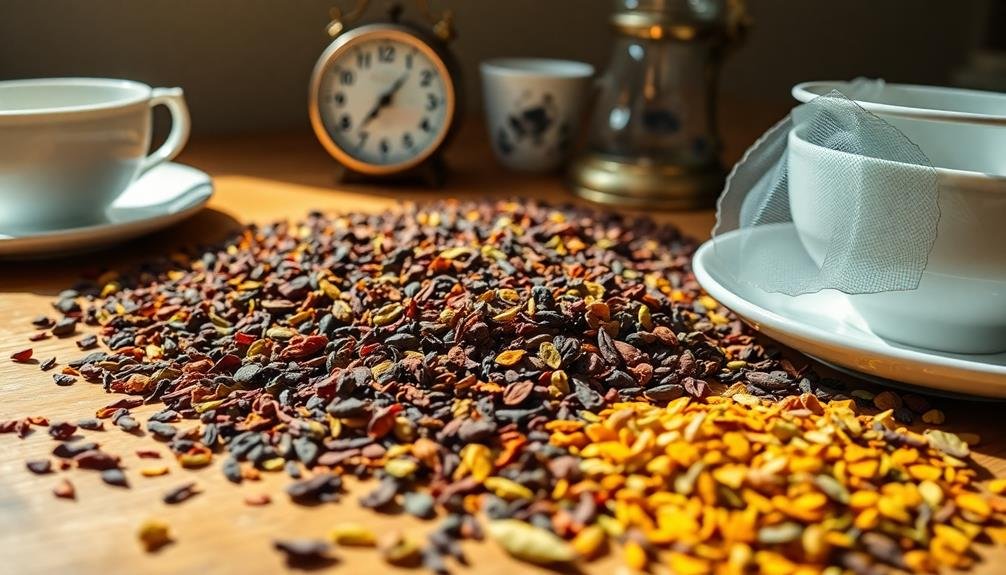
The foundation of any great tea blend starts with selecting high-quality base teas. When choosing your base teas, opt for loose leaf varieties rather than tea bags, as they typically offer superior flavor and aroma. Look for whole leaves or large leaf pieces, which indicate better quality and more nuanced tastes.
Consider starting with classic base teas like black, green, white, or oolong, depending on your desired flavor profile. Pay attention to the tea's origin and harvest date, as fresher teas generally provide better results. Research reputable tea suppliers and consider purchasing small samples before committing to larger quantities.
Don't be afraid to experiment with different grades and cultivars of the same tea type to find the perfect foundation for your blend. When evaluating base teas, use your senses. Observe the dry leaves' appearance, smell their aroma, and taste them individually before blending.
This will help you understand each tea's unique characteristics and how they might interact with other ingredients. Remember that the quality of your base tea will greatly impact the overall taste and complexity of your final blend, so choose wisely.
Understand Flavor Profiles
To create exceptional tea blends, you'll need to grasp the basic taste components: sweet, sour, bitter, salty, and umami.
You'll want to explore complementary flavor pairings, such as floral notes with citrus or spicy elements with sweet undertones.
Don't forget to reflect on the aroma and mouthfeel of your blend, as these factors greatly impact the overall drinking experience.
Basic Taste Components
Understanding the basic taste components is essential when blending your own tea. The five primary taste sensations you'll encounter are sweet, sour, salty, bitter, and umami. Each of these plays a significant role in creating a well-balanced and flavorful tea blend.
Sweet flavors come from ingredients like licorice root, stevia, or fruit pieces. They can soften bitter notes and add depth to your blend.
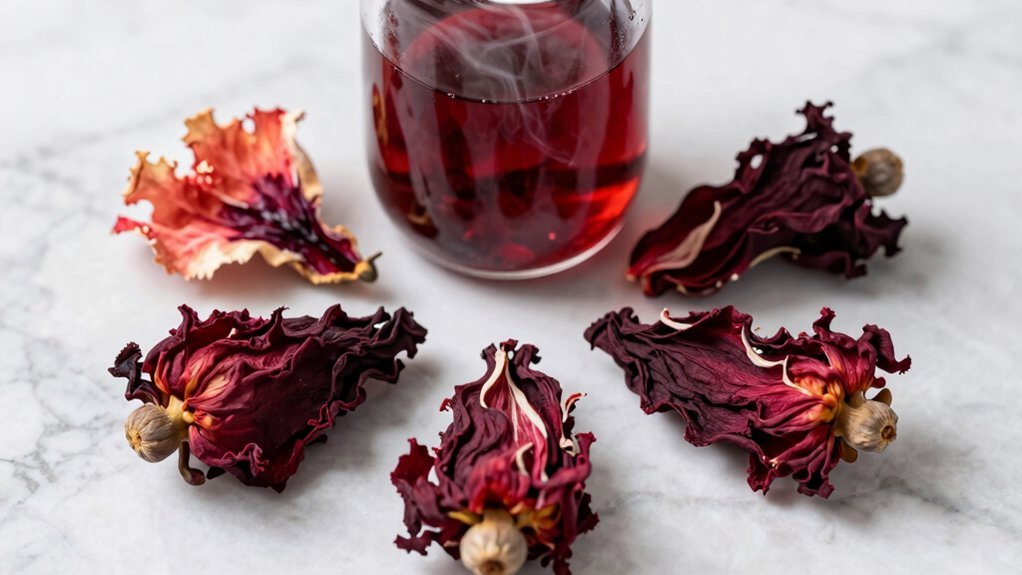
Sour tastes, found in hibiscus or certain fruits, bring brightness and tang. While not common in tea, a touch of salt can enhance other flavors.
Bitter notes, often from tea leaves themselves or herbs like dandelion, provide complexity and balance. Umami, a savory taste, is present in green teas and can add richness to your blend.
When creating your tea, consider how these tastes interact. You'll want to strike a balance, ensuring no single flavor overpowers the others.
Experiment with different ratios of ingredients to achieve your desired taste profile. Remember, the art of tea blending lies in harmonizing these basic components to create a unique and enjoyable sensory experience.
Complementary Flavor Pairings
Diving into complementary flavor pairings can take your tea blending to the next level. To create harmonious blends, you'll need to understand which flavors work well together. Start by considering classic combinations like mint and chocolate, lemon and ginger, or vanilla and cinnamon. These pairings have stood the test of time for good reason.
Next, explore more adventurous combinations. Try pairing floral notes with fruit flavors, such as jasmine with peach or rose with strawberry. Spicy and sweet flavors can also create an interesting contrast, like chai spices with vanilla or cardamom with orange.
Don't forget about herbal elements; chamomile pairs well with lavender, while lemongrass complements ginger nicely.
When experimenting, think about balancing flavors. If you're using a strong, bold taste like bergamot, pair it with a milder flavor like vanilla to avoid overwhelming the palate. Similarly, if you're working with a delicate green tea base, choose subtle complementary flavors that won't overpower it.
Aroma and Mouthfeel
Beyond flavor pairings, aroma and mouthfeel play essential roles in creating a memorable tea blend. When selecting ingredients, consider their aromatic profiles and how they'll contribute to the overall scent of your blend. Floral notes from chamomile or lavender can add a delicate fragrance, while citrus peels provide a zesty, uplifting aroma.
Pay attention to the mouthfeel of different tea leaves and herbs. Some ingredients, like rooibos or honeybush, offer a smooth, full-bodied texture, while others, such as mint or lemongrass, can create a revitalizing, light sensation. Experiment with various combinations to achieve your desired balance of aroma and texture.
To enhance the aroma of your blend, consider adding aromatic spices like cinnamon, cardamom, or star anise. These can create a warming, comforting scent that complements the tea's flavor profile.
For mouthfeel, you can incorporate ingredients like licorice root for sweetness and a silky texture, or rose petals for a subtle, velvety feel.
Remember that brewing temperature and steeping time can affect both aroma and mouthfeel. Adjust these factors to fine-tune your blend's sensory characteristics and create a truly unique tea experience.
Experiment With Herb Combinations
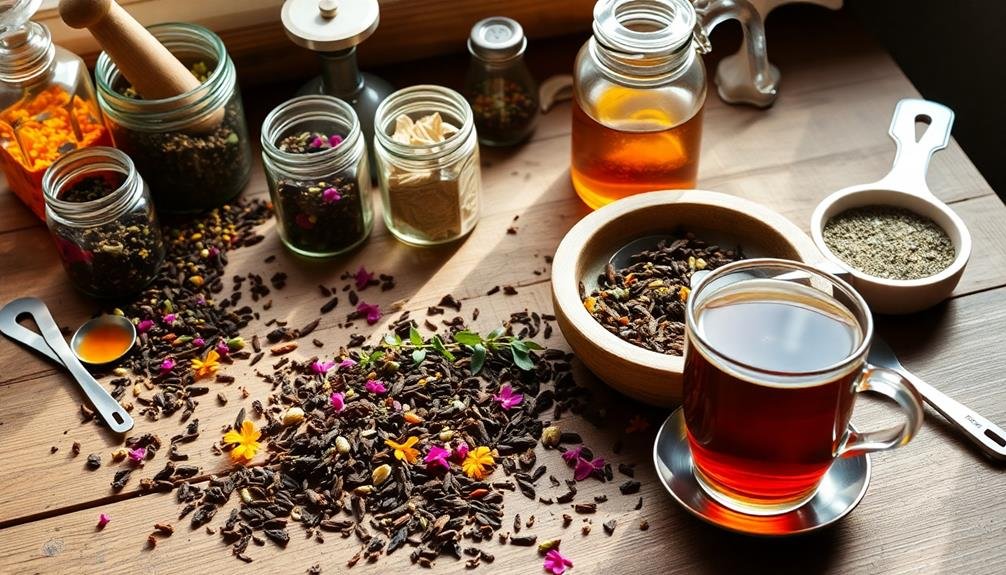
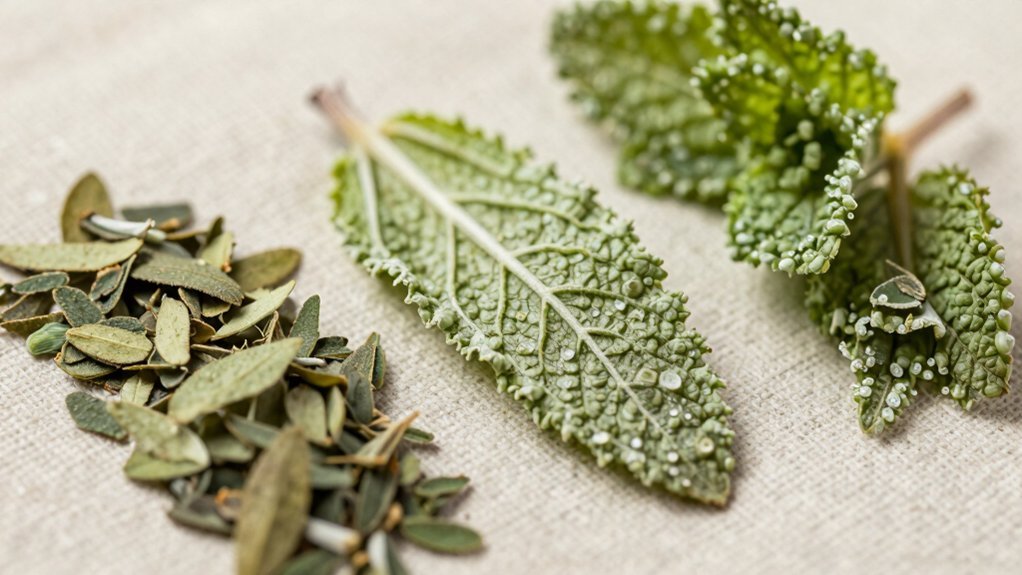
Creativity flourishes when you start experimenting with herb combinations for your custom tea blends. Begin by selecting a base herb, such as chamomile or peppermint, then add complementary flavors. Don't be afraid to mix unexpected ingredients; you might discover a unique and delightful combination.
Reflect on the following popular herb pairings to inspire your blends:
| Base Herb | Complementary Herb 1 | Complementary Herb 2 |
|---|---|---|
| Chamomile | Lavender | Lemon Balm |
| Peppermint | Spearmint | Licorice Root |
| Rooibos | Vanilla | Cinnamon |
| Hibiscus | Rose Hips | Orange Peel |
| Lemongrass | Ginger | Turmeric |
Start with small batches, adjusting the proportions until you achieve the desired flavor profile. Remember that some herbs have stronger flavors than others, so use them sparingly. Keep notes on your experiments to replicate successful blends and learn from less successful ones. You'll also want to reflect on the potential health benefits of different herbs, as many offer unique properties that can enhance your tea's overall appeal. With practice, you'll develop a keen sense for balancing flavors and creating harmonious blends that suit your taste preferences.
Balance Proportions for Optimal Taste
Achieving the perfect balance of flavors in your tea blend requires careful attention to proportions.
Start by selecting a base tea, which should make up about 60-70% of your blend. This could be black, green, white, or oolong tea.
Next, add your primary flavoring ingredient, accounting for 20-30% of the mix. This might be a herb, spice, or dried fruit that'll dominate the taste profile.
For the remaining 10-20%, incorporate secondary and accent ingredients. These should complement the primary flavor without overpowering it.
Use stronger flavors sparingly; a little goes a long way. For example, if you're using peppermint as a primary flavor, add just a pinch of licorice root for depth.
Consider Aromatic Ingredients
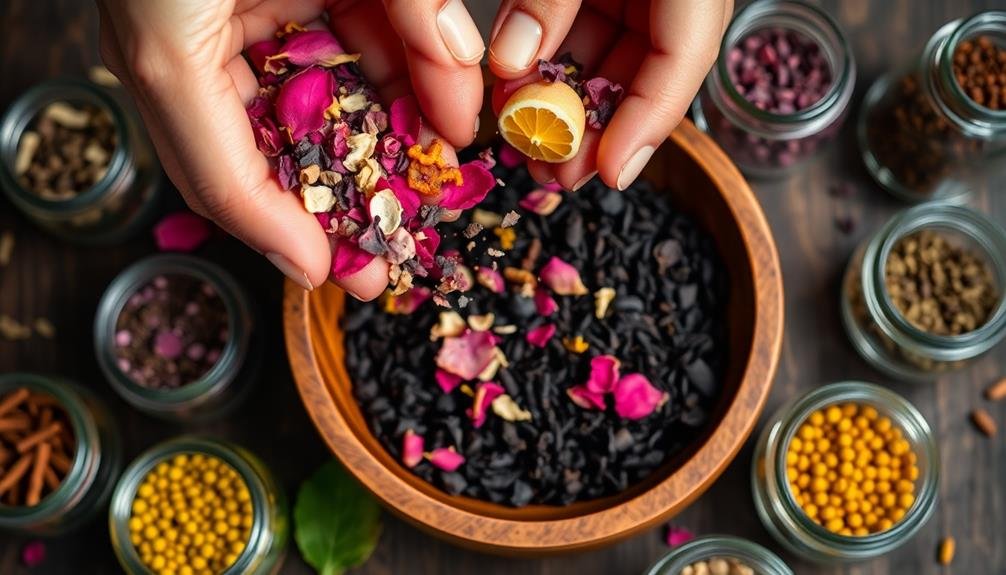
When crafting your tea blend, don't overlook the power of aromatic ingredients. These fragrant additions can elevate your tea's sensory experience, enhancing both taste and aroma.
Consider incorporating dried flowers like lavender, chamomile, or rose petals for a delicate floral note. Citrus peels, such as lemon or orange, can add a zesty brightness to your blend.
Spices are another excellent option for aromatic enhancement. Cinnamon, cardamom, and star anise can impart warmth and complexity to your tea. For a more exotic twist, try adding a pinch of saffron or a few strands of vanilla bean.
Herbs like mint, lemongrass, or basil can provide a rejuvenating and invigorating element to your blend.
When selecting aromatic ingredients, pay attention to their potency. Some, like peppermint or cloves, are quite strong and should be used sparingly.
Others, such as rose petals or jasmine flowers, may require a larger quantity to achieve the desired effect. Experiment with different combinations and ratios to find the perfect balance of aromas that complement your base tea without overpowering it.
Properly Store Your Blends
Once you've crafted your perfect tea blend, proper storage is crucial to maintain its quality and flavor. Keep your blends in airtight containers to prevent moisture and odors from affecting the tea. Choose containers made of materials like glass, ceramic, or metal that won't impart any unwanted flavors.
Avoid plastic, as it can absorb odors and affect the taste of your blend.
Store your tea blends in a cool, dark place away from direct sunlight, heat sources, and strong odors. Exposure to light and heat can degrade the quality of your tea and alter its flavor profile. A pantry or cupboard is ideal for storage.
If you've used fresh ingredients in your blend, such as dried fruits or flowers, consider refrigerating the mixture to extend its shelf life.
Label your containers with the blend's name, ingredients, and the date you created it. This will help you track the freshness of your teas and adjust your blending recipes as needed.
For best flavor, consume your blends within six months to a year, depending on the ingredients used. By following these storage guidelines, you'll guarantee that your custom tea blends retain their unique flavors and aromas for as long as possible.
Fine-Tune Through Tasting Sessions
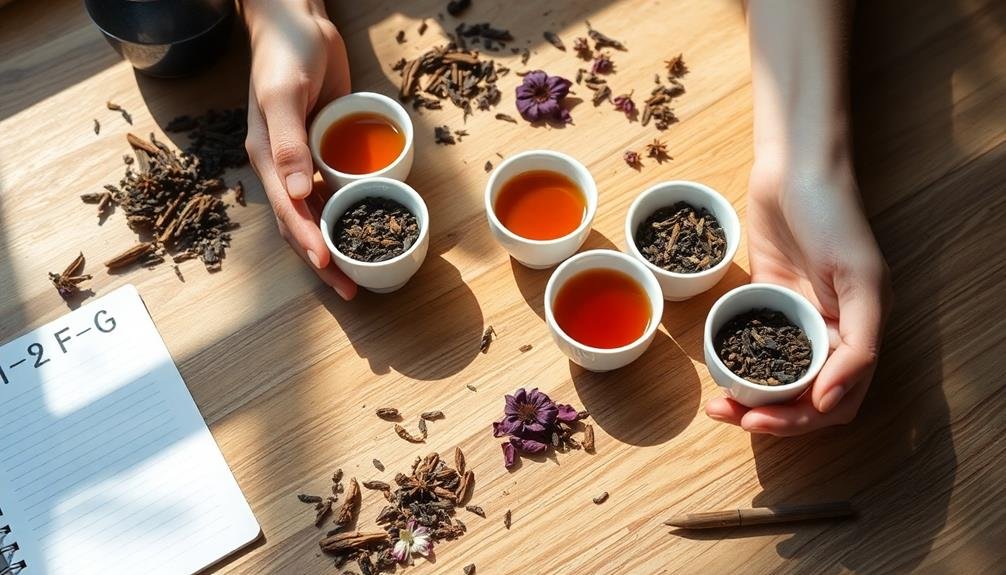
After creating your initial tea blends, it's essential to refine them through tasting sessions.
Begin by brewing small batches of your blends and tasting them critically. Pay attention to the aroma, flavor profile, and overall balance. Take notes on what you like and what needs improvement.
Invite friends or family members to participate in blind tastings. Their unbiased opinions can provide valuable insights into your blends' strengths and weaknesses. Consider their feedback and adjust your recipes accordingly.
Experiment with steeping times and temperatures to find the best brewing method for each blend. Some teas may require longer steeping times or cooler water to bring out their best qualities.
Don't be afraid to make small adjustments to your blends. Add or reduce certain ingredients to achieve the desired flavor profile. Keep detailed records of your changes to track your progress and avoid repeating unsuccessful combinations.
As you fine-tune your blends, you'll develop a better understanding of how different ingredients interact and complement each other.
This knowledge will help you create more sophisticated and nuanced tea blends in the future.
Frequently Asked Questions
How Long Can I Store My Homemade Tea Blends?
You can store your homemade tea blends for up to 6 months in airtight containers. Keep them in a cool, dark place away from moisture and strong odors. Always check for freshness before use and discard if it smells off.
What Equipment Do I Need to Start Blending My Own Teas?
You'll need a few basic items to start blending teas: a digital scale, airtight containers, measuring spoons, and a notebook. Don't forget labels, a mortar and pestle, and fine-mesh strainers. Finally, invest in quality ingredients and storage bags.
Can I Blend Tea With Coffee or Other Non-Tea Ingredients?
Yes, you can blend tea with coffee or other non-tea ingredients. It's called a "fusion blend." You'll find unique flavors by mixing tea with herbs, spices, fruits, or even coffee. Experiment to discover your favorite combinations.
Are There Any Health Considerations When Creating Custom Tea Blends?
You should consider potential allergens and interactions with medications when creating custom tea blends. It's wise to research ingredients thoroughly and consult a healthcare professional if you're unsure about specific herbs or have health concerns.
How Can I Create Caffeine-Free Versions of Popular Tea Blends?
You can create caffeine-free versions of popular tea blends by using herbal ingredients. Replace black, green, or white tea with rooibos, chamomile, or mint as your base. Experiment with spices and dried fruits to mimic flavors you enjoy.
In Summary
You're now equipped with expert tips to create your own unique tea blends. Start with quality base teas, explore flavor profiles, and mix herbs creatively. Remember to balance proportions, add aromatic ingredients, and store your blends properly. Don't forget to fine-tune through tasting sessions. With practice, you'll develop your own signature teas that reflect your personal taste. So grab your ingredients and start blending – a world of delicious possibilities awaits you!


Leave a Reply