
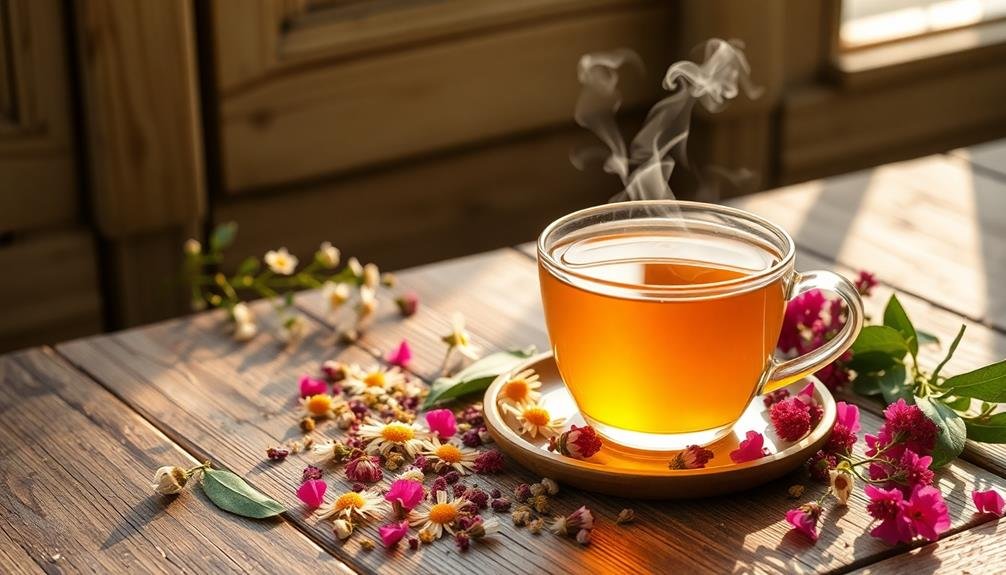
Menopause can bring challenging symptoms, but nature's herbal teas offer soothing relief. You'll find various options to ease hot flashes, night sweats, and mood swings. Black cohosh root tea may alleviate multiple symptoms, while red clover blossom blend contains isoflavones that mimic estrogen. Sage leaf infusion can help manage hot flashes, and chamomile with lavender enhances sleep quality. For hormone balance, try licorice root or dong quai. Lemon balm and St. John's Wort can address mood-related issues. You can even create your own custom blend tailored to your specific needs. Discover how these natural remedies can transform your menopausal journey.
Understanding Menopause and Its Symptoms
What exactly happens during menopause? It's a natural biological process marking the end of your reproductive years. Typically occurring between ages 45 and 55, menopause is officially diagnosed after you've gone 12 consecutive months without a menstrual period.
During this change, your ovaries gradually produce less estrogen and progesterone. These hormonal changes can lead to a variety of symptoms, which you might experience for several years before and after your final period. Common symptoms include hot flashes, night sweats, mood swings, and sleep disturbances.
You may also notice changes in your skin's elasticity, vaginal dryness, and a decrease in bone density. Some women report difficulty concentrating, memory issues, and weight gain.
It's important to remember that every woman's experience with menopause is unique, and you may not experience all these symptoms.
While menopause is a natural part of aging, its symptoms can be disruptive to your daily life. Understanding what's happening in your body can help you better manage these changes and seek appropriate support or treatment when needed.
Benefits of Herbal Teas
While managing menopause symptoms can be challenging, many women have found relief through natural remedies like herbal teas. These aromatic brews offer a soothing and natural approach to easing various menopausal discomforts. Herbal teas can provide gentle support for your body during this pivotal phase, helping to alleviate common symptoms and promote overall well-being.
The benefits of herbal teas for menopausal women are numerous:
- They're caffeine-free alternatives that won't disrupt your sleep or exacerbate hot flashes.
- Many herbs contain phytoestrogens, which can help balance hormone levels naturally.
- Herbal teas often have calming properties that can reduce stress and anxiety associated with menopause.
You'll find that regularly consuming herbal teas can improve your mood, reduce the frequency and intensity of hot flashes, and even help with bone health.
Some teas may also aid in managing weight gain and improving cognitive function, which are common concerns during menopause. By incorporating these natural remedies into your daily routine, you're taking a proactive step towards managing your symptoms and improving your overall quality of life during this significant life change.
Black Cohosh Root Tea
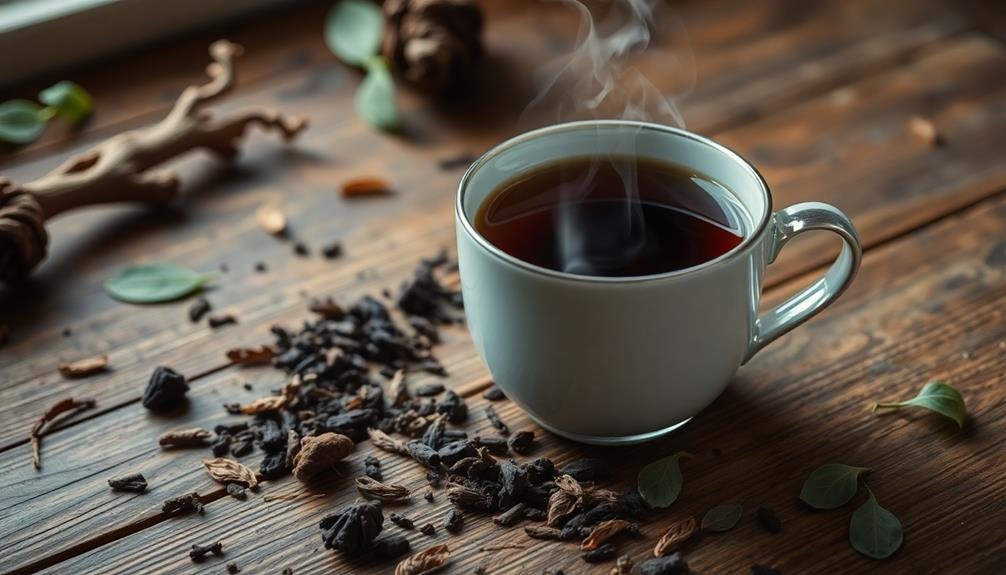
Black cohosh root tea can offer relief from hot flashes, night sweats, and mood swings associated with menopause.
You'll typically steep 1-2 teaspoons of dried root in hot water for 10-15 minutes, consuming up to three cups daily.
While generally safe, you should be aware of potential side effects such as headaches, stomach discomfort, or liver problems in rare cases.
Benefits for Menopausal Symptoms
Among the many herbal remedies for menopausal symptoms, black cohosh root tea stands out as a popular and potentially effective option. You'll find that this herbal tea may offer relief for several common menopausal discomforts.
Research suggests that black cohosh can help alleviate:
- Hot flashes and night sweats
- Mood swings and irritability
- Sleep disturbances
When you drink black cohosh root tea regularly, you might notice a reduction in the frequency and intensity of hot flashes, which can greatly improve your quality of life during menopause.
It's believed that the active compounds in black cohosh interact with your body's hormonal system, potentially mimicking the effects of estrogen.
Additionally, you may experience improvements in your mood and emotional well-being. Many women report feeling more balanced and less prone to irritability when incorporating this tea into their daily routine.
If you've been struggling with sleep issues related to menopause, black cohosh root tea might help you achieve more restful nights.
While individual results can vary, many women find this herbal remedy to be a valuable addition to their menopausal symptom management plan.
Preparation and Dosage
Now that you're aware of the potential benefits, let's focus on how to prepare and consume black cohosh root tea effectively.
To make this herbal remedy, you'll need dried black cohosh root, which you can find in health food stores or online. Start by adding 1-2 teaspoons of the dried root to a cup of boiling water. Let it steep for 10-15 minutes, then strain and drink.
For best results, it's recommended to consume black cohosh root tea 2-3 times daily. However, it's essential to stick to the recommended dosage, as excessive consumption may lead to side effects.
Begin with one cup a day and gradually increase if needed. Don't exceed 3 cups daily.
Potential Side Effects
While generally considered safe, black cohosh root tea can occasionally cause side effects in some individuals.
It's important to be aware of these potential reactions before incorporating this herbal remedy into your menopause management routine. Pay attention to your body's response and discontinue use if you experience any adverse effects.
Common side effects of black cohosh root tea include:
- Gastrointestinal distress: You might notice mild stomach discomfort, nausea, or diarrhea after consuming the tea.
- Headaches: Some women report experiencing headaches or migraines when using black cohosh.
- Skin reactions: In rare cases, you may develop a rash or other skin irritations.
If you're taking medications or have pre-existing health conditions, consult your healthcare provider before using black cohosh root tea.
It can interact with certain drugs, including blood thinners and hormone therapies. Additionally, there's a potential link between black cohosh and liver damage, though this is rare.
If you notice symptoms like jaundice, dark urine, or abdominal pain, seek medical attention immediately.
Red Clover Blossom Blend
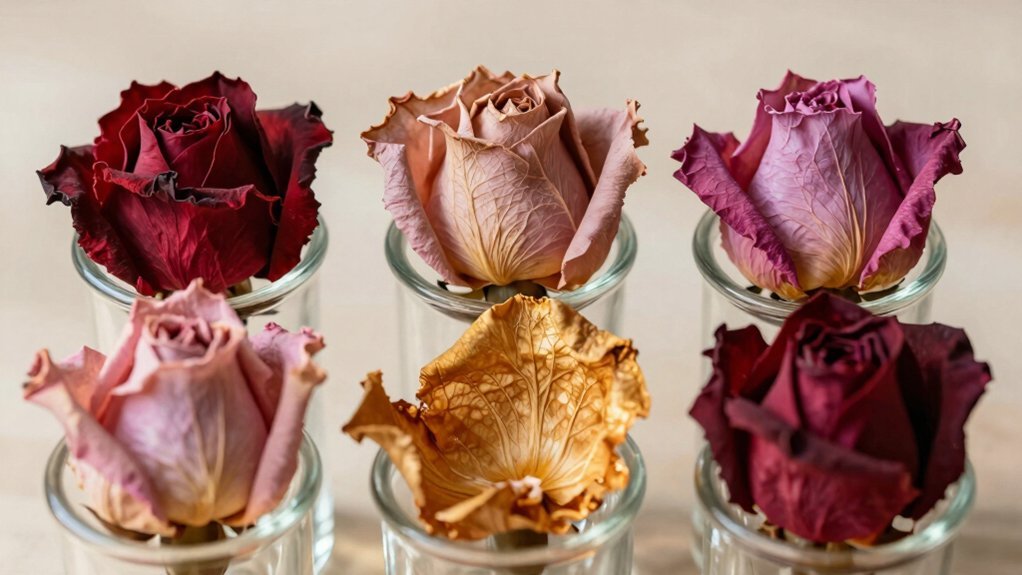
Red clover blossom blend offers relief for menopausal hot flashes due to its high content of isoflavones.
You can easily prepare this herbal tea by steeping 1-2 teaspoons of dried red clover blossoms in hot water for 10-15 minutes.
Strain the tea and enjoy it up to three times daily to potentially reduce the frequency and intensity of your hot flashes.
Benefits for Hot Flashes
Three key benefits make red clover blossom blend a popular choice for managing hot flashes during menopause. This herbal tea contains isoflavones, which are plant-based compounds that mimic estrogen in your body. As your estrogen levels decline during menopause, these isoflavones can help alleviate the intensity and frequency of hot flashes.
Red clover's benefits for hot flashes include:
- Reducing the severity of hot flashes by regulating body temperature
- Decreasing the frequency of hot flash episodes throughout the day and night
- Improving overall comfort and quality of life during menopause
You'll find that red clover blossom blend not only targets hot flashes but also addresses other menopause symptoms. It may help reduce night sweats, mood swings, and vaginal dryness.
Additionally, this herbal tea supports bone health, which is vital during menopause when bone density can decline.
To experience the full benefits, it's recommended to drink 2-3 cups of red clover tea daily.
However, always consult your healthcare provider before starting any new herbal regimen, especially if you have a history of hormone-sensitive conditions or are taking medications.
Preparing Red Clover Tea
Curious about how to brew the perfect cup of red clover tea? Start by sourcing high-quality, organic red clover blossoms. You'll need about 1-2 teaspoons of dried blossoms per cup of water.
Bring fresh, cold water to a boil in a kettle or pot. Once boiling, remove from heat and let it cool for about 30 seconds. This slight cooling prevents scalding the delicate blossoms.
Place the dried red clover blossoms in a tea infuser or directly in your cup. Pour the hot water over the blossoms and steep for 10-15 minutes. The longer you steep, the stronger the flavor and potential benefits.
After steeping, remove the infuser or strain out the blossoms if they're loose in the cup. You can enhance the taste by adding a touch of honey or lemon, if desired.
For a stronger brew, you can make a red clover infusion. Use 1 ounce of dried blossoms per quart of water. Steep for 4-8 hours or overnight.
Strain and store in the refrigerator for up to 3 days. Drink 1-3 cups daily to potentially alleviate menopausal symptoms.
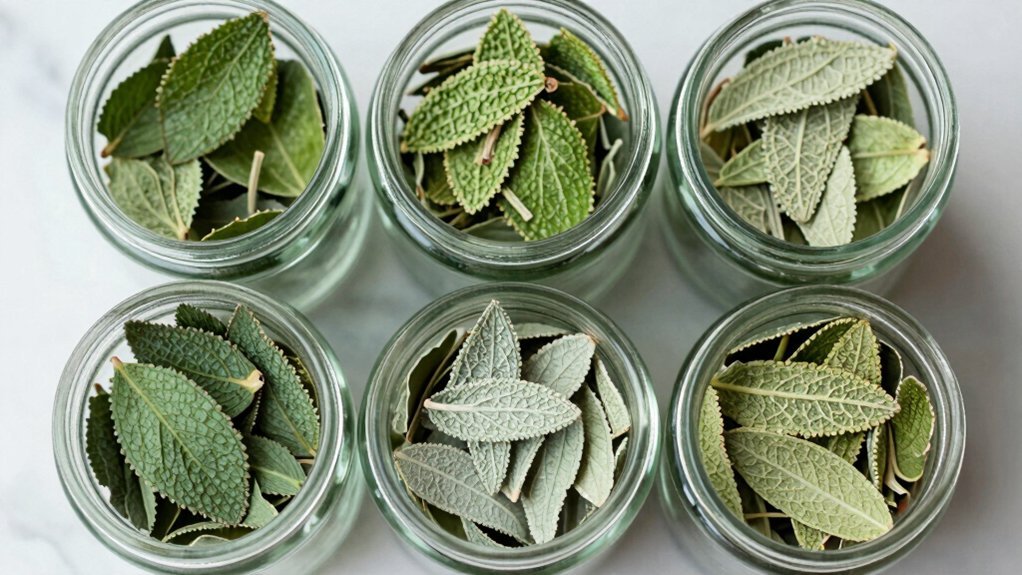
Sage Leaf Infusion
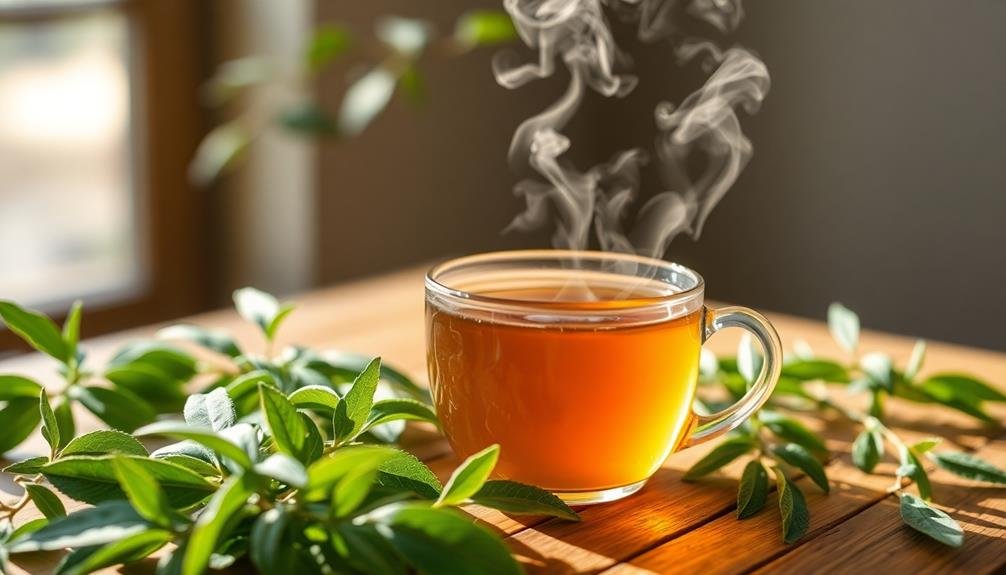
Steeping sage leaves in hot water creates a potent infusion that's known to help manage menopausal symptoms. This aromatic herb has been used for centuries to address hot flashes, night sweats, and mood swings.
To prepare a sage leaf infusion, you'll need dried sage leaves, hot water, and a teapot or infuser.
Here's how to make and use sage leaf infusion effectively:
- Add 1-2 teaspoons of dried sage leaves to your teapot or infuser.
- Pour 8 ounces of hot water (not boiling) over the leaves and steep for 5-10 minutes.
- Strain the infusion and drink it warm, up to three times daily.
Sage contains compounds that may help regulate estrogen levels and reduce the frequency and intensity of hot flashes.
It's also believed to have a cooling effect on the body, which can be particularly soothing during menopausal episodes.
However, it's essential to recognize that sage can interact with certain medications and may not be suitable for everyone.
Always consult your healthcare provider before incorporating sage leaf infusion or any new herbal remedy into your routine, especially if you have existing health conditions or are taking medications.
Chamomile and Lavender Relaxation Tea
You'll find chamomile and lavender tea to be a soothing blend that can ease anxiety and promote better sleep during menopause.
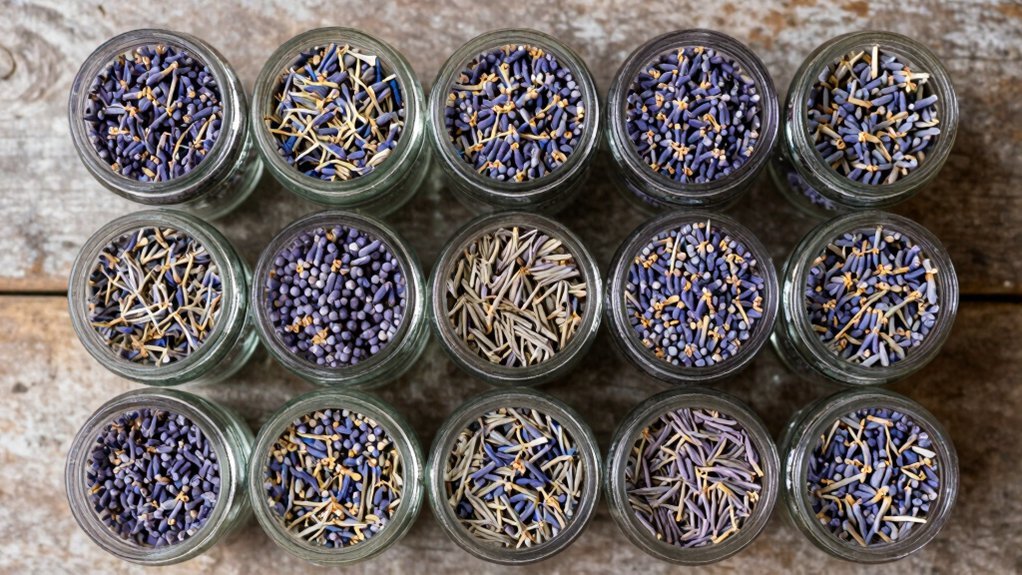
To prepare this calming infusion, steep one teaspoon each of dried chamomile flowers and lavender buds in hot water for 5-10 minutes, and enjoy 1-2 cups daily, especially before bedtime.
Incorporating this tea into your nighttime routine can help you unwind and establish a relaxing pre-sleep ritual.
Calming Blend Benefits
When menopausal symptoms disrupt your sleep and leave you feeling anxious, a calming blend of chamomile and lavender can provide much-needed relief. This powerful combination offers a range of benefits that can help ease your passage through menopause.
The synergy between chamomile and lavender creates a potent relaxation tea that tackles multiple symptoms:
- Sleep improvement: The blend promotes deeper, more restful sleep by reducing insomnia and night sweats.
- Stress reduction: It helps lower cortisol levels, easing tension and promoting a sense of calm.
- Mood stabilization: The herbs work together to balance hormones and alleviate mood swings.
You'll find that regular consumption of this tea can greatly reduce hot flashes and alleviate headaches.
The antioxidants in chamomile and lavender also support overall health, boosting your immune system and promoting cellular repair.
As an added bonus, this calming blend can improve digestion and reduce bloating, common issues during menopause.
Preparation and Dosage
Proper preparation and dosage are essential for maximizing the benefits of your chamomile and lavender relaxation tea. To brew the perfect cup, start with high-quality, organic dried herbs. Use 1 teaspoon of chamomile flowers and 1 teaspoon of lavender buds per cup of water. Steep the herbs in hot water (not boiling) for 5-7 minutes, then strain and enjoy.
For ideal results, drink this tea 1-2 times daily, preferably in the evening or before bedtime. You can adjust the strength by increasing or decreasing the steeping time. Remember, it's best to start with a lower dose and gradually increase as needed.
Here's a quick reference guide for preparation and dosage:
| Ingredient | Amount per Cup | Steeping Time | Daily Dosage | Best Time to Drink |
|---|---|---|---|---|
| Chamomile | 1 teaspoon | 5-7 minutes | 1-2 cups | Evening/Bedtime |
| Lavender | 1 teaspoon | 5-7 minutes | 1-2 cups | Evening/Bedtime |
If you're new to herbal teas, start with one cup daily and monitor your body's response. Always consult your healthcare provider before adding new herbal remedies to your routine, especially if you're taking medications or have existing health conditions.
Nighttime Ritual Tips
Creating a soothing nighttime ritual around your chamomile and lavender relaxation tea can enhance its effectiveness for managing menopause symptoms. As you prepare for bed, set aside time to brew and enjoy your tea mindfully. Choose a quiet, comfortable space where you can relax without distractions.
To make the most of your nighttime tea ritual:
- Steep your tea for 5-7 minutes to extract the full benefits of the herbs. Use this time to practice deep breathing or gentle stretching exercises.
- Sip your tea slowly, savoring its aroma and warmth. Focus on the present moment and let go of any stress or worries from the day.
- After finishing your tea, engage in calming activities like reading, journaling, or light meditation for 15-20 minutes before sleep.
Ginseng Energy Booster
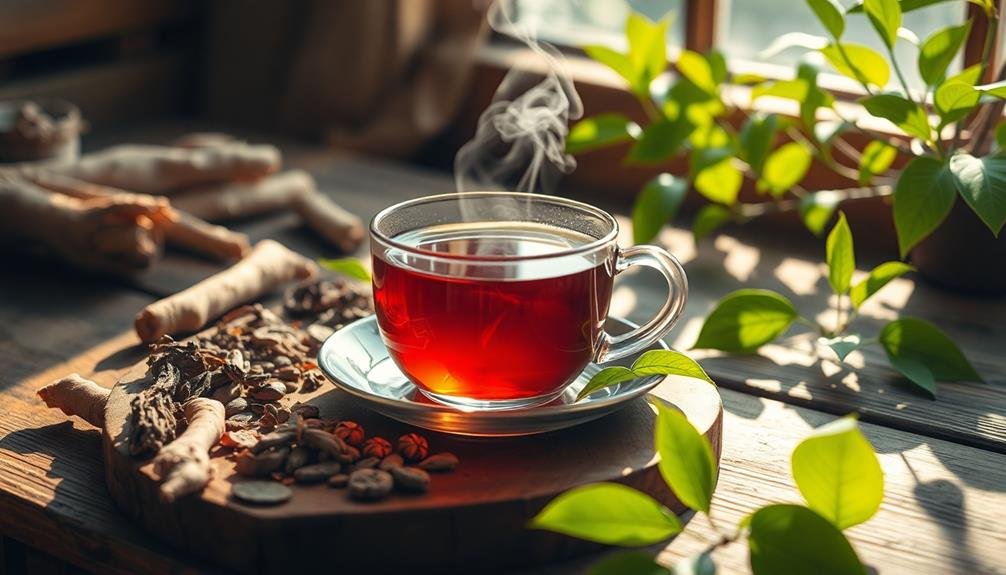
Many women experiencing menopause turn to ginseng as a natural energy booster. This adaptogenic herb has been used for centuries in traditional medicine to combat fatigue and improve overall wellness.
During menopause, when energy levels often dip due to hormonal changes, ginseng can provide a welcome lift without the jitters associated with caffeine.
You'll find two main types of ginseng: American and Asian. Both varieties can help alleviate menopausal symptoms, but Asian ginseng is particularly noted for its energizing properties.
To incorporate ginseng into your routine, try brewing a cup of ginseng tea in the morning or early afternoon. Steep a teaspoon of dried ginseng root in hot water for 5-10 minutes, then strain and enjoy.
It's important to note that while ginseng is generally safe, it can interact with certain medications and may not be suitable for everyone.
Start with a small amount and monitor how you feel. If you experience any adverse effects, discontinue use and consult your healthcare provider.
Valerian Root for Better Sleep
Sleep disturbances often plague women during menopause, but valerian root can offer a natural solution. This powerful herb has been used for centuries to promote relaxation and improve sleep quality. When brewed as a tea, valerian root can help you drift off more easily and enjoy a more restful night's sleep.
To experience the benefits of valerian root tea, follow these simple steps:
- Steep 1-2 teaspoons of dried valerian root in hot water for 10-15 minutes.
- Strain the tea and add honey or lemon to taste, if desired.
- Drink the tea 30-60 minutes before bedtime for ideal results.
You'll find that valerian root tea has a distinct earthy flavor that some may find strong. If you're sensitive to the taste, try blending it with chamomile or passionflower for a more palatable drink.
While valerian root is generally safe, it's best to start with a lower dose and gradually increase it as needed. Be aware that it may interact with certain medications, so consult your healthcare provider before adding it to your routine, especially if you're taking other sleep aids or sedatives.
Licorice Root Hormone Balance Tea
Licorice root tea offers a natural way to help balance hormones during menopause. This herbal remedy contains phytoestrogens, plant-based compounds that mimic estrogen in your body. As your estrogen levels decline during menopause, licorice root can help alleviate symptoms like hot flashes and mood swings.
To prepare licorice root tea, steep one teaspoon of dried root in hot water for 5-10 minutes. You can drink it up to three times daily, but don't exceed this amount as excessive consumption may lead to side effects. It's best to start with a lower dose and gradually increase it to assess your tolerance.
Be aware that licorice root can interact with certain medications and may not be suitable if you have high blood pressure, liver or kidney problems. It's essential to consult your healthcare provider before adding it to your routine, especially if you're on hormone replacement therapy or other medications.
While licorice root tea can be beneficial, it's not a one-size-fits-all solution. Combine it with a balanced diet, regular exercise, and stress-management techniques for best results in managing your menopause symptoms.
Lemon Balm Mood Enhancer
While licorice root tea focuses on hormone balance, lemon balm tea offers a different approach to managing menopause symptoms. This aromatic herb is renowned for its calming properties, making it an excellent choice for women experiencing mood swings and anxiety during menopause.
Lemon balm, scientifically known as Melissa officinalis, has been used for centuries to promote relaxation and improve mood. When you're dealing with menopause-related stress, here's how lemon balm tea can help:
- Reduces anxiety and promotes calmness
- Improves sleep quality and duration
- Enhances cognitive function and memory
You'll find that incorporating lemon balm tea into your daily routine can notably impact your overall well-being during menopause. It's easy to prepare – simply steep 1-2 teaspoons of dried lemon balm leaves in hot water for 5-10 minutes. For best results, drink 2-3 cups throughout the day.
While lemon balm tea is generally safe, it's always wise to consult your healthcare provider before adding any new herbal remedy to your regimen. This is especially important if you're taking medications or have existing health conditions.
Dong Quai Women's Tonic
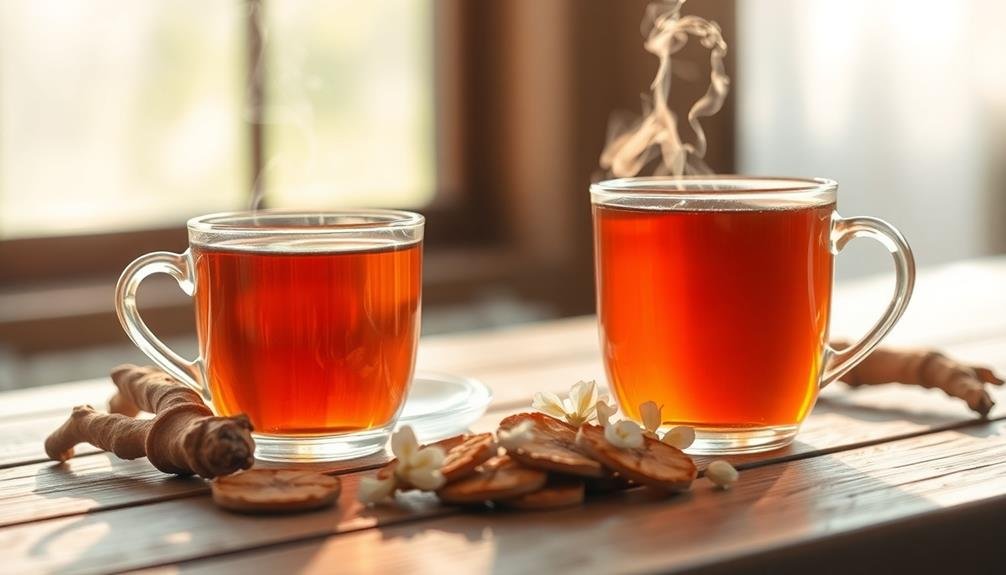
Known as the "female ginseng," Dong Quai has been a staple in Traditional Chinese Medicine for centuries. This powerful herb is renowned for its ability to balance hormones and alleviate various menopausal symptoms. When brewed as a tea, Dong Quai can help reduce hot flashes, night sweats, and mood swings.
You'll find that Dong Quai tea offers a range of benefits beyond symptom relief. It's rich in phytoestrogens, which can help compensate for declining estrogen levels during menopause. The herb also supports healthy circulation, potentially easing menstrual cramps and improving overall energy levels.
To prepare Dong Quai tea, steep 1-2 teaspoons of dried root in hot water for 10-15 minutes. You can drink it 1-3 times daily, but it's best to start with a lower dose and gradually increase as needed.
Be aware that Dong Quai may interact with certain medications, including blood thinners, so consult your healthcare provider before adding it to your routine.
While Dong Quai is generally safe, it's not recommended if you're pregnant, breastfeeding, or have hormone-sensitive conditions. As with any herbal remedy, moderation is key to reaping its benefits safely and effectively.
St. John's Wort for Anxiety
St. John's Wort has been used for centuries to treat mood disorders, and it's now gaining popularity as a natural remedy for menopausal anxiety. This yellow-flowered herb can help balance your mood and reduce stress during this changeable phase.
When brewed as a tea, St. John's Wort offers a mild, earthy flavor that's both soothing and invigorating.
To make the most of St. John's Wort tea for managing menopausal anxiety:
- Steep 1-2 teaspoons of dried St. John's Wort in hot water for 5-10 minutes.
- Drink 1-3 cups daily, preferably between meals.
- Continue use for at least 4-6 weeks to experience the full benefits.
It's important to note that St. John's Wort can interact with certain medications, including antidepressants and birth control pills. Always consult your healthcare provider before adding this herb to your routine, especially if you're taking other medications.
While St. John's Wort is generally safe for most people, some may experience side effects like skin sensitivity to sunlight, digestive upset, or headaches. If you notice any adverse reactions, discontinue use and consult your doctor.
Creating Your Custom Menopause Tea
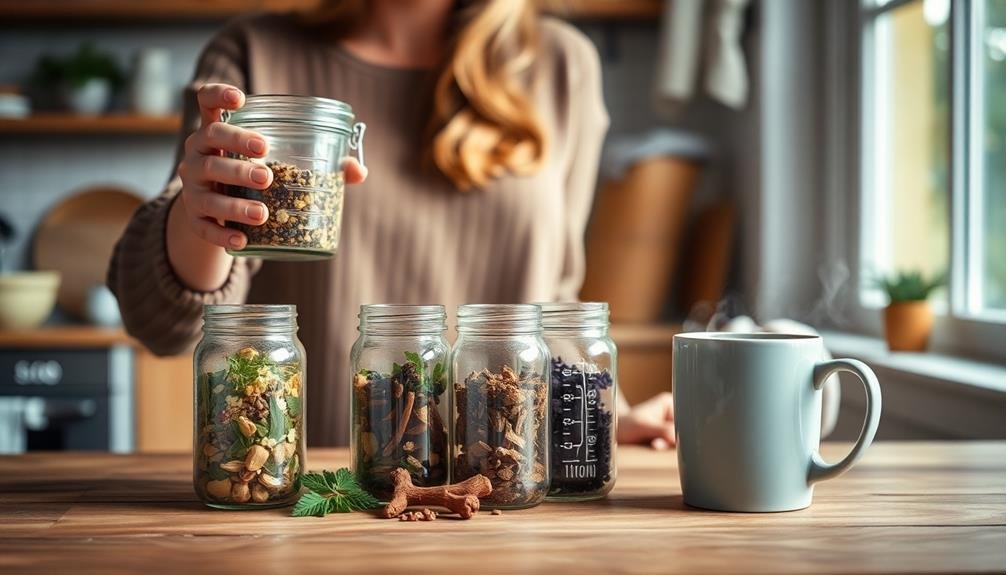
Crafting your own custom menopause tea blend allows you to address multiple symptoms simultaneously while catering to your personal taste preferences.
Start by selecting a base tea, such as green or chamomile, which both offer antioxidant properties. Then, add herbs that target your specific symptoms. For hot flashes, consider sage or black cohosh. To combat insomnia, try valerian root or lemon balm. For mood swings, incorporate St. John's Wort or lavender.
Experiment with proportions to find your ideal balance. A general rule is to use 1 teaspoon of dried herbs per cup of water. Steep your blend for 5-10 minutes, depending on desired strength.
Remember to consult your healthcare provider before adding new herbs to your routine, especially if you're taking medications.
To enhance flavor, add natural sweeteners like stevia or honey. Citrus peels or ginger can provide a zesty kick.
Store your custom blend in an airtight container away from light and moisture. Label it with ingredients and date for freshness.
Frequently Asked Questions
How Long Should I Steep Herbal Teas for Maximum Menopause Symptom Relief?
You'll want to steep your herbal teas for 5-10 minutes to maximize symptom relief. Don't oversteep, as it can make the tea bitter. Experiment with different times to find what works best for you.
Are There Any Potential Side Effects of Drinking Herbal Teas for Menopause?
You should be aware that herbal teas can have side effects. They might interact with medications, cause allergic reactions, or lead to stomach upset. It's best to consult your doctor before using them for menopause symptom relief.
Can I Combine Different Herbal Teas for Enhanced Menopause Symptom Relief?
Yes, you can combine different herbal teas for enhanced menopause relief. It's crucial to research each herb's effects and consult your healthcare provider before mixing teas. Start with small amounts to monitor how your body responds to the combinations.
How Soon Can I Expect to See Results From Drinking Herbal Teas?
You'll typically notice effects from herbal teas within 2-4 weeks of consistent use. However, individual results may vary. Some women report feeling changes sooner, while others might need more time. Be patient and maintain regular consumption.
Are Herbal Teas Safe to Drink Alongside Prescribed Menopause Medications?
You should always consult your doctor before combining herbal teas with prescribed medications. While many teas are safe, some can interact with your meds. It's best to get professional advice for your specific situation.
In Summary
You've now explored natural solutions for easing menopause symptoms through herbal teas. By incorporating these soothing brews into your daily routine, you're taking a proactive approach to managing hot flashes, mood swings, and other discomforts. Remember, while these teas can offer relief, it's important to consult your healthcare provider before making significant changes to your regimen. With patience and experimentation, you'll find the perfect blend to support your journey through this shifting phase of life.

Leave a Reply