

Crafting seasonal tea blends is a delightful way to explore flavors and create unique, personalized drinks. You'll need essential equipment like digital scales, airtight containers, and mixing tools to get started. Choose quality loose-leaf teas as your base and incorporate seasonal herbs and botanicals for distinctive flavors. Balance is key, so experiment with ratios to achieve harmonious blends. Proper measuring techniques and storage practices guarantee consistent results and maintain freshness. Don't forget to take into account health benefits when selecting ingredients, and get creative with packaging for a professional touch. By mastering these elements, you'll be well on your way to becoming a skilled tea artisan.
Essential Tea Blending Equipment

The right tools can make tea blending a breeze. To start your tea blending journey, you'll need a few essential pieces of equipment. First, invest in a set of digital kitchen scales to accurately measure your ingredients. Precision is key when crafting balanced blends.
Next, you'll want a variety of airtight containers to store your individual tea components and finished blends. Glass jars or tins work well, keeping your teas fresh and protected from light and moisture.
Don't forget about mixing bowls. Large, shallow bowls are ideal for combining ingredients without spilling. Pair these with wooden spoons or silicone spatulas for gentle mixing that won't damage delicate tea leaves.
A set of measuring spoons is vital for adding small amounts of herbs or spices to your blends. You'll also need a mortar and pestle for crushing larger ingredients like dried fruits or whole spices.
Selecting Quality Tea Bases
With your equipment ready, it's time to focus on the foundation of any great tea blend: high-quality tea bases. Choose loose-leaf teas over tea bags for superior flavor and blending potential. Look for teas from reputable sources, ensuring they're fresh and properly stored.
For black teas, consider Ceylon, Assam, or Keemun varieties. These provide robust flavors that hold up well to added ingredients.
Green teas like Sencha or Gunpowder offer grassy notes and pair nicely with fruity or floral elements. White teas, such as Silver Needle or White Peony, bring delicate flavors and are perfect for lighter blends.
When selecting herbal bases, opt for whole dried herbs rather than powders. Chamomile, peppermint, and rooibos are versatile options that complement many flavors.
Oolong teas, ranging from light to dark roasts, can add complexity to your blends.
Always smell and taste your tea bases before blending. This will help you understand their flavor profiles and how they'll interact with other ingredients.
Seasonal Herbs and Botanicals

Embrace the changing seasons by incorporating seasonal herbs and botanicals into your tea blends. Each season offers unique flavors and aromas that can elevate your custom teas.
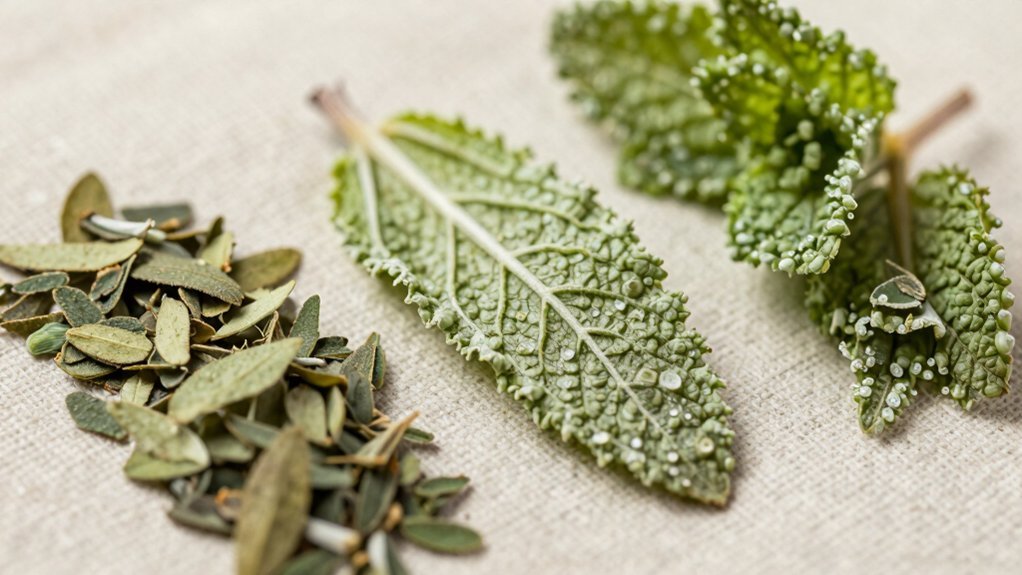
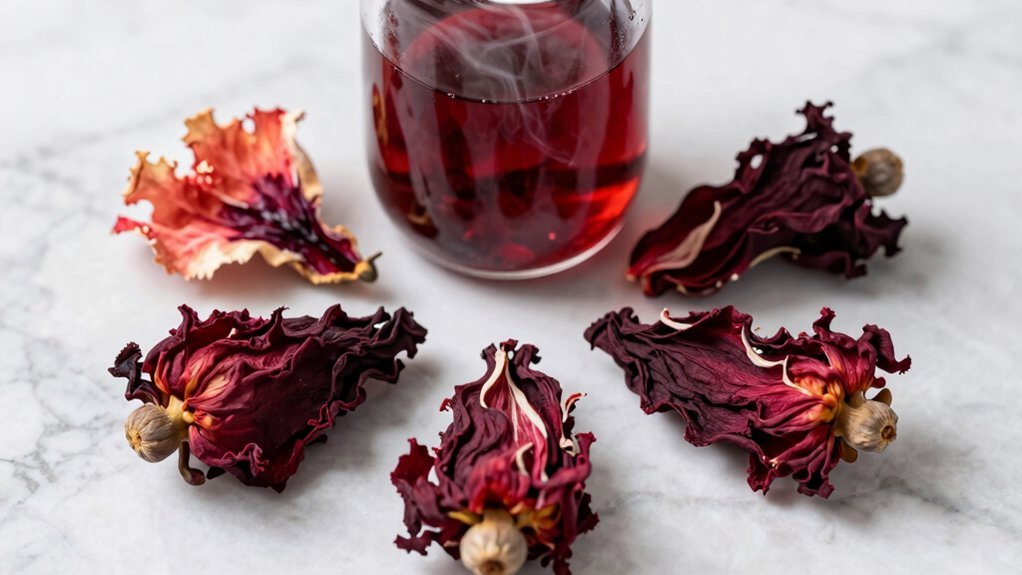
In spring, try adding fresh mint leaves, chamomile flowers, or elderflower for a light, invigorating taste. Summer calls for bright, fruity notes like hibiscus, lemongrass, or rose petals. As autumn arrives, warm spices like cinnamon, ginger, and cloves can create cozy blends. Winter is perfect for rich, comforting additions such as star anise, peppermint, or licorice root.
When selecting seasonal ingredients, consider their flavor profiles and how they'll complement your chosen tea base. Here are some tips to guide you:
- Choose fresh, high-quality herbs and botanicals for the best flavor
- Experiment with different ratios to find the perfect balance
- Consider the health benefits of each ingredient to create functional blends
Remember to properly dry any fresh ingredients before adding them to your tea mix. This will prevent mold and promote a longer shelf life for your seasonal blends.
Balancing Flavors and Aromas
Creating exceptional seasonal tea blends requires more than just combining ingredients; it's about achieving a harmonious balance of flavors and aromas. You'll need to take into account the strength, sweetness, bitterness, and complexity of each component to craft a well-rounded blend.
Start by identifying your base tea, which will provide the foundation for your blend. Then, layer complementary flavors that enhance the base without overpowering it.
Pay attention to the intensity of each ingredient. Strong flavors like cinnamon or peppermint can quickly dominate a blend, so use them sparingly. Subtle notes from ingredients like chamomile or lavender may need a heavier hand to shine through. Experiment with different ratios to find the perfect balance.
Don't forget about aroma! The scent of your tea is essential to the overall experience. Incorporate aromatic herbs and flowers to create an inviting fragrance that complements the taste.
Remember that some ingredients, like citrus peels or certain spices, contribute more to aroma than flavor.
Measuring and Blending Techniques

When creating seasonal tea blends, you'll need to master proper ratios to achieve balanced flavors.
You can start by using a digital scale to measure ingredients accurately, ensuring consistency in your blends.
Consider investing in specialized tea blending tools like mixing bowls, sieves, and airtight storage containers to streamline your process and maintain the quality of your custom blends.
Proper Ratios for Flavor
For exceptional seasonal tea blends, mastering the art of proper ratios is essential. Start with a base tea, typically comprising 60-70% of your blend. This forms the foundation of your flavor profile.
Next, add your primary flavoring ingredients, which should make up 20-30% of the mix. These components will define the blend's character.
Finally, incorporate accent ingredients for the remaining 5-10%, adding depth and complexity to your creation.
When crafting your blend, consider the strength of each ingredient. Potent elements like spices or strongly scented flowers should be used sparingly, while milder ingredients can be added more liberally.
Don't be afraid to experiment, but keep detailed notes of your ratios for future reference.
Remember these key points when balancing your blend:
- Start with small batches to fine-tune your recipe
- Taste-test frequently and adjust accordingly
- Allow your blend to "marry" for 24-48 hours before final assessment
Tools for Precise Blending
Three essential tools are crucial for precise tea blending: a digital scale, measuring spoons, and a large mixing bowl. A digital scale accurate to 0.1 grams guarantees you'll measure ingredients consistently, especially for smaller quantities. Measuring spoons are handy for quickly portioning out ingredients when precision to the gram isn't necessary.
To blend your teas, you'll need a large mixing bowl, preferably ceramic or glass, to combine ingredients without imparting flavors. Use a whisk or wooden spoon to gently mix the tea leaves and other components. For larger batches, consider investing in a tea blending machine, which can mix ingredients more uniformly.
When measuring, always use the same method for consistency. If you're using volume measurements, don't pack the ingredients tightly. For weight measurements, tare your scale between ingredients. Start with larger quantities and gradually add smaller amounts for better control.
To guarantee even distribution, layer your ingredients in the mixing bowl, starting with the base tea and alternating with herbs, flowers, and spices. Gently fold the mixture, being careful not to crush delicate leaves or petals.
Proper Storage of Tea Blends
To maintain the freshness and flavor of your seasonal tea blends, you'll need to store them properly.
Start by transferring your blends into airtight containers, which protect against moisture and odors.
Keep these containers in cool, dark places away from direct sunlight and heat sources, and always be aware of expiration dates to guarantee you're enjoying your teas at their peak quality.
Airtight Containers
Proper storage of your seasonal tea blends is essential for maintaining their flavor and freshness over time. Airtight containers are your best friends when it comes to preserving the quality of your custom blends. These containers prevent moisture, air, and light from degrading your tea, guaranteeing that it stays flavorful and aromatic for months.
When selecting airtight containers for your tea blends, opt for opaque or dark-colored materials. This extra layer of protection shields your tea from harmful UV rays that can break down its delicate compounds. Glass jars with tight-fitting lids, ceramic canisters with rubber seals, or specially designed tea tins are all excellent choices.
Here's what to look for in an ideal tea storage container:
- A tight seal that prevents air from entering
- Non-porous material that won't absorb odors
- Adequate size to accommodate your blend without too much empty space
Remember to label your containers with the blend name and date of creation. This practice helps you keep track of your inventory and guarantees you're using your oldest blends first.
Store your containers in a cool, dry place away from strong odors, heat sources, and direct sunlight to maximize the longevity of your seasonal tea blends.
Cool, Dark Places
While airtight containers provide essential protection for your tea blends, finding the right storage location is equally important.
Cool, dark places are ideal for preserving the flavor and quality of your seasonal tea creations. Heat, light, and moisture can quickly degrade the delicate components of your blends, so you'll want to avoid storing them near windows, stoves, or in humid areas.
Consider dedicating a specific cabinet or shelf in your pantry for your tea collection. If you don't have a pantry, a cool, dry closet or drawer away from heat sources can work well.
You'll want to keep your blends away from strong odors, as tea can easily absorb scents from its surroundings. Don't store your teas in the refrigerator or freezer, as the temperature fluctuations and moisture can harm the leaves.
If you live in a particularly warm or humid climate, you might want to invest in a tea storage box with a tight-fitting lid. This additional layer of protection can help maintain the perfect environment for your blends, ensuring they stay fresh and flavorful for months to come.
Expiration Date Awareness
Even with ideal storage conditions, your seasonal tea blends won't last forever. It's essential to be aware of expiration dates and signs of spoilage to guarantee you're enjoying your teas at their peak quality.
Generally, properly stored loose leaf teas can maintain their flavor for 6 to 12 months, while some may last up to 2 years.
To keep track of your tea's freshness:
- Label each blend with its creation date and estimated shelf life
- Regularly inspect your teas for signs of mold, unusual odors, or discoloration
- Rotate your stock, using older blends first to maintain freshness
Remember that different ingredients in your blends may have varying shelf lives. Dried fruits and flowers tend to lose their potency faster than tea leaves.
If you notice a decline in flavor or aroma, it's time to think about using the blend for other purposes, such as potpourri or compost.
Tea Tasting and Evaluation

For tea enthusiasts and casual drinkers alike, tea tasting and evaluation can be an exciting journey into the world of flavors and aromas. To master this art, you'll need to engage all your senses. Start by observing the dry leaves, noting their color, shape, and size. As you brew the tea, pay attention to the aroma that wafts from your cup.
When tasting, take small sips and let the tea coat your entire palate. Focus on the initial taste, body, and aftertaste. Consider the tea's flavor profile, which can range from floral and fruity to earthy and smoky. Don't forget to evaluate the tea's mouthfeel and overall balance.
| Aspect | Evaluation Criteria | Example Descriptors |
|---|---|---|
| Appearance | Color, clarity, texture | Golden, cloudy, velvety |
| Aroma | Intensity, notes | Malty, grassy, citrusy |
| Flavor | Taste, complexity | Sweet, bitter, umami |
| Mouthfeel | Body, astringency | Light, creamy, drying |
| Aftertaste | Lingering notes, finish | Long, clean, invigorating |
Creating Signature Seasonal Recipes
Creativity blossoms when you craft signature seasonal tea blends. Begin by selecting a base tea that complements your chosen season. For summer, contemplate light and invigorating green or white teas. Autumn calls for warming black teas or roasted oolongs.
Next, identify flavor profiles that evoke the season's essence. Incorporate herbs, spices, and dried fruits that align with your theme. Experiment with different ratios of ingredients to achieve a balanced blend. Start with small batches, adjusting proportions until you're satisfied with the taste and aroma.
Don't forget to reflect on the visual appeal of your blend, as the appearance can enhance the overall experience. When naming your creation, draw inspiration from the season and key ingredients. A catchy, descriptive name can make your blend more memorable and appealing to potential customers or guests.
Here are some seasonal blend ideas to spark your imagination:
- Summer Citrus Splash: Green tea, lemongrass, orange peel, and mint
- Autumn Harvest Spice: Black tea, cinnamon, cloves, and dried apple pieces
- Winter Wonderland: White tea, peppermint, vanilla, and snowflake-shaped sugar crystals
Remember to document your recipes and tasting notes for future reference and refinement.
Health Benefits of Herbal Teas

Beyond creating delightful flavors, herbal teas offer a wealth of health benefits. When you craft your seasonal blends, consider incorporating ingredients known for their medicinal properties.
Chamomile, for instance, can help reduce anxiety and promote better sleep. Peppermint tea aids digestion and relieves nausea, while ginger tea combats inflammation and boosts immunity.
For a warming winter blend, you might include cinnamon, which can help regulate blood sugar levels and improve heart health. Echinacea, often used in fall teas, may shorten the duration of colds and boost your immune system.
In spring, nettle tea can provide relief from allergies and hay fever symptoms. Summer blends benefit from the inclusion of hibiscus, which may lower blood pressure and support weight loss efforts. Lemon balm, another summer favorite, can improve mood and cognitive function.
Remember that while herbal teas offer numerous benefits, they're not a substitute for medical treatment. Always consult with a healthcare professional before using herbs medicinally, especially if you're pregnant, nursing, or taking medications.
Packaging and Presentation Tips
Packaging plays an essential role in presenting your seasonal tea blends attractively and preserving their quality. Choose airtight containers to keep your teas fresh and flavorful. Glass jars with tight-fitting lids or resealable metal tins are excellent options.
They'll protect your blends from moisture, light, and air, ensuring your teas maintain their aroma and taste.
Consider the aesthetics of your packaging. Create custom labels that reflect the season and ingredients of each blend. Use colors, fonts, and imagery that evoke the mood of the tea. For example, warm oranges and reds for autumn blends, or cool blues and whites for winter teas.
Don't forget to include brewing instructions and ingredient lists on your labels.
To enhance the presentation of your seasonal tea blends:
- Use ribbon or twine to tie small sprigs of dried herbs or flowers to the containers
- Package your teas in decorative boxes or bags for gifting
- Create a themed display using seasonal elements like pinecones, leaves, or seashells
Marketing Your Seasonal Blends

To effectively market your seasonal tea blends, you'll need a multi-faceted approach.
Start by showcasing your products on social media platforms, highlighting their unique flavors and seasonal appeal.
Next, guarantee your packaging and branding align with the season's theme, and consider organizing pop-up events to give customers a taste of your latest blends.
Social Media Showcase
How can you leverage social media to showcase your seasonal tea blends? Start by creating visually appealing content that highlights the unique characteristics of your teas. Use high-quality photos and videos to capture the colors, textures, and aromas of your blends.
Share behind-the-scenes glimpses of your blending process to engage your audience and build trust. Develop a consistent posting schedule across platforms like Instagram, Facebook, and Pinterest. Use relevant hashtags to increase visibility and reach potential customers interested in seasonal teas.
Encourage user-generated content by asking followers to share photos of their tea experiences with your blends. Engage with your audience by responding to comments and messages promptly. Host live Q&A sessions or virtual tea tastings to create interactive experiences.
Consider partnering with micro-influencers or tea enthusiasts to expand your reach and credibility.
Here are three ideas for engaging social media content:
- Create short, informative videos demonstrating brewing techniques for each blend
- Share seasonal recipes that pair well with your teas
- Post polls or quizzes to encourage audience participation and gather feedback
Packaging and Branding
The visual appeal of your seasonal tea blends extends beyond the product itself. Packaging and branding play significant roles in attracting customers and conveying your tea's unique qualities.
Start by designing eye-catching labels that reflect the season and ingredients of each blend. Use colors, fonts, and imagery that evoke the mood of the tea, whether it's a cozy winter chai or an invigorating summer iced tea.
Consider eco-friendly packaging options, such as biodegradable tea bags or reusable tins, to appeal to environmentally conscious consumers. Don't forget to include essential information on your packaging, like ingredients, steeping instructions, and your brand's story.
Create a cohesive brand identity across all your products and marketing materials. This includes your logo, color scheme, and overall aesthetic. Consistency will help customers recognize and remember your teas.
To stand out in the market, think about unique packaging shapes or materials that align with your brand's values. For example, you might use recycled paper for your tea boxes or incorporate seasonal elements into the packaging design.
Seasonal Pop-up Events
As the seasons change, hosting pop-up events offers an excellent opportunity to showcase your seasonal tea blends and engage with customers directly. Choose locations that align with your brand and attract your target audience, such as farmers' markets, craft fairs, or local festivals. Create an inviting atmosphere with themed decorations, sampling stations, and eye-catching displays of your seasonal blends.
During these events, offer interactive experiences to captivate attendees:
- Conduct mini tea-blending workshops
- Host guided tastings of your seasonal offerings
- Demonstrate proper brewing techniques for each blend
Encourage visitors to interact with your products by providing sensory experiences. Let them smell the individual ingredients, touch the loose tea leaves, and taste samples of your seasonal blends. Use this opportunity to share the stories behind your creations, explaining the inspiration for each blend and highlighting the unique flavors and benefits.
Consider collaborating with local businesses or artisans to create a more thorough experience. Partner with bakeries for tea pairing demonstrations or team up with local artists to showcase tea-inspired artwork.
These partnerships can help attract a wider audience and create a memorable event that resonates with potential customers.
Frequently Asked Questions
Can I Use Artificial Flavorings in My Tea Blends?
You can use artificial flavorings in your tea blends, but it's not recommended. They often lack the depth and authenticity of natural ingredients. Instead, try using dried fruits, herbs, and spices for more genuine flavors in your teas.
How Long Does It Take to Become Proficient in Tea Blending?
You'll find proficiency in tea blending varies. It can take months or years to master. Start by experimenting with simple blends, then gradually increase complexity. Keep practicing, tasting, and refining your skills. You'll improve with dedication.
Are There Any Certifications Available for Professional Tea Blenders?
Yes, you'll find certifications for professional tea blenders. You can pursue options like the Tea Association of Canada's Tea Sommelier Certification or the World Tea Academy's Certified Tea Blender program. These courses enhance your skills and credibility in the industry.
Can I Blend Teas From Different Regions or Countries Together?
You can blend teas from various regions or countries. It's a great way to create unique flavors and aromas. Don't be afraid to mix Chinese oolong with Indian Assam or Japanese sencha with Ceylon black tea.
What's the Best Way to Create Caffeine-Free Versions of Popular Blends?
To create caffeine-free versions of popular blends, you'll want to start with herbal bases like rooibos or honeybush. Then, add similar flavors and ingredients found in the original blend. You can use dried fruits, flowers, and spices to mimic the taste.
In Summary
You've now got the tools to craft unique seasonal tea blends. Remember, it's all about experimenting and finding what works for you. Don't be afraid to try new combinations and trust your taste buds. With practice, you'll create signature blends that reflect each season's essence. Share your creations with friends and family, or even consider selling them. The world of tea blending is yours to explore – so brew on!


Leave a Reply