

Packaging your own tea blends at home offers numerous benefits. You'll save money by buying ingredients in bulk and avoid paying for fancy packaging. You can create unique flavor profiles tailored to your taste preferences, ensuring you always have your perfect cup. You'll have complete control over ingredients, allowing you to avoid additives and prioritize quality. Home blending guarantees freshness, as you can make small batches and adjust as needed. It's also a fun, creative activity that can bring family and friends together. By exploring unique ingredients and experimenting with different combinations, you'll discover a whole new world of tea possibilities.
Cost-Effective Tea Blending
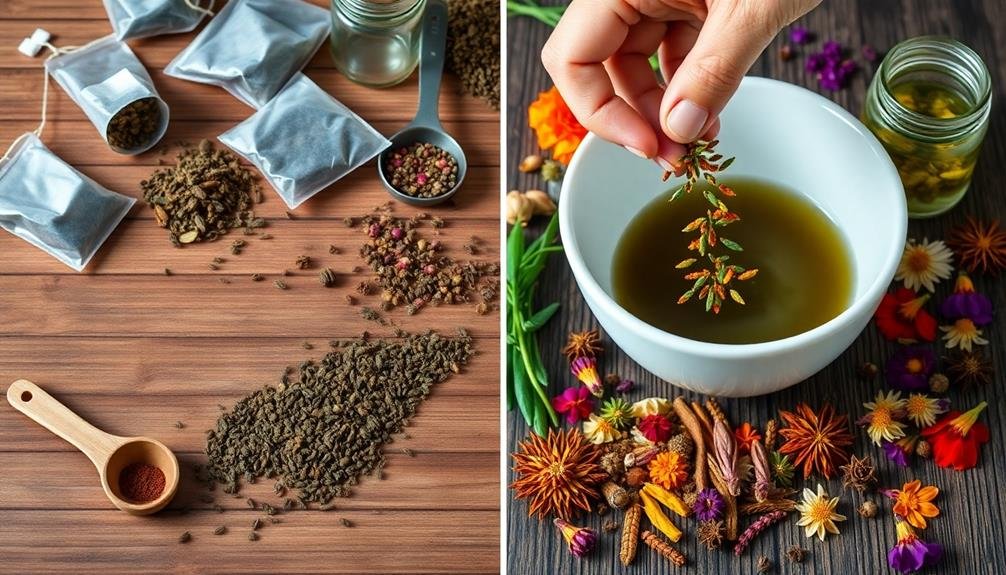
Blending your own tea at home isn't just a fun hobby; it's also a great way to save money. When you purchase pre-packaged tea blends, you're paying for the convenience, packaging, and marketing costs. By creating your own blends, you can markedly reduce these expenses.
Start by buying loose-leaf teas in bulk. This approach is often more cost-effective than purchasing small quantities or tea bags. You can find a wide variety of base teas, such as black, green, white, and oolong, at competitive prices from online retailers or local specialty stores.
Next, consider adding herbs, spices, and dried fruits to your blends. These ingredients are typically inexpensive when bought in bulk and can be used in multiple blends. Popular additions include lavender, rose petals, cinnamon, and dried berries.
Don't forget to invest in reusable tea bags or infusers. While there's an upfront cost, these tools will save you money in the long run compared to disposable options.
Customized Flavor Profiles
One of the most exciting aspects of creating your own tea blends is the ability to craft unique flavor profiles tailored to your taste preferences. You're not limited to pre-made blends on store shelves; instead, you can experiment with various combinations of herbs, fruits, and tea leaves to create your perfect cup.
When customizing your tea blends, consider the following flavor categories:
| Base | Accent | Enhancer |
|---|---|---|
| Black tea | Citrus peel | Vanilla bean |
| Green tea | Dried berries | Cinnamon stick |
| Rooibos | Lavender | Ginger root |
Start with a base tea and add accent flavors to create depth. Then, incorporate enhancers to round out the profile. You'll discover endless possibilities as you mix and match ingredients. Don't be afraid to try unconventional pairings – you might stumble upon a new favorite blend.
Remember to keep notes on your experiments, including ingredient ratios and steeping times. This will help you replicate successful blends and refine your recipes. As you become more experienced, you'll develop a keen sense for which flavors complement each other, allowing you to create sophisticated and balanced tea blends that suit your palate perfectly.
Quality Control
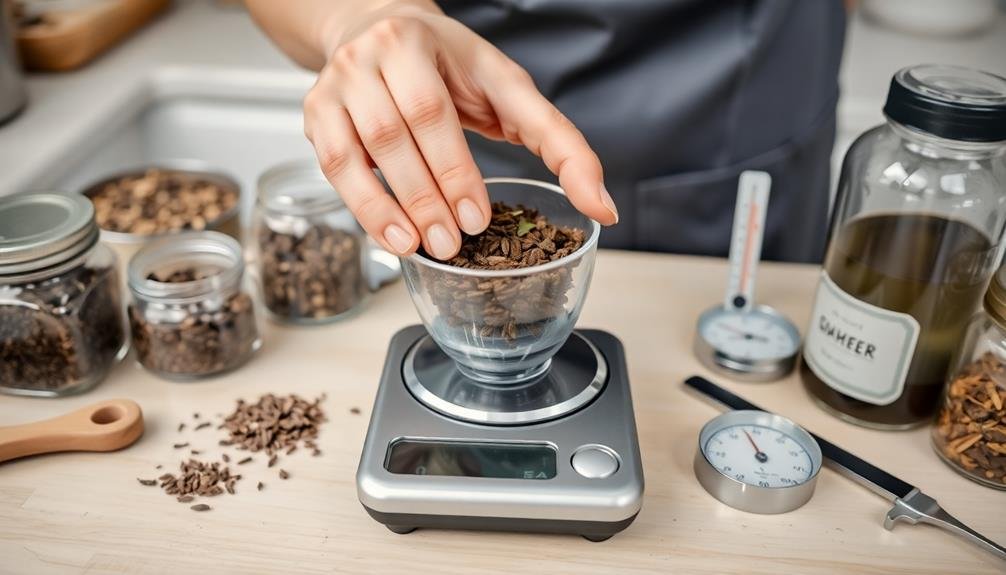
Quality control measures are essential when crafting homemade tea blends to guarantee consistency and safety. When you're packaging your own teas, you have complete control over the ingredients and their quality.
Start by sourcing your tea leaves and herbs from reputable suppliers to ascertain freshness and purity. Inspect each component carefully, discarding any that show signs of mold, discoloration, or unusual odors.
Maintain a clean workspace and use sanitized equipment to prevent contamination. Measure ingredients precisely to maintain consistent flavor profiles across batches.
Store your blends in airtight containers away from light, heat, and moisture to preserve their quality and extend shelf life. Label each blend with its contents and production date for easy tracking.
Regularly taste-test your creations to ascertain they meet your standards. Keep detailed records of your recipes and any adjustments you make. This allows you to replicate successful blends and refine your process over time.
Freshness Guaranteed
When you create your own tea blends, you'll guarantee maximum flavor retention by controlling the freshness of each ingredient.
You're in charge of selecting and combining high-quality components, allowing you to maintain ideal taste profiles.
Maximum Flavor Retention
Preserving the vibrant flavors of your homemade tea blends is essential for an exceptional brewing experience. When you package your own teas, you have complete control over the storage process, guaranteeing maximum flavor retention.
You'll want to store your blends in airtight containers, away from light, heat, and moisture. Choose opaque or dark-colored containers to protect your teas from harmful UV rays that can degrade their quality.
Consider using vacuum-sealed bags or containers with one-way valves to remove excess air, which can cause oxidation and flavor loss. If you're packaging loose leaf teas, avoid crushing the leaves, as this can release oils prematurely and diminish the overall flavor profile.
For delicate herbs and flowers, store them separately and mix them just before brewing to maintain their distinct aromas.
Label your packages with the blending date and recommended use-by timeframe. This practice helps you rotate your stock and guarantees you're always enjoying your teas at their peak flavor.
Control Over Ingredients
Along with preserving flavor, creating your own tea blends gives you unparalleled control over ingredient quality and freshness. You'll know exactly what's in your cup, avoiding unwanted additives or artificial flavors often found in commercial blends. By sourcing your own herbs, spices, and teas, you can guarantee each component meets your standards for quality and purity.
You'll also have the power to adjust proportions to suit your taste preferences. Want a stronger ginger kick or a more subtle hint of lavender? It's all in your hands. This control extends to the freshness of your ingredients. Store-bought blends may sit on shelves for months, losing potency and flavor. When you package your own, you can create small batches that maintain peak freshness.
For those with dietary restrictions or allergies, custom blending offers peace of mind. You can avoid potential allergens or ingredients that don't align with your dietary needs.
Additionally, you can experiment with unique combinations not available commercially, tailoring blends to your health goals or seasonal preferences. This level of customization guarantees that every cup of tea you brew is exactly what you want and need.
Optimal Storage Conditions
To maintain the quality of your homemade tea blends, proper storage is paramount. You'll want to keep your teas in airtight containers, away from light, heat, and moisture. Glass jars with tight-fitting lids or opaque tins work well for this purpose. Store your blends in a cool, dark place like a pantry or cupboard, avoiding areas near the stove or sink.
Temperature fluctuations can cause condensation, which may lead to mold growth. Aim for a consistent storage environment between 60-70°F (15-21°C). Don't refrigerate your teas, as they can absorb odors from other foods.
Here's a quick guide to ideal storage conditions:
| Factor | Ideal | Avoid |
|---|---|---|
| Light | Dark | Direct sunlight |
| Air | Airtight | Exposure to oxygen |
| Humidity | Low | Damp areas |
Explore Unique Ingredients

Countless unique ingredients can elevate your homemade tea blends beyond the ordinary. You'll find a world of flavors waiting to be explored, from exotic herbs to unexpected florals. Don't limit yourself to traditional tea leaves; instead, experiment with ingredients that'll surprise and delight your taste buds.
Consider these unconventional additions to your tea blends:
- Dried fruit peels like orange, lemon, or grapefruit for a citrusy kick
- Spices such as cardamom, star anise, or pink peppercorns for warmth and depth
- Edible flowers like lavender, chamomile, or rose petals for a delicate aroma
- Roasted nuts or seeds for a rich, earthy flavor profile
You can also incorporate local, seasonal ingredients to create unique blends that reflect your region and time of year.
Try foraging for wild herbs or sourcing from local farmers' markets. Don't be afraid to mix and match flavors that might seem unconventional at first. Some of the most interesting blends come from unexpected combinations.
Seasonal Blending Opportunities
Why limit yourself to the same tea blends year-round when nature offers a changing palette of flavors with each season?
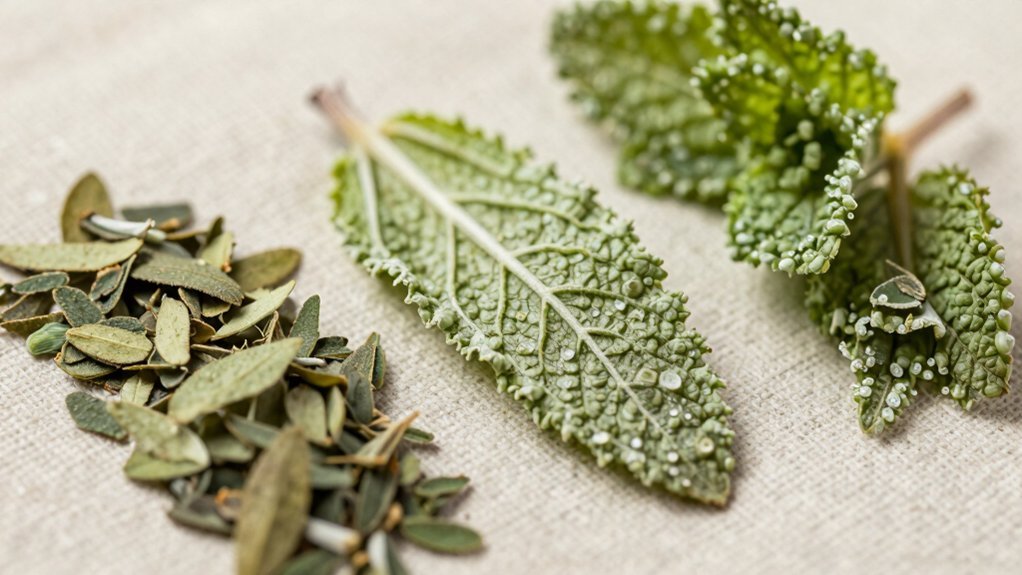
Seasonal blending allows you to create teas that perfectly complement the weather and available ingredients. In spring, incorporate fresh, floral notes like lavender, chamomile, or rose petals. Add a touch of mint or lemon balm for a revitalizing twist.
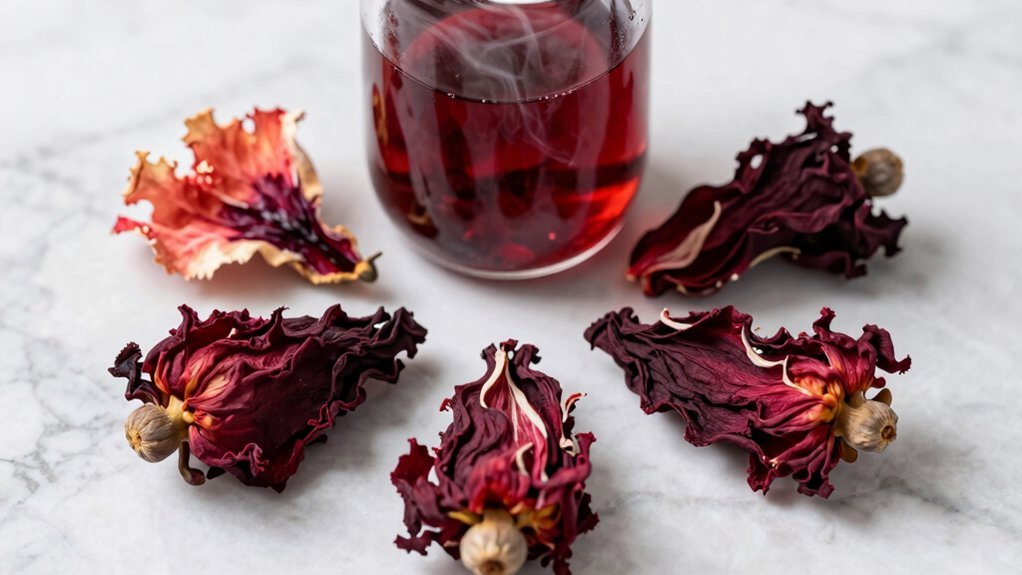
Summer calls for cooling blends. Experiment with hibiscus, lemongrass, and citrus peels for iced tea perfection. Don't forget to include some berries for a fruity punch.
As autumn arrives, shift towards warming spices like cinnamon, ginger, and cloves. Dried apple pieces and orange zest can add a cozy sweetness to your fall blends.
Winter is the time for rich, comforting teas. Try adding vanilla bean, star anise, or even a pinch of black pepper to your blends. Incorporate dried fruits like figs or dates for natural sweetness.
Gift-Giving Potential
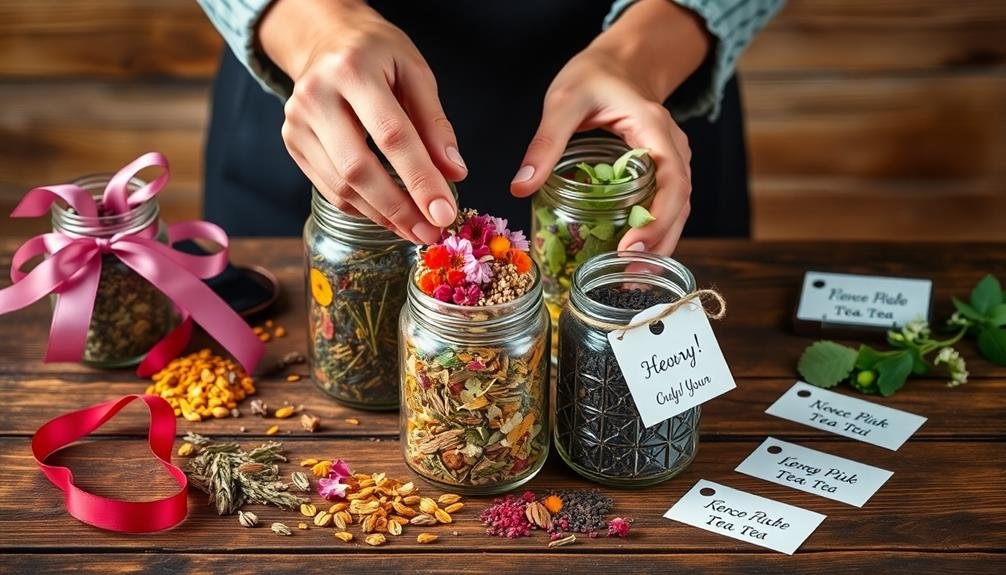
Elevate your gift-giving game with homemade tea blends. These personalized creations offer a unique and thoughtful present for various occasions. You'll impress friends, family, and colleagues with your creativity and attention to detail. Handcrafted tea blends show that you've put time and effort into creating something special just for them.
Consider packaging your tea blends in attractive tins, glass jars, or biodegradable sachets to enhance their appeal. Add custom labels with blend names, ingredients, and brewing instructions for a professional touch. You can even create themed gift sets for different recipients or occasions, such as a relaxation package or an energizing morning blend.
The gift-giving potential of homemade tea blends extends to various events:
- Birthdays
- Holidays
- Housewarming parties
- Thank-you gestures
Your recipients will appreciate the uniqueness of your gift and the opportunity to enjoy a custom-made tea experience. By sharing your passion for tea blending, you're not only giving a thoughtful present but also introducing others to the world of artisanal teas.
This can spark conversations and create lasting memories centered around your carefully crafted blends.
Eco-Friendly Packaging Options
Embracing eco-friendly packaging for your homemade tea blends aligns perfectly with the natural and sustainable essence of artisanal teas. You'll find numerous options that minimize environmental impact while preserving your tea's quality.
Consider reusable glass jars or tins for storing larger quantities. These containers are durable, airtight, and can be easily cleaned and refilled.
For individual servings, opt for biodegradable tea bags made from organic cotton, hemp, or cornstarch-based materials. These allow your tea to steep freely while decomposing naturally after use.
Paper packaging is another eco-friendly choice. Look for kraft paper bags or boxes made from recycled materials. These can be composted or recycled after use. To seal your packages, use water-activated paper tape instead of plastic-based options.
For gifting, try wooden boxes or bamboo canisters. These natural materials are renewable and biodegradable. You can also repurpose vintage tins or jars for a unique, eco-conscious presentation.
Don't forget to label your packages using soy-based inks or stamps on recycled paper. This guarantees every aspect of your packaging remains environmentally friendly while showcasing your tea blends beautifully.
Health-Conscious Blending
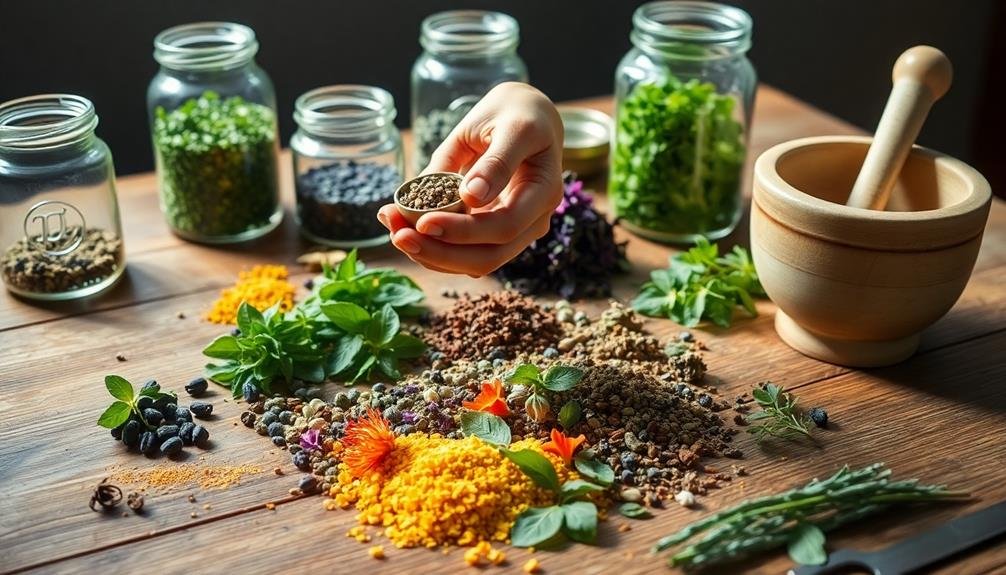
As you immerse yourself in health-conscious tea blending, it's crucial to understand the potential benefits and risks of various herbs and botanicals. Research each ingredient thoroughly, considering its effects on your body and any potential interactions with medications or health conditions.
By creating your own blends, you'll have complete control over what goes into your cup, allowing you to tailor your tea to your specific health needs and preferences.
When crafting health-conscious blends, focus on:
- Incorporating adaptogenic herbs to support stress management
- Balancing flavors with antioxidant-rich ingredients
- Using organic and pesticide-free herbs when possible
- Experimenting with caffeine-free options for evening consumption
Pay attention to proper ratios and steeping times to maximize the health benefits of your chosen ingredients.
Don't be afraid to consult with a healthcare professional or herbalist if you're unsure about certain combinations. Remember, while many herbs offer potential health benefits, some can be potent and should be used in moderation.
Creative Expression Through Tea
Tea blending opens up a world of creative possibilities, allowing you to express your unique tastes and personality through custom-crafted brews. You'll discover the joy of experimenting with different flavors, aromas, and textures to create your signature blends.
It's like being an artist, but instead of paints, you're using herbs, flowers, and spices. You can draw inspiration from your favorite memories, seasons, or moods. Create a blend that reminds you of a tropical vacation or captures the essence of a cozy winter evening.
You're not limited to traditional ingredients either; try incorporating unexpected elements like dried fruits, cocoa nibs, or even edible flowers. As you refine your blending skills, you'll develop a deeper appreciation for the nuances of different tea varieties.
You might find yourself naming your creations, designing custom labels, and sharing your unique blends with friends and family. It's a form of self-expression that engages multiple senses and can become a fulfilling hobby or even a small business venture.
Family Bonding Activity

Creating homemade tea blends can transform into a wonderful family bonding activity. It's a fun and engaging way to spend quality time together while exploring new flavors and learning about different herbs and botanicals.
You'll find that this shared experience can foster creativity, communication, and teamwork among family members of all ages.
As you commence on this tea-blending journey, you'll discover numerous benefits:
- Encourages collaboration and creativity
- Teaches children about herbs and their properties
- Provides a sensory experience through sight, smell, and taste
- Creates lasting memories and family traditions
You can turn tea blending into a regular family event, perhaps designating a specific day each month for experimentation.
Involve everyone in the process, from selecting ingredients to designing custom labels for your creations. Don't forget to taste-test your blends together and discuss the flavors you've crafted.
This activity also offers an opportunity to educate your children about the health benefits of various herbs and teas.
You'll be surprised at how quickly they become enthusiastic about trying new combinations and sharing their unique blends with friends and relatives.
Small Batch Experimentation
Try your hand at creating personalized flavor combinations by experimenting with small batches of tea blends.
You'll discover unique tastes tailored to your preferences without wasting large quantities of ingredients.
This low-risk approach allows you to explore your creativity and fine-tune your blends until you achieve the perfect cup.
Personalized Flavor Combinations
One of the most exciting aspects of crafting homemade tea blends is the opportunity to experiment with personalized flavor combinations.
You'll have the freedom to mix and match various ingredients to create unique tastes that suit your preferences. Start by selecting a base tea, such as black, green, or herbal, and then add complementary flavors to enhance its natural characteristics.
Consider these elements when creating your custom blends:
- Dried fruits for sweetness and tartness
- Herbs and spices for depth and complexity
- Flower petals for aroma and visual appeal
- Nuts or seeds for texture and richness
Don't be afraid to try unconventional pairings. You might discover a surprising combination that becomes your new favorite.
Keep a journal of your experiments, noting the ratios and ingredients used, as well as your impressions of each blend. This will help you refine your recipes over time.
Low-Risk Creative Exploration
Small batch experimentation allows for low-risk creative exploration in your tea blending journey. By creating tiny portions of new blends, you can test unique combinations without wasting large amounts of ingredients. This approach lets you push boundaries and discover unexpected flavor profiles that might become your new favorites.
Start by measuring small quantities of your base tea and additional ingredients. Mix them in different ratios, keeping detailed notes of each blend's composition. Brew a single cup of each mixture, evaluating the aroma, taste, and overall experience. This method enables you to quickly identify successful combinations and refine less appealing ones.
Don't be afraid to experiment with unconventional ingredients or unusual pairings. You might stumble upon a delightful blend that you'd never have considered in larger batches.
As you gain confidence, gradually increase your batch sizes for successful blends.
Frequently Asked Questions
What Equipment Is Necessary to Start Packaging Tea Blends at Home?
To start packaging tea blends at home, you'll need a scale, airtight containers, labels, a tea scoop, and packaging materials like bags or tins. Don't forget a notebook for recipes and a clean workspace for blending.
How Long Can Homemade Tea Blends Be Stored Before Losing Flavor?
You'll find your homemade tea blends can last up to a year when stored properly. Keep them in airtight containers away from light, heat, and moisture. However, for the best flavor, try to use them within 6 months.
Are There Any Safety Precautions to Consider When Blending Teas?
When blending teas, you'll want to guarantee cleanliness. Wash your hands, use sanitized equipment, and store blends in airtight containers. Be cautious with herb combinations, as some may interact negatively. Always research ingredients for potential allergies or side effects.
Can I Sell My Homemade Tea Blends Commercially?
You can sell your homemade tea blends commercially, but you'll need to follow local food safety regulations. Check with your health department, obtain necessary licenses, and guarantee your packaging and labeling meet legal requirements before selling your teas.
How Do I Properly Label My Homemade Tea Blends?
To properly label your homemade tea blends, you'll need to include the product name, ingredients list, net weight, and your contact information. Don't forget to add brewing instructions and any allergen warnings. Check local regulations for specific requirements.
In Summary
You've discovered the joy of crafting your own tea blends at home. It's cost-effective, allows for personalized flavors, and guarantees quality and freshness. You're free to experiment with unique ingredients, create health-conscious blends, and express your creativity. It's a fun family activity that lets you try small batches before committing. By packaging your own tea, you're not just making a beverage; you're creating an experience tailored to your tastes and preferences.


Leave a Reply