
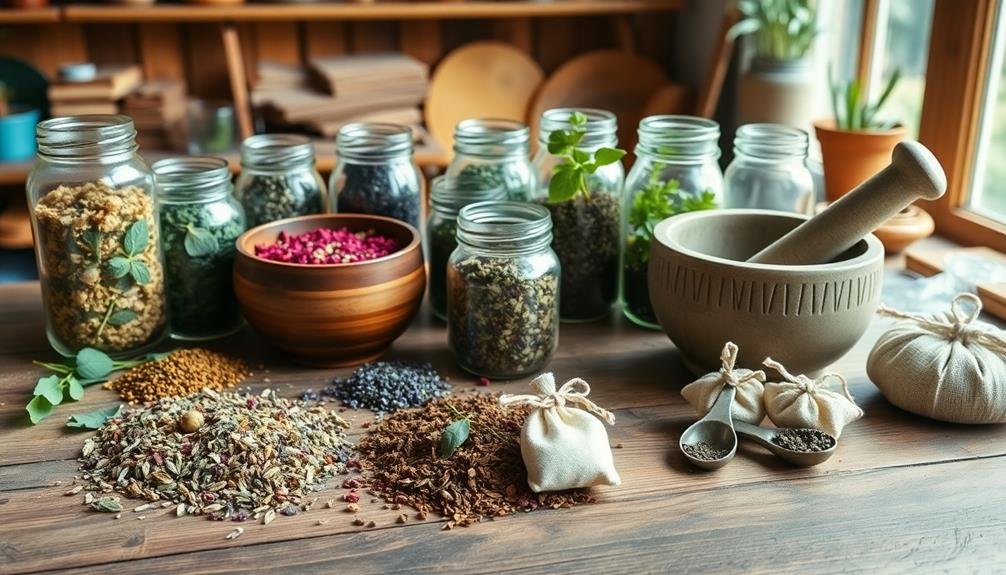
Tea blending workshops offer you a hands-on journey into the art of crafting personalized herbal infusions. You'll learn about various tea types, herbs, and spices while developing skills to balance flavors. These classes provide a creative outlet and stress relief, plus you'll leave with custom blends. To find local workshops, check tea shops, community centers, and social media platforms. Essential tools include digital scales, airtight containers, and non-reactive mixing bowls. You'll explore classic and unexpected pairings, understand flavor profiles, and gain knowledge about health considerations. Dive deeper to reveal the secrets of seasonal blending and advanced techniques.
Benefits of Tea Blending Workshops

Three key benefits make tea blending workshops an enriching experience.
First, you'll gain hands-on knowledge about various tea types, herbs, and spices. You'll learn to identify different flavors, aromas, and textures, developing a refined palate that'll enhance your tea-drinking experience. This newfound expertise will enable you to create unique blends tailored to your taste preferences.
Second, you'll discover the art of balancing flavors. You'll understand how different ingredients interact, complementing or contrasting each other to create harmonious blends. This skill isn't just applicable to tea; it'll improve your overall culinary abilities, allowing you to experiment with flavors in cooking and other beverages.
Lastly, tea blending workshops offer a creative outlet and stress-relief. You'll engage in a mindful activity that encourages experimentation and self-expression. The process of crafting your own blends can be meditative, helping you relax and unwind.
Plus, you'll leave with your own custom tea blends, perfect for gifting or enjoying yourself. These workshops often foster a sense of community, allowing you to connect with like-minded tea enthusiasts and share your creations.
Finding Local Tea Blending Classes
While finding local tea blending classes might seem challenging, there are several effective ways to discover these workshops in your area.
Start by checking your local tea shops, as many offer classes or can point you in the right direction. Don't forget to explore community centers, botanical gardens, and herbal stores, which often host tea-related events.
Social media platforms like Facebook and Instagram can be valuable resources. Search for tea-related hashtags or join local tea enthusiast groups to stay informed about upcoming workshops.
Online event platforms such as Eventbrite or Meetup frequently list tea blending classes in various locations.
Consider reaching out to local herbalists or tea sommeliers directly. They may offer private classes or know of upcoming events. Libraries and adult education centers sometimes feature tea workshops in their program schedules.
If you're still having trouble finding a class nearby, look into online options. Many tea experts offer virtual workshops that allow you to learn from home.
Essential Tools for Tea Blending

Once you've found a tea blending class or decided to start experimenting at home, you'll need the right tools to create your perfect blend.
Begin with a set of digital scales to measure ingredients accurately, ensuring consistency in your recipes. Invest in airtight storage containers to keep your tea components fresh and prevent cross-contamination of flavors.
You'll also need a variety of mixing bowls and spoons for combining ingredients. Opt for non-reactive materials like glass or stainless steel to preserve the tea's integrity. A mortar and pestle can be useful for grinding spices or herbs to release their flavors and aromas.
Don't forget about tea infusers or filters for testing your blends. Disposable tea bags or reusable muslin sachets work well for small batches.
A tea journal is essential for recording your recipes and tasting notes, helping you refine your blends over time.
Lastly, consider a tea tasting set with small cups to evaluate your creations properly. With these tools at your disposal, you'll be well-equipped to explore the art of tea blending and create unique, personalized blends that suit your taste preferences.
Common Herbs Used in Blends
Beyond traditional tea leaves, a variety of herbs can add depth, flavor, and aroma to your tea blends.
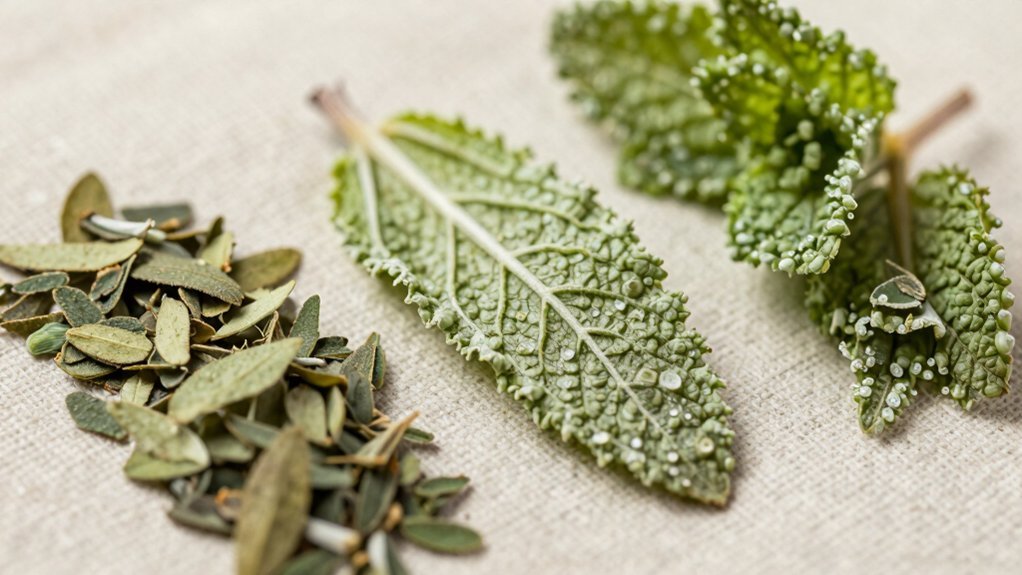
You'll often encounter chamomile, known for its calming properties and sweet, apple-like taste. Peppermint is another popular choice, offering a revitalizing coolness and aiding digestion. For a citrusy kick, consider lemongrass or lemon balm, both of which pair well with green teas.
Lavender can bring a floral note to your blend, while rosehip adds a tangy, fruity flavor rich in vitamin C. If you're looking for a spicy element, try ginger or cinnamon, which can warm up any blend and provide potential health benefits.
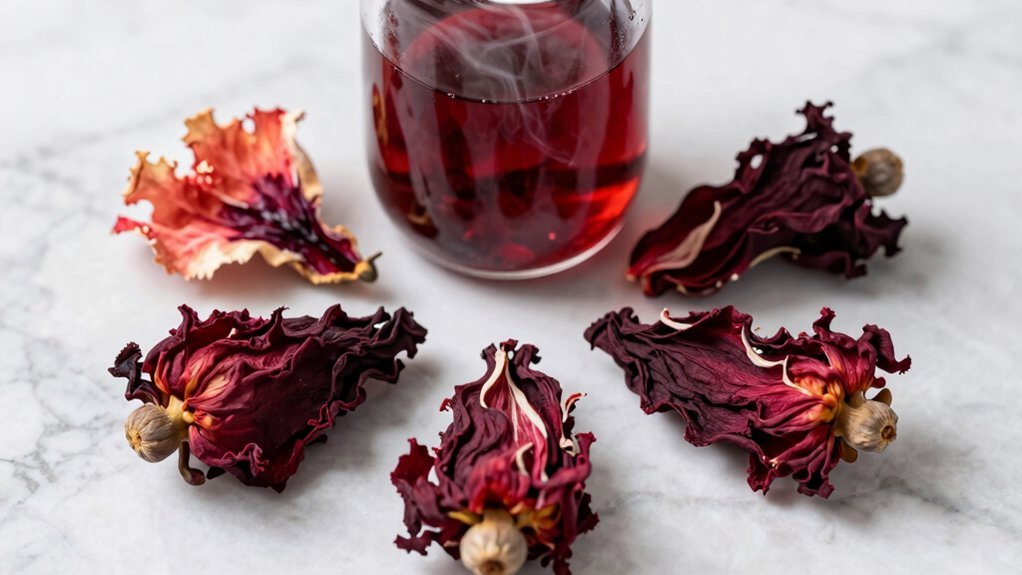
Hibiscus is prized for its tart flavor and vibrant red color, making it a visually appealing addition.
Don't overlook herbs like nettle, rich in minerals, or licorice root, which can add natural sweetness. Rooibos, technically not an herb but a South African shrub, is caffeine-free and offers a nutty flavor profile.
Experiment with these common herbs to create unique, personalized blends that cater to your taste preferences and desired effects.
Understanding Flavor Profiles and Combinations

You'll start your tea blending journey by understanding the key components: base teas, body teas, and accent teas.
As you experiment, you'll learn to balance taste elements like sweetness, bitterness, and astringency to create harmonious blends.
You'll also discover complementary herb pairings that enhance and elevate your tea creations, allowing you to craft unique and flavorful combinations.
Base, Body, Accent Teas
The art of tea blending revolves around understanding the interplay between base, body, and accent teas. Base teas form the foundation of your blend, typically making up 60-80% of the mixture. You'll often use mild, neutral teas like Ceylon or Keemun for this purpose. They provide a stable backdrop for other flavors to shine.
Body teas, comprising 20-40% of your blend, add depth and complexity. These might include bolder varieties like Assam or Yunnan, which contribute richness and strength to the overall flavor profile. They bridge the gap between the base and accent teas, creating a well-rounded taste experience.
Accent teas are the final touch, usually making up just 5-10% of the blend. You'll use these to add distinctive flavors, aromas, or visual appeal. Think of smoky Lapsang Souchong, fragrant jasmine, or colorful cornflower petals. These elements make your blend unique and memorable.
When crafting your tea blend, consider how these three components will interact. Experiment with different ratios and varieties to achieve the perfect balance of flavors, ensuring each sip is a harmonious experience.
Balancing Taste Elements
In light of understanding the roles of base, body, and accent teas, it's crucial to master the art of balancing taste elements in your blends. You'll need to take into account five primary taste sensations: sweet, sour, salty, bitter, and umami. Each ingredient you choose contributes to one or more of these tastes, and your goal is to create a harmonious flavor profile.
Start by identifying the dominant taste in your blend. If you're aiming for a sweet blend, you might use honeybush or licorice root as your base. For a more bitter profile, think about using green tea or dandelion root.
Next, add complementary flavors that enhance or balance the primary taste. For example, you could add a touch of lemon balm to brighten a sweet blend or incorporate chamomile to soften a bitter one.
Pay attention to the intensity of each ingredient. Some herbs, like peppermint or ginger, have strong flavors that can easily overpower others. Use these sparingly as accent notes.
Complementary Herb Pairings
Building on the concept of balancing taste elements, let's explore complementary herb pairings to create even more nuanced flavor profiles. Understanding which herbs work well together can elevate your tea blends from good to exceptional.
You'll learn to identify herbs that enhance each other's flavors, creating harmonious combinations that tantalize the taste buds. In these workshops, you'll discover classic pairings like chamomile and lavender for a soothing blend, or peppermint and lemon balm for an invigorating infusion.
You'll also experiment with unexpected combinations, pushing the boundaries of traditional tea blending. The instructors will guide you through the process of selecting herbs based on their flavor profiles, aroma, and potential health benefits.
Key aspects you'll explore include:
- Flavor families and how they interact
- Seasonal herb combinations
- Balancing intensity levels of different herbs
- Cultural influences on herb pairings
Health Considerations in Tea Blending
When blending teas, you'll need to take into account potential herb interactions and contraindications to guarantee safe consumption.
It's essential to be aware of common allergies and sensitivities that may affect your workshop participants.
You must also carefully reflect on dosage and strength, as some herbs can be potent even in small quantities.
Herb Interactions and Contraindications
Diving into the world of tea blending requires more than just a keen sense of flavor. You'll need to understand the potential interactions and contraindications of various herbs to guarantee your blends are safe and effective. Some herbs can interact with medications or exacerbate certain health conditions, so it's essential to research each ingredient thoroughly.
When creating your tea blends, consider these important factors:
- Herb-drug interactions
- Allergies and sensitivities
- Pregnancy and breastfeeding concerns
- Pre-existing health conditions
Always consult reliable sources or a healthcare professional when in doubt about an herb's safety. For instance, St. John's Wort can interfere with birth control pills, while licorice root may affect blood pressure.
Be cautious with potent herbs like comfrey or kava, which can cause liver damage if used improperly.
As you explore tea blending, you'll learn to balance flavor with safety. Start with well-known, gentle herbs and gradually expand your repertoire.
Keep detailed notes on your blends and any effects you experience. By prioritizing safety and educating yourself on herb interactions, you'll create delicious and beneficial tea blends that you can enjoy with confidence.
Allergies and Sensitivities
A sneeze during your tea-blending session could be more than just a reaction to dust. It's vital to be aware of potential allergies and sensitivities when working with various herbs and botanicals.
Some common allergens in tea blending include chamomile, which can trigger reactions in people allergic to ragweed, and licorice root, which may cause issues for those sensitive to legumes.
Before incorporating new ingredients into your blends, research their potential allergens and consult with a healthcare professional if you have known sensitivities.
Pay attention to any unusual reactions you experience while handling or consuming teas, such as itching, hives, or difficulty breathing. These could indicate an allergy or sensitivity.
Cross-contamination is another concern in tea blending. Always clean your equipment thoroughly between blends to prevent allergens from mixing with other ingredients.
If you're blending teas for others, it's important to disclose all ingredients and potential allergens on your labels. This transparency guarantees that people with known allergies can make informed decisions about consuming your blends.
Dosage and Strength Considerations
Beyond allergies and sensitivities, understanding dosage and strength is key in tea blending. When crafting your herbal concoctions, you'll need to take into account the potency of each ingredient and how they interact. Some herbs are more powerful than others, and their effects can vary based on the quantity used.
It's essential to research each component thoroughly and start with smaller amounts, gradually increasing as you become familiar with their properties.
Pay attention to these factors when evaluating dosage and strength:
- Recommended daily intake for each herb
- Potential side effects of overconsumption
- Interactions between different herbs in your blend
- The intended purpose of your tea (relaxation, energy, digestive aid, etc.)
Remember that steeping time and water temperature also affect the strength of your tea. Longer steeping times and hotter water can extract more compounds from the herbs, potentially increasing their potency.
As you experiment with different blends, keep detailed notes on your recipes and their effects. This will help you fine-tune your creations and guarantee consistent results.
Always err on the side of caution when working with new herbs or creating blends for others.
Seasonal Tea Blending Ideas

As the seasons change, so too can your tea blending preferences. Seasonal tea blending allows you to create unique flavors that complement the weather and mood of each time of year. You'll find that certain ingredients naturally align with specific seasons, enhancing your tea-drinking experience.
Consider these seasonal tea blending ideas:
| Season | Tea Base | Herbs | Flavors |
|---|---|---|---|
| Spring | Green tea | Mint, nettle | Floral, fresh |
| Summer | White tea | Hibiscus, lemongrass | Fruity, citrusy |
| Autumn | Black tea | Cinnamon, ginger | Spicy, warm |
| Winter | Rooibos | Elderberry, rose hips | Rich, comforting |
For spring blends, focus on light, invigorating flavors that capture the essence of new growth. In summer, create cooling blends with bright, fruity notes. As autumn approaches, incorporate warming spices and robust flavors. Winter blends should be comforting and rich, often featuring immune-boosting ingredients.
Don't be afraid to experiment with unexpected combinations. You might discover a summer blend that shifts perfectly into fall or a winter favorite that's invigorating year-round. Remember to adjust your blending ratios based on personal taste and the strength of individual ingredients.
Hands-On Techniques in Workshops
While learning about tea blending theory is valuable, hands-on experience is crucial for developing your skills. In workshops, you'll get to practice various techniques that'll elevate your blending game. You'll learn to measure ingredients accurately, mix them effectively, and create balanced flavors.
One of the key skills you'll develop is sensory evaluation. You'll train your palate to identify subtle taste differences and aromas, helping you make informed blending decisions. You'll also learn about proper storage methods to maintain the freshness and quality of your blends.
Workshops often cover these hands-on techniques:
- Using scales and measuring tools for precise ingredient ratios
- Proper mixing methods to guarantee even distribution of flavors
- Tasting techniques to evaluate and adjust blends
- Packaging and labeling your custom creations
As you practice these techniques, you'll gain confidence in your ability to create unique tea blends. You'll experiment with different ingredient combinations, learning how to balance flavors and create harmonious blends.
The hands-on experience you gain in workshops will be invaluable as you continue to explore the art of tea blending.
Creating Custom Tea Blend Recipes

When creating custom tea blend recipes, you'll need to master the art of balancing flavors and aromas.
You'll learn to combine different tea leaves, herbs, spices, and fruits to achieve harmonious and appealing taste profiles.
Sourcing quality ingredients is essential, as it directly impacts the overall flavor and health benefits of your unique tea blends.
Balancing Flavors and Aromas
Creating custom tea blends is an art that requires a delicate balance of flavors and aromas. You'll need to take into account the taste profiles of each ingredient and how they interact with one another. Start by identifying your base tea, which will provide the foundation for your blend. Then, add complementary herbs, spices, or fruits to enhance the flavor and aroma.
When balancing flavors, remember these key points:
- Strength: Ascertain no single ingredient overpowers the others
- Harmony: Aim for a cohesive taste that pleases the palate
- Complexity: Layer flavors to create depth and interest
- Aroma: Take into account how the blend smells, as it affects the overall experience
Experiment with different ratios of ingredients to find the perfect balance. You might start with a 70% base tea and 30% additional ingredients, adjusting as needed.
Pay attention to how flavors develop over multiple steepings, as some ingredients may release their flavors more slowly than others. Don't be afraid to try unexpected combinations – you might discover a unique blend that becomes your signature tea.
With practice and patience, you'll develop a keen sense for creating harmonious and aromatic tea blends.
Sourcing Quality Ingredients
To create exceptional tea blends, sourcing high-quality ingredients is essential. You'll want to start by identifying reputable suppliers who specialize in organic, fresh, and ethically sourced tea leaves and herbs. Look for vendors who can provide detailed information about their products' origins, harvesting methods, and processing techniques.
When selecting ingredients, prioritize whole leaf teas over broken leaves or dust, as they offer superior flavor and aroma. Pay attention to the appearance, smell, and texture of the leaves. Fresh, vibrant colors and strong, pleasant aromas are indicators of quality.
For herbs and spices, opt for those that are recently harvested and properly dried to maintain their potency.
Don't hesitate to experiment with unique ingredients like flower petals, fruit pieces, or exotic spices to add depth and complexity to your blends. However, make certain these elements complement rather than overpower the base tea.
Keep in mind that some ingredients may lose flavor more quickly than others, so consider shelf life when creating your recipes.
Storage and Packaging Tips
After crafting your perfect tea blend, proper storage and packaging are essential to maintain its freshness and flavor. Choose airtight containers made of non-reactive materials like glass or ceramic to prevent moisture and odors from affecting your tea.
Store your blends in a cool, dark place away from direct sunlight and strong aromas.
When packaging your tea for personal use or gifting, consider these tips:
- Use opaque or dark-colored containers to protect the tea from light exposure
- Label each blend with its name, ingredients, and blending date
- Include brewing instructions for ideal enjoyment
- Consider adding a small silica gel packet to absorb excess moisture
For long-term storage, vacuum-sealing your tea blends can help preserve their quality.
If you're planning to sell your creations, invest in professional-grade packaging materials that meet food safety standards. Heat-sealable bags with resealable zippers are a popular choice for retail sales.
Remember to handle your tea blends with clean, dry hands or utensils to prevent contamination.
Tea Blending for Specific Purposes

Tea blending isn't just about creating delicious flavors; it's also about crafting blends for specific purposes. In our workshops, you'll learn how to create teas for various needs, such as boosting energy, promoting relaxation, or supporting digestive health.
For energy blends, you'll discover how to combine black or green tea with invigorating herbs like ginseng, yerba mate, or peppermint.
If you're aiming for relaxation, you'll explore calming ingredients such as chamomile, lavender, and lemon balm.
You'll also learn to craft teas for specific health concerns. For digestive support, you might blend peppermint, ginger, and fennel. To boost immunity, you could combine echinacea, elderberry, and rosehips.
We'll teach you how to balance flavors while maximizing the benefits of each ingredient.
You'll understand how different herbs interact and complement each other, ensuring your blends are both effective and enjoyable.
Sourcing Quality Ingredients Locally
Discovering high-quality local ingredients is an essential aspect of our tea blending workshops.
We'll teach you how to source the best components for your unique blends right in your own community. You'll learn to identify reputable local suppliers, farmers' markets, and specialty shops that offer fresh, organic herbs and tea leaves.
We'll guide you through the process of evaluating ingredients for freshness, aroma, and overall quality.
You'll discover how to build relationships with local growers and artisans, ensuring a consistent supply of exceptional materials for your blends.
We'll also explore sustainable sourcing practices and the importance of supporting local businesses.
During the workshop, you'll gain hands-on experience in:
- Identifying and harvesting wild herbs in your area
- Cultivating your own tea garden at home
- Properly storing and preserving your ingredients
- Creating a network of local suppliers for hard-to-find components
Hosting Your Own Tea Blending Party

Once you've mastered the art of tea blending, it's time to share your newfound skills with friends and family. Hosting a tea blending party is an excellent way to showcase your expertise and create a fun, interactive experience for your guests.
Start by selecting a variety of base teas, herbs, spices, and dried fruits. Arrange these ingredients in separate bowls or jars, clearly labeled for easy identification. Set up individual blending stations with measuring spoons, empty tea bags, and small containers for each guest to create their custom blends.
Provide recipe cards and encourage experimentation, but also have a few tried-and-true combinations on hand for inspiration. Don't forget to include tools like mortar and pestle for grinding spices or a small scale for precise measurements.
As the host, offer guidance on flavor combinations and proportions. Explain the properties of different ingredients and how they interact. Encourage guests to name their creations and share tasting notes.
To enhance the experience, serve light refreshments that complement tea tasting. Consider pairing the blending activity with a tea ceremony or a brief presentation on tea history and culture.
You'll create lasting memories and inspire others to explore the world of tea blending.
Frequently Asked Questions
How Long Does a Typical Tea Blending Workshop Last?
You'll typically find tea blending workshops lasting between 2 to 4 hours. They're designed to give you enough time to learn the basics, experiment with different blends, and enjoy tasting your creations. It's a hands-on, immersive experience.
Can Children Participate in Tea Blending Workshops?
You'll find that many tea blending workshops welcome children, but it's best to check age restrictions. Some offer family-friendly sessions, while others are geared towards adults. Always inquire about safety measures for young participants.
Are There Advanced Courses for Experienced Tea Blenders?
Yes, you'll find advanced courses for experienced tea blenders. These classes often cover complex flavor profiles, rare ingredients, and advanced techniques. You'll learn to create unique blends and explore innovative brewing methods to enhance your expertise.
What Certifications Do Tea Blending Instructors Typically Hold?
You'll find tea blending instructors often hold certifications from tea associations or culinary institutes. They might have herbalist qualifications, food safety certifications, or specialized tea education. Some may be certified tea sommeliers or have industry-specific credentials.
How Much Does It Cost to Start a Small Tea Blending Business?
You'll need around $5,000-$10,000 to start a small tea blending business. This covers equipment, initial inventory, packaging, and basic marketing. Costs can vary depending on your location, scale, and specific business model. Don't forget licensing fees!
In Summary
You've learned the art of tea blending through local workshops. Now it's time to put your skills to use. Experiment with different herbs and flavors, create your own signature blends, and share them with friends and family. Don't forget to properly store your creations and continue exploring new ingredients. With practice, you'll become a master tea blender, crafting delicious and healthful brews tailored to your tastes and needs. Happy blending!


Leave a Reply