

Yarrow tea, made from the Achillea millefolium plant, offers a natural solution for digestive issues. You'll find it packed with flavonoids, alkaloids, and terpenes that can reduce inflammation, stimulate enzyme production, and alleviate bloating. This herbal remedy has been used for centuries, from ancient Greeks to Native Americans, for its healing properties. To enjoy its benefits, steep dried leaves and flowers in hot water for 5-10 minutes. You can drink 1-2 cups daily between meals, but start with lower doses and consult a healthcare provider if you have concerns. Discover how this age-old herb can revolutionize your digestive health and overall well-being.
What Is Yarrow Tea?

You might've heard of yarrow tea, but what exactly is it? Yarrow tea is an herbal infusion made from the leaves and flowers of the yarrow plant (Achillea millefolium). This perennial herb has been used for centuries in traditional medicine across various cultures.
Yarrow tea is known for its distinctive aroma and slightly bitter taste. It's typically prepared by steeping dried yarrow leaves and flowers in hot water for about 5-10 minutes. The resulting brew is a pale greenish-yellow liquid that's packed with beneficial compounds.
The tea contains a variety of active ingredients, including flavonoids, alkaloids, and terpenes. These compounds contribute to yarrow's potential health benefits, particularly its digestive properties.
You'll find that yarrow tea is often consumed to aid digestion, reduce inflammation, and support overall gut health.
While it's primarily known for its digestive benefits, yarrow tea has also been used traditionally for other purposes, such as easing menstrual cramps and promoting wound healing.
It's essential to acknowledge that while yarrow tea is generally considered safe, you should consult with a healthcare professional before incorporating it into your routine, especially if you're pregnant, nursing, or taking medications.
Historical Uses of Yarrow
How far back does yarrow's medicinal use stretch? Yarrow's history as a medicinal herb dates back thousands of years. Ancient Greeks used it to stop bleeding and heal wounds, giving it the nickname "herba militaris" for its battlefield applications.
Native Americans relied on yarrow for pain relief, fever reduction, and digestive issues. In traditional Chinese medicine, yarrow has been used for centuries to treat various ailments, including digestive disorders and menstrual problems.
European folklore associated yarrow with protection and divination, while herbalists used it as a "cure-all" for numerous health concerns. During the Middle Ages, yarrow was a common ingredient in medicinal concoctions and was believed to ward off evil spirits.
In the 17th century, English herbalist Nicholas Culpeper praised yarrow for its ability to stop internal bleeding and heal wounds.
You'll find yarrow's historical uses extend beyond medicine. It's been used in beer brewing, as a flavoring agent in some traditional foods, and even as a cosmetic ingredient.
Today, many of these historical applications continue to influence modern uses of yarrow in herbal medicine and natural remedies.
Yarrow's Digestive Benefits

Yarrow's reputation as a digestive aid has endured for centuries, and modern research is beginning to support its traditional uses. When you consume yarrow tea, you're tapping into a natural remedy that can help soothe various digestive issues.
One of yarrow's primary benefits is its ability to reduce inflammation in the digestive tract. This can help alleviate symptoms of conditions like gastritis and irritable bowel syndrome. The herb also stimulates the production of digestive enzymes, which can improve your body's ability to break down and absorb nutrients from food.
Yarrow tea can help relieve bloating and gas by promoting healthy digestion and reducing intestinal spasms. It's also known to have mild laxative properties, which can aid in relieving constipation. Additionally, yarrow's bitter compounds may stimulate appetite and increase bile production, further supporting digestive health.
If you're dealing with indigestion or stomach cramps, yarrow tea might offer relief. Its antispasmodic properties can help relax smooth muscles in the digestive system, potentially easing discomfort.
Remember to consult your healthcare provider before using yarrow tea regularly, especially if you have existing medical conditions or are taking medications.
Preparing Yarrow Tea
To prepare yarrow tea, you'll first need to harvest or source fresh yarrow leaves and flowers.
When steeping, use about 1-2 teaspoons of dried yarrow or 2-3 teaspoons of fresh yarrow per cup of boiling water.
Let the tea steep for 5-10 minutes, strain, and serve it hot or cold, optionally sweetening with honey or lemon to taste.
Harvesting Fresh Yarrow
Summer is the ideal time to harvest fresh yarrow for your homemade tea. You'll find this versatile herb growing wild in meadows, fields, and along roadsides. Look for tall plants with feathery leaves and flat-topped clusters of tiny white or pink flowers.
To harvest yarrow, you'll need clean, sharp scissors or pruning shears. Cut the stems about 6 inches from the ground, selecting plants with vibrant foliage and open flowers. Avoid harvesting near roads or areas that may have been treated with pesticides.
Once you've gathered your yarrow, gently shake the stems to remove any insects. Rinse the plants briefly under cool water and pat them dry with a clean towel. You can use the fresh leaves and flowers immediately for tea, or dry them for future use.
To dry yarrow, tie small bundles of stems together and hang them upside down in a warm, dry, and well-ventilated area. After about a week, the leaves and flowers should be crisp to the touch. Strip them from the stems and store them in an airtight container away from light and moisture.
Steeping and Serving Techniques
With your freshly harvested or dried yarrow, you're ready to prepare a soothing cup of tea. To steep yarrow properly, use about 1-2 teaspoons of dried herb or 2-3 teaspoons of fresh leaves per cup of water. Boil water and pour it over the yarrow in a teapot or infuser. Let it steep for 5-10 minutes, depending on your desired strength.
For the best flavor and medicinal benefits, follow these tips:
- Use filtered water for a cleaner taste
- Don't over-steep, as it can make the tea bitter
- Strain the tea thoroughly to remove all plant material
- Add honey or lemon to taste, if desired
- Drink while hot for maximum digestive benefits
You can enjoy yarrow tea hot or iced, depending on your preference. For iced tea, steep the yarrow as usual, then chill in the refrigerator. Serve over ice for a revitalizing summer beverage.
Recommended Dosage

Determining the right dosage of yarrow tea is essential for ideal digestive benefits. Generally, you'll want to start with a lower dose and gradually increase it as needed. For most adults, 1-2 cups of yarrow tea per day is sufficient. It's best to drink it between meals to maximize its digestive effects.
Here's a quick reference guide for recommended dosages:
| Age Group | Daily Dosage | Frequency | Notes |
|---|---|---|---|
| Adults | 1-2 cups | 1-3 times | Start with 1 cup |
| Teens | 1 cup | 1-2 times | Consult a doctor |
| Children | 1/2 cup | 1-2 times | Only if prescribed |
| Elderly | 1 cup | 1-2 times | Monitor effects |
Potential Side Effects
While yarrow tea offers many digestive benefits, it's important to be aware of potential side effects. As with any herbal remedy, your body may react differently, and some individuals may experience adverse effects.
It's essential to consult with your healthcare provider before incorporating yarrow tea into your routine, especially if you're pregnant, nursing, or taking medications.
Be mindful of these possible side effects when consuming yarrow tea:
- Allergic reactions: If you're sensitive to plants in the Asteraceae family, you may experience itching, rash, or difficulty breathing.
- Increased photosensitivity: Yarrow can make your skin more sensitive to sunlight, increasing the risk of sunburn.
- Blood thinning: Yarrow may interfere with blood clotting, so avoid it if you're taking anticoagulants.
- Drowsiness: Some people report feeling sleepy after drinking yarrow tea.
- Digestive discomfort: In rare cases, you might experience stomach upset or nausea.
If you notice any of these symptoms, discontinue use immediately and seek medical advice.
Combining Yarrow With Other Herbs

When combining yarrow with other herbs, you'll discover exciting synergistic effects that can enhance its digestive benefits.
You might pair yarrow with peppermint or chamomile for a soothing blend that targets both digestion and relaxation.
Additionally, you can experiment with flavor-enhancing herbs like lemon balm or ginger to create a more palatable and aromatic tea experience.
Synergistic Herbal Combinations
Blending yarrow with other herbs can enhance its digestive benefits and create more potent remedies. When combined with complementary herbs, yarrow's effects are amplified, offering you a more thorough solution for digestive issues.
Here are some synergistic herbal combinations you can try:
- Peppermint and yarrow: This duo soothes stomach discomfort and reduces bloating.
- Ginger and yarrow: Together, they combat nausea and stimulate digestion.
- Chamomile and yarrow: This pairing calms the digestive system and eases tension.
- Fennel and yarrow: Combining these herbs helps relieve gas and indigestion.
- Licorice root and yarrow: This blend supports overall gut health and reduces inflammation.
When creating these blends, you'll want to use equal parts of each herb or adjust the ratios based on your specific needs.
Steep the mixture in hot water for 5-10 minutes, strain, and enjoy. Remember, while these combinations can be beneficial, it's crucial to start with small amounts and observe how your body responds.
If you're taking any medications or have existing health conditions, consult your healthcare provider before incorporating new herbal blends into your routine.
Flavor-Enhancing Herb Pairings
The kitchen alchemist in you might appreciate yarrow's versatility in flavor pairings. This herb's subtle bitterness and slight anise-like taste can be enhanced or balanced by combining it with other herbs. You'll find that these combinations not only improve the flavor profile of your tea but also potentially boost its digestive benefits.
Here are some flavor-enhancing herb pairings to try with yarrow:
| Herb | Flavor Profile | Digestive Benefit | Preparation Tip |
|---|---|---|---|
| Peppermint | Cool, invigorating | Reduces bloating | Use equal parts |
| Chamomile | Floral, soothing | Calms stomach discomfort | Add a pinch of honey |
| Ginger | Warm, spicy | Aids nausea relief | Grate fresh ginger root |
| Lemon balm | Citrusy, bright | Eases indigestion | Crush leaves before adding |
When combining yarrow with these herbs, you'll create unique flavor profiles that cater to your taste preferences while potentially enhancing digestive benefits. Experiment with different ratios to find your perfect blend. Remember, steeping time may vary depending on the herbs used, so adjust accordingly to achieve the desired strength and flavor balance in your tea.
Yarrow Tea for Bloating
Renowned for its anti-inflammatory properties, yarrow tea can be a powerful ally in combating bloating. When you're feeling uncomfortably full or gassy, this herbal remedy may offer relief. Yarrow's active compounds help relax smooth muscles in your digestive tract, easing tension and reducing bloating.
To make the most of yarrow tea's bloating-busting benefits, try these tips:
- Brew a strong cup using 1-2 teaspoons of dried yarrow per 8 ounces of water
- Sip slowly and mindfully, allowing the tea's warmth to soothe your stomach
- Drink a cup before meals to prevent bloating or after eating to ease discomfort
- Combine yarrow with peppermint or ginger for enhanced digestive support
- Avoid sweeteners, as they can exacerbate bloating in some individuals
You'll find that regular consumption of yarrow tea can improve your overall digestive health.
It's not just about treating symptoms; yarrow tea supports your body's natural processes, promoting better nutrient absorption and reducing inflammation.
Improving Gut Health With Yarrow

You'll find that yarrow tea can greatly improve your gut health through its prebiotic properties.
These natural compounds feed beneficial gut bacteria, promoting a healthier digestive system overall.
Additionally, yarrow's anti-inflammatory effects can soothe your digestive tract, reducing discomfort and supporting ideal gut function.
Yarrow's Prebiotic Properties
Yarrow's delicate white flowers hide a powerful secret for gut health: prebiotic properties. These properties make yarrow tea an excellent choice for supporting your digestive system. Prebiotics are non-digestible fibers that feed the beneficial bacteria in your gut, promoting a healthy microbiome.
When you drink yarrow tea regularly, you're providing nourishment for your gut's good bacteria. This can lead to improved digestion, enhanced nutrient absorption, and a stronger immune system. The prebiotic effects of yarrow can help balance your gut flora, potentially reducing issues like bloating, gas, and irregular bowel movements.
Here's how yarrow's prebiotic properties can benefit your gut health:
- Stimulates growth of beneficial bacteria
- Enhances production of short-chain fatty acids
- Supports healthy intestinal pH levels
- Improves mineral absorption, especially calcium
- Helps regulate bowel movements
Anti-inflammatory Digestive Support
Beyond its prebiotic properties, yarrow tea offers powerful anti-inflammatory benefits for your digestive system. When you consume yarrow tea, you're introducing a natural remedy that can help soothe and protect your gut lining. The plant's active compounds, including flavonoids and sesquiterpene lactones, work to reduce inflammation throughout your digestive tract.
This anti-inflammatory action can provide relief from various gastrointestinal issues, such as bloating, cramping, and indigestion. If you suffer from conditions like irritable bowel syndrome (IBS) or inflammatory bowel disease (IBD), yarrow tea may help alleviate some of your symptoms. It's particularly effective in reducing intestinal spasms, which can ease discomfort and promote smoother digestion.
Moreover, yarrow's anti-inflammatory properties extend beyond just symptom relief. By reducing chronic inflammation in your gut, you're supporting overall digestive health and potentially preventing future issues. This can lead to improved nutrient absorption and a more balanced gut microbiome.
Regular consumption of yarrow tea may also help protect your stomach lining from damage caused by stress or certain medications, further supporting your digestive wellness.
Yarrow's Anti-inflammatory Properties
One of the most notable benefits of yarrow tea is its powerful anti-inflammatory properties. When you consume yarrow tea, you're introducing a natural anti-inflammatory agent into your digestive system. This can help reduce inflammation in your gut, which is often a root cause of many digestive issues.
Yarrow's anti-inflammatory effects are primarily due to its rich content of flavonoids and sesquiterpene lactones.
These compounds work together to:
- Inhibit the production of pro-inflammatory cytokines
- Reduce swelling in the digestive tract
- Soothe irritated intestinal lining
- Decrease oxidative stress in the gut
- Support overall digestive health
Growing Your Own Yarrow
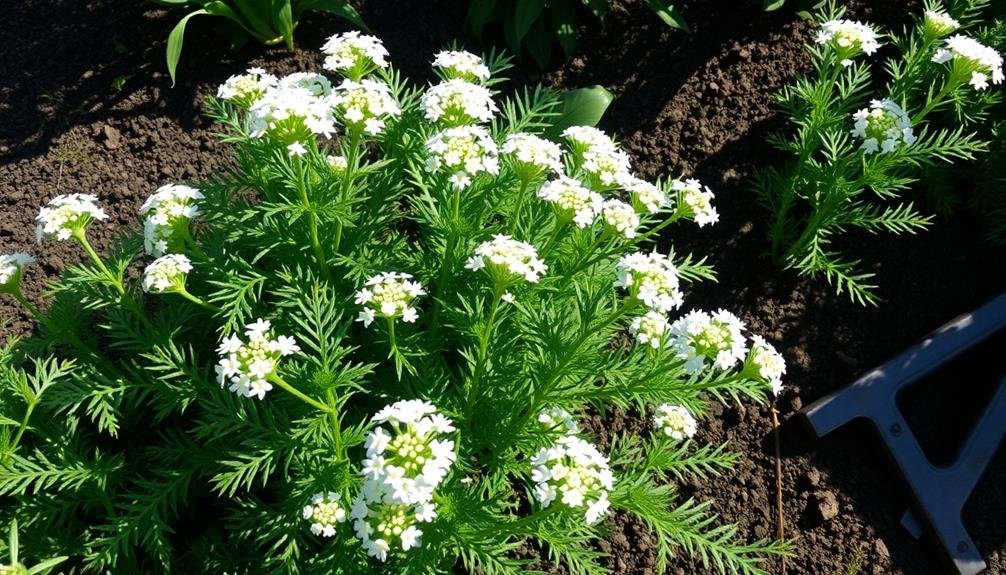
For those interested in cultivating their own supply of yarrow, growing this versatile herb at home is a rewarding endeavor. Yarrow is a hardy perennial that thrives in various conditions, making it an ideal choice for both novice and experienced gardeners.
To start, choose a sunny spot with well-draining soil. You can grow yarrow from seeds or transplants, but seeds are more cost-effective. Sow them directly in the garden in early spring or fall, pressing them lightly into the soil without covering them. Water regularly until the seeds germinate, which usually takes about two weeks.
Once established, yarrow is drought-tolerant and requires minimal care. It's best to water deeply but infrequently, allowing the soil to dry between waterings.
Fertilize sparingly, as too much nitrogen can lead to floppy growth. Prune the plants in late winter or early spring to promote bushier growth and remove any dead or damaged stems.
Harvest yarrow leaves and flowers when they're in full bloom, typically in mid to late summer. Cut stems near the base of the plant, leaving enough foliage for regrowth.
Dry the harvested yarrow for use in teas and other preparations.
Yarrow Tea Recipes
Now that you've grown your own yarrow, it's time to whip up some delicious and beneficial teas. Yarrow tea is easy to prepare and offers numerous digestive benefits. To make a basic yarrow tea, steep 1-2 teaspoons of dried yarrow flowers and leaves in a cup of hot water for 5-10 minutes. Strain and enjoy.
For a more flavorful experience, try these yarrow tea recipes:
- Yarrow and Peppermint Blend: Combine equal parts yarrow and peppermint for a revitalizing, digestive-boosting tea.
- Yarrow Lemon Zinger: Add a slice of lemon and a teaspoon of honey to your yarrow tea for a zesty twist.
- Yarrow and Chamomile Calm: Mix yarrow with chamomile for a soothing, stomach-settling brew.
- Yarrow Ginger Tonic: Grate fresh ginger into your yarrow tea for added digestive support.
- Yarrow Iced Tea: Brew a strong yarrow tea, let it cool, and serve over ice for a rejuvenating summer drink.
Remember to start with small amounts of yarrow tea and gradually increase your intake. Some people may experience mild side effects, so it's best to consult with a healthcare professional before making yarrow tea a regular part of your diet.
Where to Buy Yarrow Tea
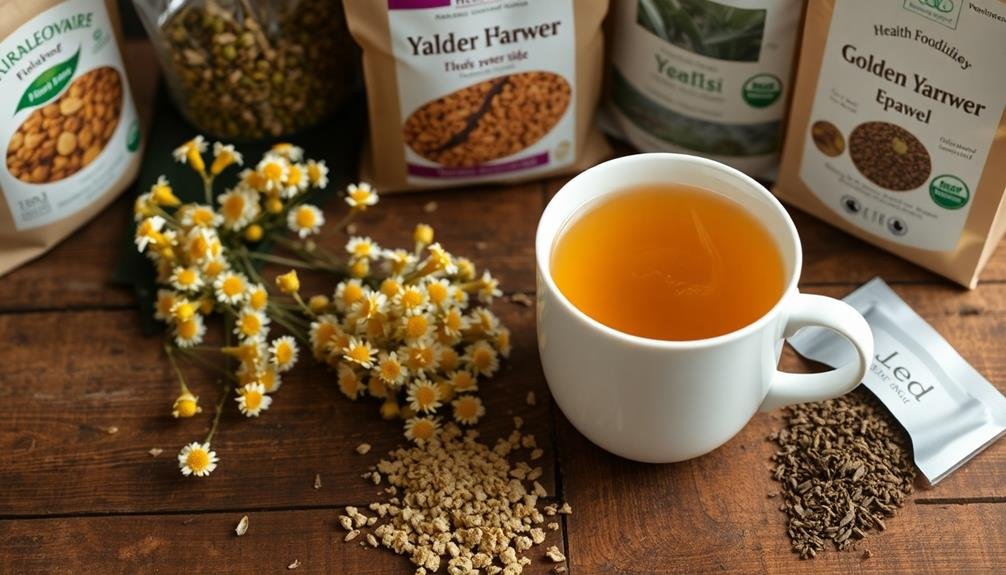
Finding yarrow tea doesn't have to be a challenge. You can purchase this herbal tea from various sources, both online and in physical stores. Many health food stores and specialty tea shops stock yarrow tea, often in loose-leaf form or tea bags. Check your local natural grocery stores or herb shops, as they're likely to carry this medicinal herb.
If you prefer shopping online, numerous e-commerce platforms offer yarrow tea. Popular websites like Amazon, iHerb, and Mountain Rose Herbs have a wide selection of yarrow tea products. You'll find options from different brands, allowing you to compare prices and read customer reviews before making a purchase.
For those who enjoy supporting small businesses, consider exploring local farmer's markets or herb farms. These venues often sell fresh or dried yarrow, which you can use to make your own tea. Additionally, some herbal apothecaries and wellness centers may carry yarrow tea or offer it as part of their product line.
When buying yarrow tea, look for organic options to guarantee you're getting a high-quality product free from pesticides. Always check the packaging for proper storage instructions and expiration dates to maintain the tea's freshness and potency.
Frequently Asked Questions
Can Pregnant or Breastfeeding Women Safely Consume Yarrow Tea?
You shouldn't drink yarrow tea if you're pregnant or breastfeeding. It can stimulate uterine contractions and may affect your baby. Always consult your healthcare provider before using any herbal remedies during these sensitive periods.
How Does Yarrow Tea Interact With Blood-Thinning Medications?
If you're taking blood-thinning medications, be cautious with yarrow tea. It can increase the effects of these drugs, potentially leading to excessive bleeding. You should always consult your doctor before combining yarrow tea with blood thinners.
Is Yarrow Tea Effective for Treating Menstrual Cramps?
You'll be pleased to know that yarrow tea can help with menstrual cramps. It's known for its anti-inflammatory and antispasmodic properties, which may ease uterine contractions. However, consult your doctor before using it as a treatment.
Can Yarrow Tea Help With Skin Conditions Like Eczema or Psoriasis?
While you're considering yarrow tea for skin conditions, it's essential to highlight that research is limited. Some people claim it helps with eczema and psoriasis due to its anti-inflammatory properties, but you should consult a doctor before use.
Does Yarrow Tea Have Any Caffeine Content?
You'll be pleased to know that yarrow tea is naturally caffeine-free. It won't give you a buzz or keep you up at night. You can enjoy it any time of day without worrying about caffeine-related side effects.
In Summary
You've now discovered the power of yarrow tea for digestive health. Whether you're brewing it at home or purchasing it, you'll find this natural remedy can soothe your stomach and reduce inflammation. Remember to start with small doses and consult your healthcare provider if you have concerns. By incorporating yarrow tea into your routine, you're tapping into centuries of herbal wisdom. Give it a try and experience the benefits for yourself!



Leave a Reply